


Mar . 31, 2026 01:55 Back to list
Exploring Flywheel Mechanical Energy Storage and its Future Applications
Understanding Flywheel Mechanical Energy Storage
In the quest for sustainable and efficient energy solutions, flywheel mechanical energy storage is gaining significant traction. This technology offers a compelling alternative to traditional battery storage systems, particularly for applications requiring rapid charge-discharge cycles and high power density. Unlike chemical batteries, flywheels store energy kinetically, offering long lifespans and minimal environmental impact. This article will explore the principles, advantages, applications, and future trends of flywheel energy storage, focusing on how ACDC BESS is contributing to advancements in this field.

How Flywheel Mechanical Energy Storage Works
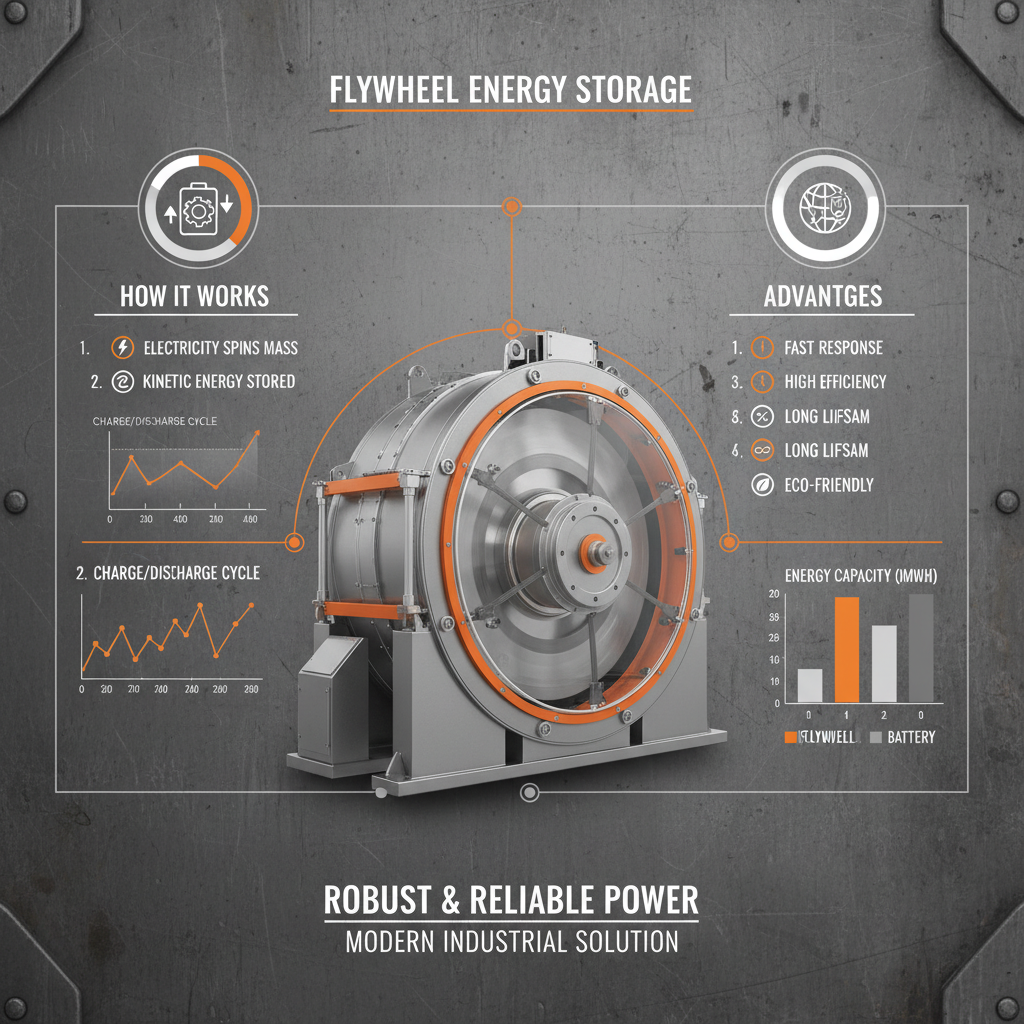
The core principle of flywheel energy storage is remarkably simple yet effective. A flywheel is a rotating mechanical device that stores energy as kinetic energy in a rotating rotor. To charge the system, electrical energy is used to spin the flywheel up to a very high speed. Conversely, when energy is needed, the flywheel’s rotational energy is converted back into electrical energy through a coupled generator. Crucially, the system operates in a near-vacuum environment to minimize air friction and energy loss. Modern flywheels often employ magnetic bearings to further reduce friction and wear, increasing efficiency and longevity.
Key Benefits: High cycle life, rapid response time, minimal environmental impact, and scalability.
Flywheel Energy Storage vs. Battery Storage: A Comparative Analysis
While both flywheel systems and batteries serve as energy storage solutions, they possess distinct characteristics. Batteries rely on chemical reactions to store and release energy, leading to degradation over time and limited cycle life. Flywheels, however, store energy mechanically, resulting in significantly longer lifespans and virtually unlimited cycle depths. Flywheels excel in applications demanding frequent and rapid charge-discharge cycles, whereas batteries often perform better in applications requiring sustained energy delivery. The table below highlights a detailed comparison.
Applications of Flywheel Mechanical Energy Storage
The unique characteristics of flywheel technology make it ideally suited for a variety of applications. These include frequency regulation in power grids, providing short-term power backup for critical infrastructure, and enhancing the efficiency of hybrid vehicles. In transportation, flywheels can capture regenerative braking energy, improving fuel economy. Moreover, they are becoming increasingly prevalent in microgrids and renewable energy systems to smooth out intermittent power generation. ACDC BESS focuses on integrating flywheels into advanced energy storage solutions for demanding applications.
The Role of ACDC BESS in Flywheel Innovation
ACDC BESS is at the forefront of developing innovative flywheel energy storage systems. Our focus is on maximizing efficiency, reliability, and scalability. We employ advanced materials and engineering techniques to create flywheels with higher energy density and longer lifespans. Furthermore, we integrate intelligent control systems to optimize performance and ensure seamless integration with existing energy infrastructure. We also are focused on improving the magnetic bearing technology to further reduce friction and improve overall lifespan and efficiency.
Future Trends and the Evolution of Flywheel Technology
The future of flywheel energy storage is incredibly promising. Ongoing research is focused on exploring new materials, such as carbon fiber composites, to increase energy density and reduce weight. Advancements in magnetic bearing technology will further minimize friction and enhance efficiency. We anticipate increased adoption of flywheel systems in conjunction with renewable energy sources and smart grid technologies. ACDC BESS is dedicated to driving these innovations and delivering cutting-edge energy storage solutions to meet the evolving needs of the global energy market.
Conclusion
Flywheel mechanical energy storage represents a significant leap forward in sustainable energy solutions. Its inherent advantages – long lifespan, rapid response, and minimal environmental impact – position it as a critical component of the future energy landscape. Companies like ACDC BESS are leading the charge in innovation, pushing the boundaries of this technology and making it accessible for a wider range of applications.
Frequently Asked Questions (FAQs)
What are the main advantages of flywheel energy storage over traditional batteries?
Flywheels offer several key advantages. Primarily, they boast an exceptionally long cycle life – practically unlimited – compared to batteries which degrade with each charge-discharge cycle. Furthermore, flywheels exhibit a much faster response time, delivering power in milliseconds, while batteries can take seconds or even minutes. Environmentally, flywheels are preferable as they don't rely on chemical reactions and therefore don't produce hazardous waste. However, batteries generally have a higher energy density, meaning they can store more energy for a given size and weight, making them suitable for applications where space and weight are critical. ACDC BESS carefully evaluates application requirements to determine the optimal storage solution.
How does the vacuum environment contribute to flywheel performance?
Maintaining a near-vacuum environment inside the flywheel housing is crucial for minimizing energy losses. Air friction would significantly slow down the rotor and reduce efficiency. By removing most of the air, the flywheel can spin at much higher speeds with minimal resistance, maximizing its energy storage capacity. This also reduces wear and tear on the rotating components, contributing to a longer lifespan.
What are the safety considerations associated with high-speed flywheels?
Safety is paramount in flywheel design and operation. High-speed flywheels store a substantial amount of kinetic energy, so containment is a critical concern. Modern flywheels are typically enclosed in robust containment housings designed to safely absorb energy in the event of a rotor failure. Magnetic bearings also play a vital role, eliminating the need for physical contact and reducing the risk of mechanical failure. ACDC BESS employs rigorous safety testing and adheres to stringent industry standards to ensure the reliability and safety of its flywheel systems.
Are flywheels a viable option for residential energy storage?
Currently, flywheels are less common for residential energy storage due to their relatively lower energy density compared to batteries. The size and weight requirements for storing a significant amount of energy for a household are often impractical. However, advancements in materials and design may make flywheels more competitive in the residential market in the future, particularly for applications requiring frequent power cycling, such as grid support services. For most residential applications, batteries remain the more cost-effective and practical solution at this time.
-
Cedar Point EV Charging Solutions for Sustainable Tourism Experience
NewsApr.16,2026
-
Guide to Cedar Point Charging Stations for EV Park Visitors
NewsApr.16,2026
-
Acorn Stairlift Charging Point Guide for Home Mobility Optimization
NewsApr.16,2026
-
Integrating a Wireless Charging Point into Modern Infrastructure
NewsApr.16,2026
-
How to Optimize Your iPhone 14 Charging Point for Efficiency
NewsApr.16,2026
-
Analyzing the Charging Point Share Price Trends and Market Outlook
NewsApr.09,2026