


Mar . 31, 2026 01:55 Back to list
Exploring Mechanical Energy Storage Technologies for a Sustainable Future
Mechanical Energy Storage Technologies: A Comprehensive Overview
The demand for efficient and reliable energy storage solutions is rapidly growing, driven by the increasing adoption of renewable energy sources and the need for grid stability. While electrochemical storage (like batteries) dominates headlines, mechanical energy storage technologies offer compelling alternatives with unique advantages. This article delves into the various methods of storing energy mechanically, examining their principles, applications, and future potential. Understanding these technologies is crucial for anyone involved in energy systems, grid modernization, or renewable energy integration. Explore the full range of energy storage solutions offered by ACDC BESS.
Understanding Mechanical Energy Storage Systems
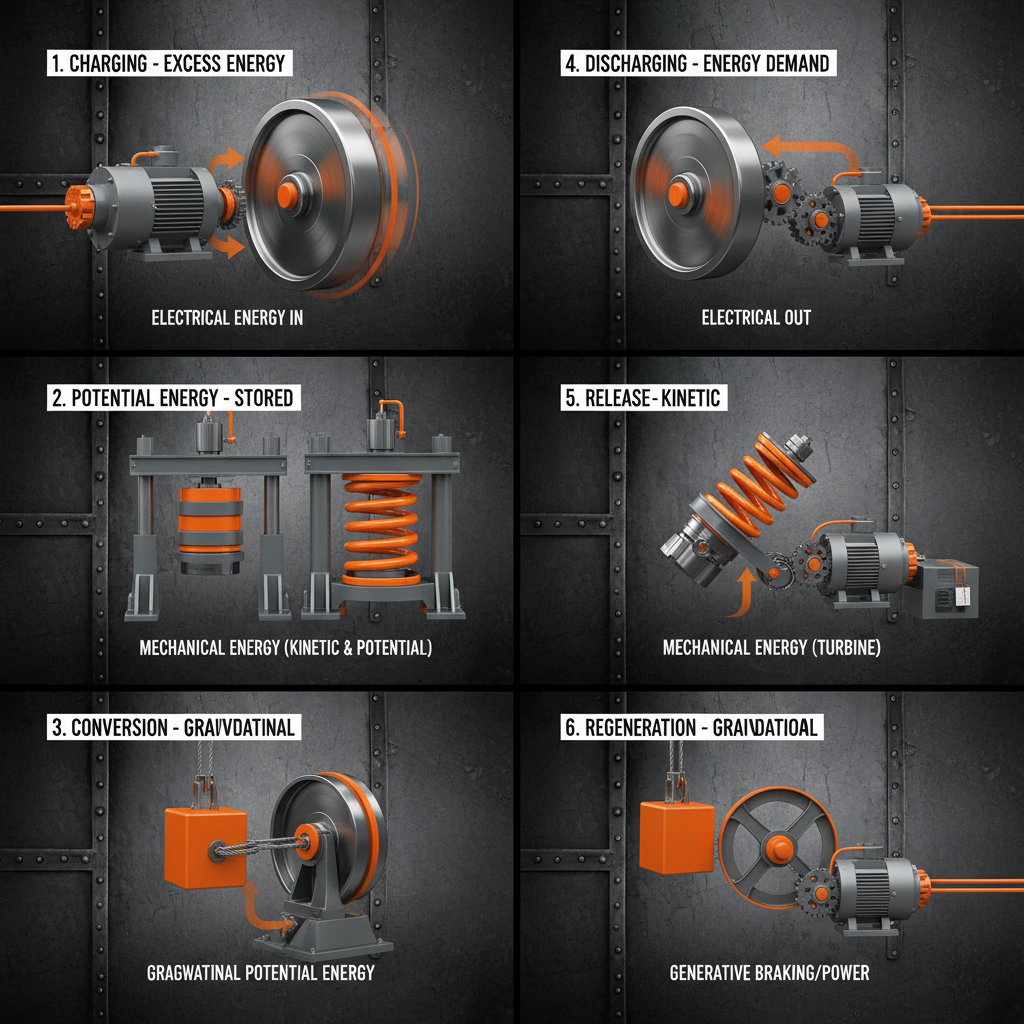
Mechanical energy storage encompasses several distinct methods, each leveraging different physical principles to store and release energy. These systems generally offer longer lifecycles and higher round-trip efficiencies compared to some chemical storage options. The core concept involves converting electrical energy into mechanical energy, storing it, and then reconverting it back to electricity when needed. Key advantages include scalability, longevity, and potentially lower costs. However, factors like energy density and response time can vary significantly depending on the specific technology.
Flywheel Energy Storage: Kinetic Power
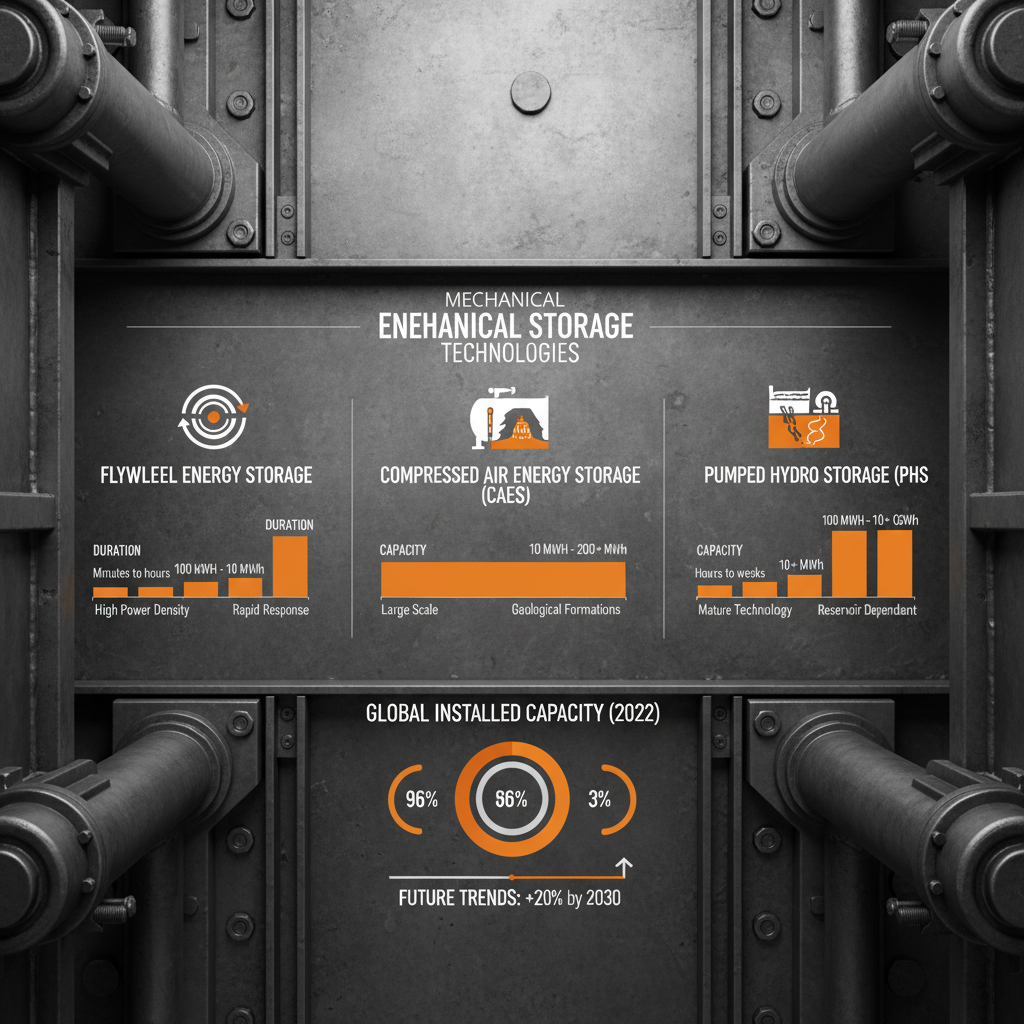
Flywheel energy storage utilizes a rotating mass (the flywheel) to store kinetic energy. Electrical energy is used to spin the flywheel up to high speeds, and when energy is required, the flywheel's rotational energy is converted back into electricity. Flywheels excel in applications requiring rapid response times and high power density, such as frequency regulation and power quality improvement. Modern flywheels often employ advanced materials like carbon fiber and operate in a vacuum to minimize energy losses due to air friction. ACDC BESS provides comprehensive solutions including flywheel integration for enhanced grid stability.
Key Benefits of Flywheel Energy Storage:
- High power density
- Fast response time
- Long lifespan
- Environmentally friendly
Pumped Hydro Storage: A Mature Technology
Pumped hydro storage (PHS) is the most established form of large-scale energy storage. It involves pumping water from a lower reservoir to a higher reservoir during periods of low demand or excess generation, and then releasing the water to generate electricity during peak demand. PHS offers significant storage capacity and relatively low costs, but its deployment is limited by geographical requirements (elevation differences and water availability). ACDC BESS can integrate PHS with advanced control systems to optimize performance.
Compressed Air Energy Storage (CAES): Harnessing Pneumatic Power
CAES stores energy by compressing air into underground caverns or tanks. When electricity is needed, the compressed air is released, heated (often using natural gas), and used to drive a turbine generator. CAES offers large-scale storage capacity, but its efficiency is often limited by the heating process. Advanced Adiabatic CAES (AA-CAES) technologies aim to improve efficiency by storing the heat generated during compression and reusing it during expansion.
Emerging Mechanical Energy Storage Technologies
Several innovative mechanical energy storage technologies are under development, including gravity energy storage (using raised weights) and liquid air energy storage (LAES). These technologies offer the potential for cost-effective and sustainable energy storage solutions, though they are still in relatively early stages of commercialization. ACDC BESS is actively monitoring these advancements and exploring potential integration opportunities.
The Future of Mechanical Energy Storage
Mechanical energy storage technologies are poised to play a crucial role in the future of energy systems. As renewable energy penetration increases, the need for flexible and reliable storage solutions will become even more critical. Continued innovation in materials science, system design, and control strategies will further enhance the performance and cost-effectiveness of these technologies. ACDC BESS is committed to providing cutting-edge energy storage solutions, including seamless integration of mechanical storage systems into hybrid energy solutions. Contact us today to learn more about how we can help you optimize your energy storage strategy.
Conclusion: A Diversified Approach to Energy Storage
Mechanical energy storage technologies offer a valuable complement to electrochemical storage, providing unique strengths in terms of longevity, scalability, and specific applications. By embracing a diversified approach to energy storage, we can build a more resilient, sustainable, and efficient energy future. ACDC BESS is dedicated to delivering innovative and integrated energy storage solutions to meet the evolving needs of the energy industry.
Frequently Asked Questions (FAQs)
What are the primary advantages of mechanical energy storage over battery storage?
Mechanical energy storage systems generally offer longer lifespans and higher cycle efficiencies compared to batteries. They are also less susceptible to degradation over time and can often operate in wider temperature ranges. While batteries currently have a higher energy density, mechanical storage often excels in applications requiring high power and rapid response times. Furthermore, many mechanical storage technologies utilize readily available and environmentally friendly materials, reducing reliance on rare earth minerals. ACDC BESS can help you evaluate which storage technology best fits your specific needs.
What are the geographical limitations of pumped hydro storage?
Pumped hydro storage requires specific topographical features, namely significant elevation differences between two water reservoirs. It also necessitates access to a reliable water source. This limits its deployment to areas with suitable natural landscapes. Furthermore, environmental concerns related to dam construction and water usage can pose challenges. However, closed-loop pumped hydro systems, which utilize off-river reservoirs, are gaining traction as a way to mitigate some of these environmental impacts.
How can Compressed Air Energy Storage be made more efficient?
Traditional CAES systems often require natural gas to heat the compressed air during expansion, reducing overall efficiency. Advanced Adiabatic CAES (AA-CAES) addresses this by storing the heat generated during compression and reusing it during expansion, significantly improving efficiency and reducing reliance on fossil fuels. Other strategies include optimizing cavern design and utilizing advanced turbine technologies. ACDC BESS collaborates with leading technology providers to offer highly efficient CAES solutions.
What is the current state of gravity energy storage development?
Gravity energy storage is an emerging technology that involves raising and lowering heavy weights to store and release energy. Several pilot projects are underway globally, demonstrating the feasibility of the concept. While still in the early stages of commercialization, gravity storage offers potential advantages in terms of cost-effectiveness and scalability. Key challenges include optimizing the lifting mechanism and identifying suitable sites for large-scale deployment. ACDC BESS closely follows these developments to offer our clients the latest energy storage innovations.
-
Cedar Point EV Charging Solutions for Sustainable Tourism Experience
NewsApr.16,2026
-
Guide to Cedar Point Charging Stations for EV Park Visitors
NewsApr.16,2026
-
Acorn Stairlift Charging Point Guide for Home Mobility Optimization
NewsApr.16,2026
-
Integrating a Wireless Charging Point into Modern Infrastructure
NewsApr.16,2026
-
How to Optimize Your iPhone 14 Charging Point for Efficiency
NewsApr.16,2026
-
Analyzing the Charging Point Share Price Trends and Market Outlook
NewsApr.09,2026