


Mar . 31, 2026 01:55 Back to list
Exploring Mechanical Storage of Energy for a Sustainable Future
Mechanical Storage of Energy: A Comprehensive Overview
In an era increasingly focused on sustainable energy solutions, the efficient storage of energy is paramount. While electrochemical batteries dominate the conversation, mechanical storage of energy presents a compelling alternative with distinct advantages. This article explores various mechanical energy storage systems, their applications, benefits, and limitations. We'll also discuss how ACDC BESS contributes to innovative energy storage solutions. Understanding these technologies is crucial for building a resilient and sustainable energy future.
Understanding Mechanical Energy Storage Systems
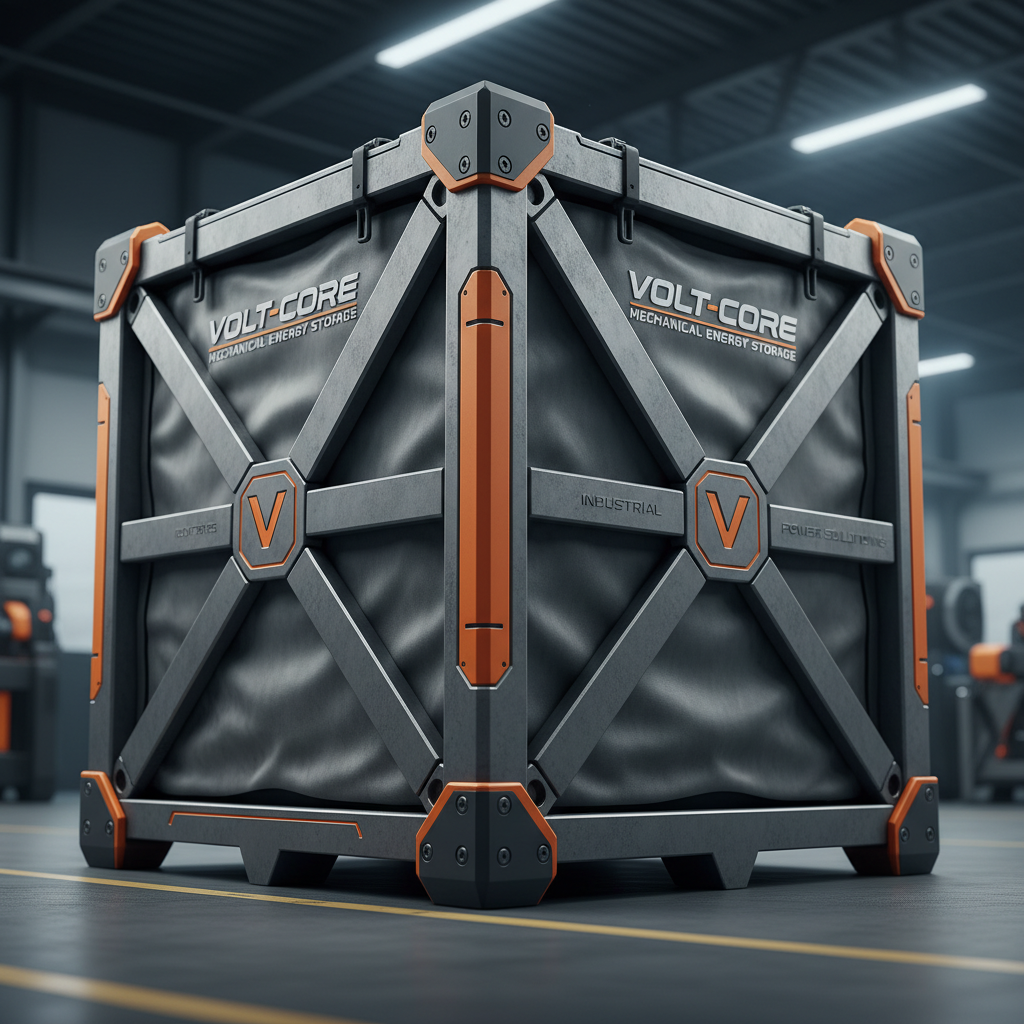
Mechanical storage of energy encompasses technologies that store energy through mechanical means, converting it into potential or kinetic energy. These systems offer benefits such as long lifecycles, high energy density in some cases, and reduced reliance on scarce materials compared to battery technologies. Key methods include Pumped Hydro Storage (PHS), Compressed Air Energy Storage (CAES), and Flywheel Energy Storage (FES). Each leverages different physical principles to accumulate and release energy when needed. The scalability and efficiency of these methods are constantly improving, making them increasingly viable for grid-scale applications.
Key Highlights: Mechanical energy storage offers long lifecycles, high energy density in some cases, and reduced reliance on scarce materials compared to battery technologies.
Pumped Hydro Storage: A Mature Technology
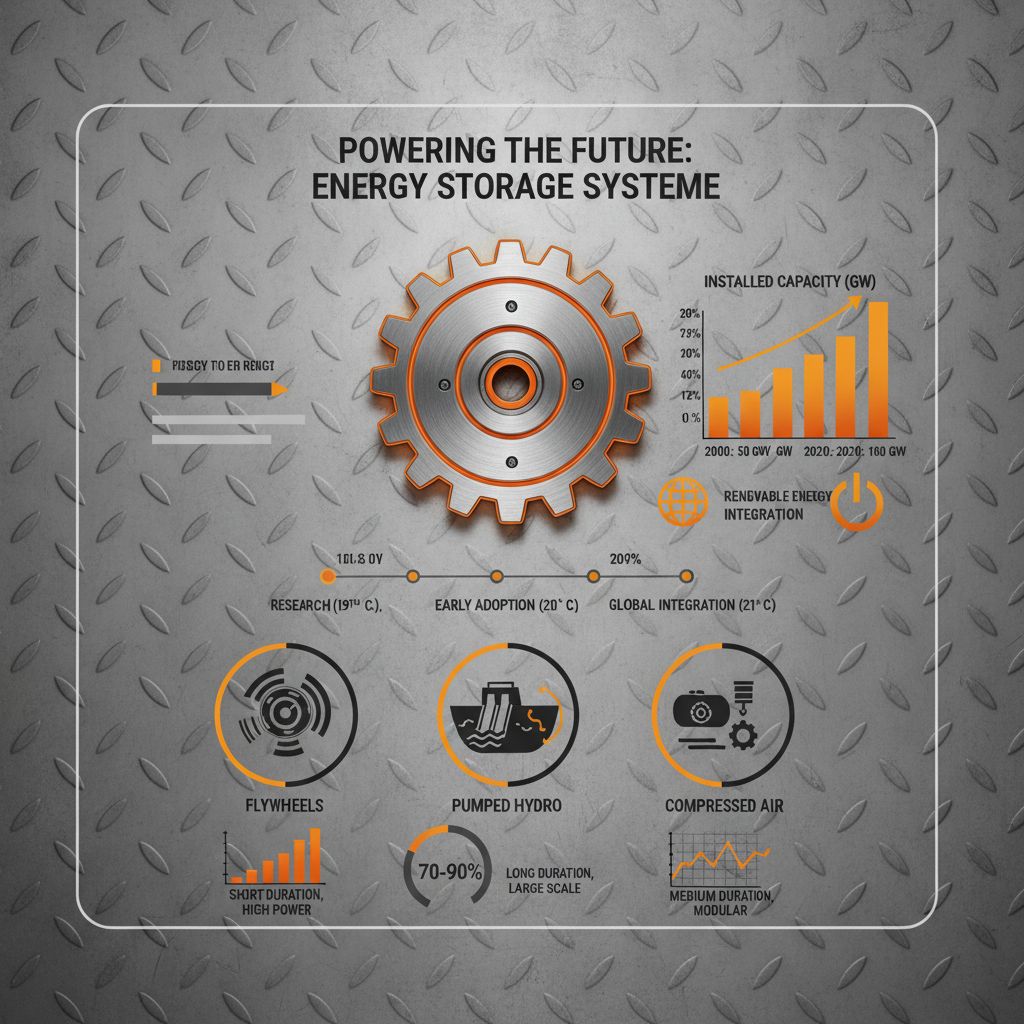
Pumped Hydro Storage (PHS) is the most widely deployed form of large-scale energy storage globally. It operates by pumping water from a lower reservoir to a higher reservoir during periods of low demand or excess energy generation. When energy is needed, the water is released back down, spinning turbines to generate electricity. PHS boasts high efficiency (70-85%) and significant storage capacity, making it ideal for grid stabilization and peak shaving. However, it’s geographically constrained by the availability of suitable elevation differences and water resources.
Pumped Hydro Storage Benefits:
• High efficiency (70-85%)
• Large storage capacity
• Mature and reliable technology
• Long lifespan
Compressed Air Energy Storage (CAES) and Flywheel Energy Storage: Emerging Solutions
Compressed Air Energy Storage (CAES) stores energy by compressing air into underground caverns or tanks. When electricity is required, the compressed air is released to drive turbines. CAES offers large-scale storage potential but requires suitable geological formations. Flywheel Energy Storage (FES) utilizes rotating cylinders to store kinetic energy. FES systems provide rapid response times and high cycle life, making them suitable for frequency regulation and power quality applications. While energy density is lower compared to PHS and CAES, FES is becoming increasingly cost-competitive.
The Role of ACDC BESS in Advanced Energy Storage
At ACDC BESS, we recognize the growing importance of diversified energy storage solutions. While specializing in battery energy storage systems (BESS), we are actively exploring integration with mechanical storage technologies to offer comprehensive solutions. Our expertise in power conversion systems (PCS), battery management systems (BMS), and system integration allows us to optimize the performance and reliability of hybrid energy storage systems, combining the strengths of both electrochemical and mechanical methods. We are committed to driving innovation in energy storage to support a cleaner, more sustainable future.
Future Trends and Challenges in Mechanical Energy Storage
The future of mechanical storage of energy looks promising, with ongoing research focused on improving efficiency, reducing costs, and expanding geographical applicability. Advanced CAES systems utilizing adiabatic compression (retaining heat during compression) and closed-cycle configurations are gaining traction. Innovations in flywheel materials and designs are boosting energy density and performance. However, challenges remain, including the need for suitable geological sites for CAES, the initial capital investment for PHS, and the relatively low energy density of some systems. Continued innovation and supportive policies will be essential to unlock the full potential of mechanical energy storage.
Conclusion: A Vital Component of a Sustainable Energy Future
Mechanical storage of energy plays a critical role in enabling a reliable and sustainable energy grid. From mature technologies like Pumped Hydro Storage to emerging solutions like CAES and FES, these systems offer unique advantages for grid stabilization, peak shaving, and renewable energy integration. ACDC BESS is dedicated to advancing energy storage technologies, including the integration of mechanical solutions, to build a cleaner and more resilient energy future.
Frequently Asked Questions (FAQs)
What are the main advantages of mechanical energy storage over battery storage?
Mechanical energy storage systems generally boast significantly longer lifecycles compared to batteries, often lasting for decades with minimal degradation. They are less reliant on rare earth materials and can be more environmentally friendly in terms of material sourcing and disposal. Furthermore, some mechanical systems, like PHS, offer very large-scale storage capacity, making them ideal for grid-level applications. However, batteries typically have higher energy density and faster response times.
What are the geographical limitations of Pumped Hydro Storage?
Pumped Hydro Storage requires specific topographical features: two reservoirs at different elevations connected by a waterway. This limits its deployment to regions with suitable elevation differences and access to sufficient water resources. Environmental concerns related to dam construction and potential impacts on aquatic ecosystems also need careful consideration.
How does ACDC BESS contribute to the advancement of mechanical energy storage?
ACDC BESS focuses on optimizing the integration of various energy storage technologies, including mechanical systems. Our expertise in power conversion systems (PCS) and system integration allows us to develop hybrid solutions that combine the strengths of batteries and mechanical storage. We are also involved in research and development efforts to improve the efficiency and cost-effectiveness of mechanical energy storage technologies.
What is the typical round-trip efficiency of Flywheel Energy Storage systems?
Flywheel Energy Storage systems typically achieve round-trip efficiencies of 80-90%. This makes them highly efficient for applications requiring frequent charge and discharge cycles, such as frequency regulation and power quality control. While energy density is lower than other storage technologies, the high efficiency and long lifespan make FES a compelling option in certain scenarios.
-
Cedar Point EV Charging Solutions for Sustainable Tourism Experience
NewsApr.16,2026
-
Guide to Cedar Point Charging Stations for EV Park Visitors
NewsApr.16,2026
-
Acorn Stairlift Charging Point Guide for Home Mobility Optimization
NewsApr.16,2026
-
Integrating a Wireless Charging Point into Modern Infrastructure
NewsApr.16,2026
-
How to Optimize Your iPhone 14 Charging Point for Efficiency
NewsApr.16,2026
-
Analyzing the Charging Point Share Price Trends and Market Outlook
NewsApr.09,2026