


Mar . 09, 2026 01:55 Back to list
Understanding Low Voltage Power Supply in Home Applications and Selection
Understanding Low Voltage Power Supply in Home Applications
Low voltage power supplies are essential components in many modern homes, providing safe and efficient power for a wide range of devices. From powering smart home systems and LED lighting to providing energy for security cameras and electronic gadgets, these supplies play a crucial role in our daily lives. Choosing the right low voltage power supply is vital for both performance and safety. This article delves into the types, applications, benefits, and considerations for selecting the optimal power supply for your home needs. Protecting your electronic investments and ensuring consistent power are key goals when choosing a reliable power supply. ACDCBESS provides solutions for diverse low voltage requirements.
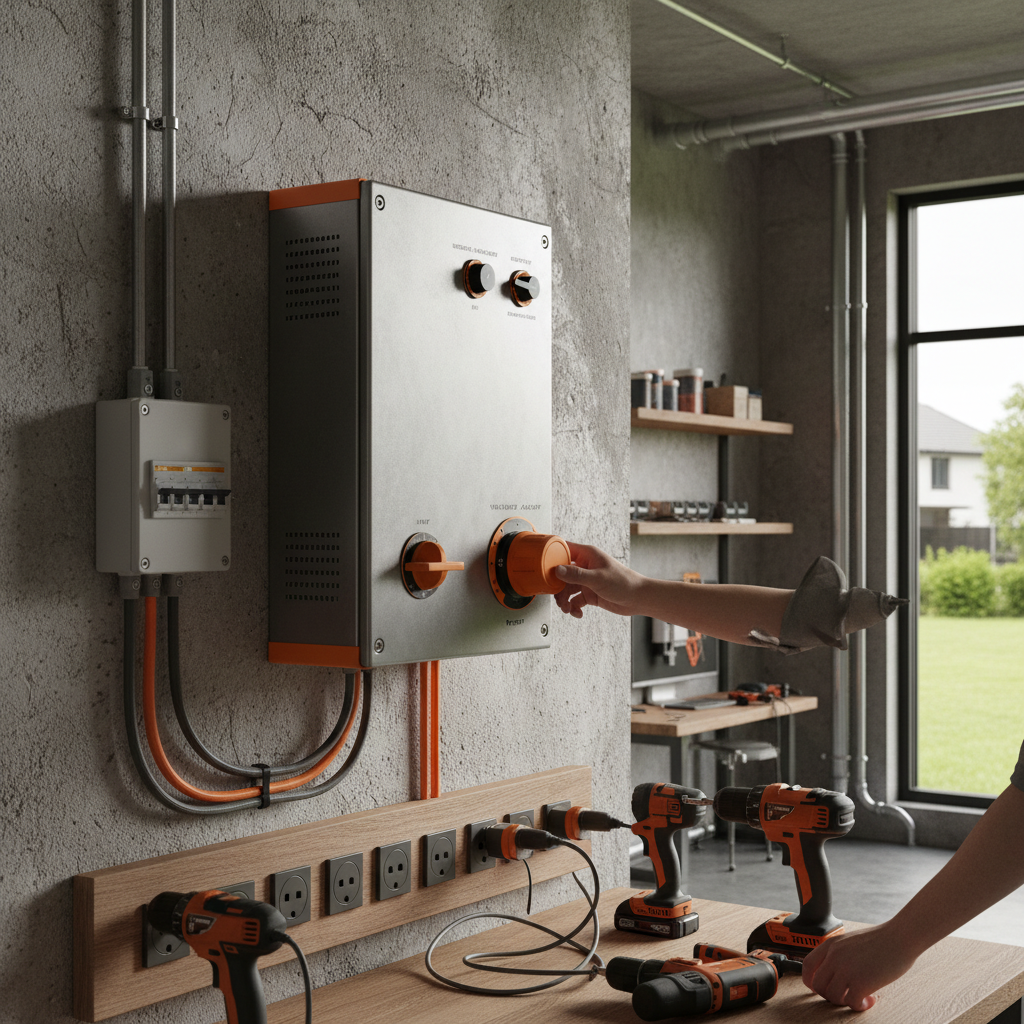
Types of Low Voltage Power Supplies
Several types of low voltage power supplies cater to different applications. Linear power supplies are known for their simplicity and low noise, making them suitable for sensitive electronic equipment. However, they are often less efficient and bulkier than their switching counterparts. Switching power supplies, also known as switch-mode power supplies (SMPS), are more efficient and compact, making them ideal for a broader range of applications. Isolated power supplies offer an extra layer of safety by electrically isolating the input and output, preventing potential hazards. Finally, AC-DC and DC-DC converters are commonly used to transform voltage levels to meet specific device requirements. Understanding these distinctions is crucial for selecting the best fit for your home's needs.
Key Highlights: Different types of low voltage power supplies offer varying levels of efficiency, size, and safety features. Careful consideration of the application is vital for optimal performance.
Common Applications of Low Voltage Power Supplies in the Home
Low voltage power supplies are ubiquitous in the modern home. They power LED lighting systems, providing energy-efficient illumination. Smart home devices, such as thermostats, security systems, and voice assistants, rely on these supplies for consistent operation. Security cameras utilize low voltage to ensure reliable surveillance. Furthermore, they power various electronic gadgets, including routers, modems, and chargers for mobile devices. Even kitchen appliances like coffee makers and toasters often employ low voltage power supplies for specific functions. The versatility of these supplies makes them indispensable for a comfortable and connected lifestyle.
Application Benefits:
• Energy-efficient lighting
• Reliable smart home device operation
• Consistent security system performance
• Safe and efficient charging of electronic devices
Low Voltage Power Supply in Home: A Comparative Analysis
Choosing between different types of low voltage power supplies requires a careful evaluation of their pros and cons. Linear power supplies are generally less expensive but suffer from lower efficiency and higher heat dissipation. Switching power supplies offer higher efficiency and a smaller footprint but can generate more electrical noise. Isolated power supplies provide enhanced safety but typically come at a higher cost. The best choice depends on the specific application, budget, and safety requirements. For sensitive electronics, a linear or isolated supply might be preferable, while for general-purpose applications, a switching supply may be more suitable.
Key Considerations When Choosing a Low Voltage Power Supply
Several factors should be considered when selecting a low voltage power supply. First, determine the voltage and current requirements of the devices you intend to power. Ensure the supply can deliver sufficient power without being overloaded. Second, consider the efficiency of the supply, as higher efficiency translates to lower energy consumption and reduced heat generation. Third, evaluate the safety features, such as over-voltage protection, over-current protection, and short-circuit protection. Finally, check for relevant certifications, such as UL, CE, and RoHS, to ensure the supply meets industry standards. ACDCBESS offers a range of certified and efficient power supplies to meet diverse needs.
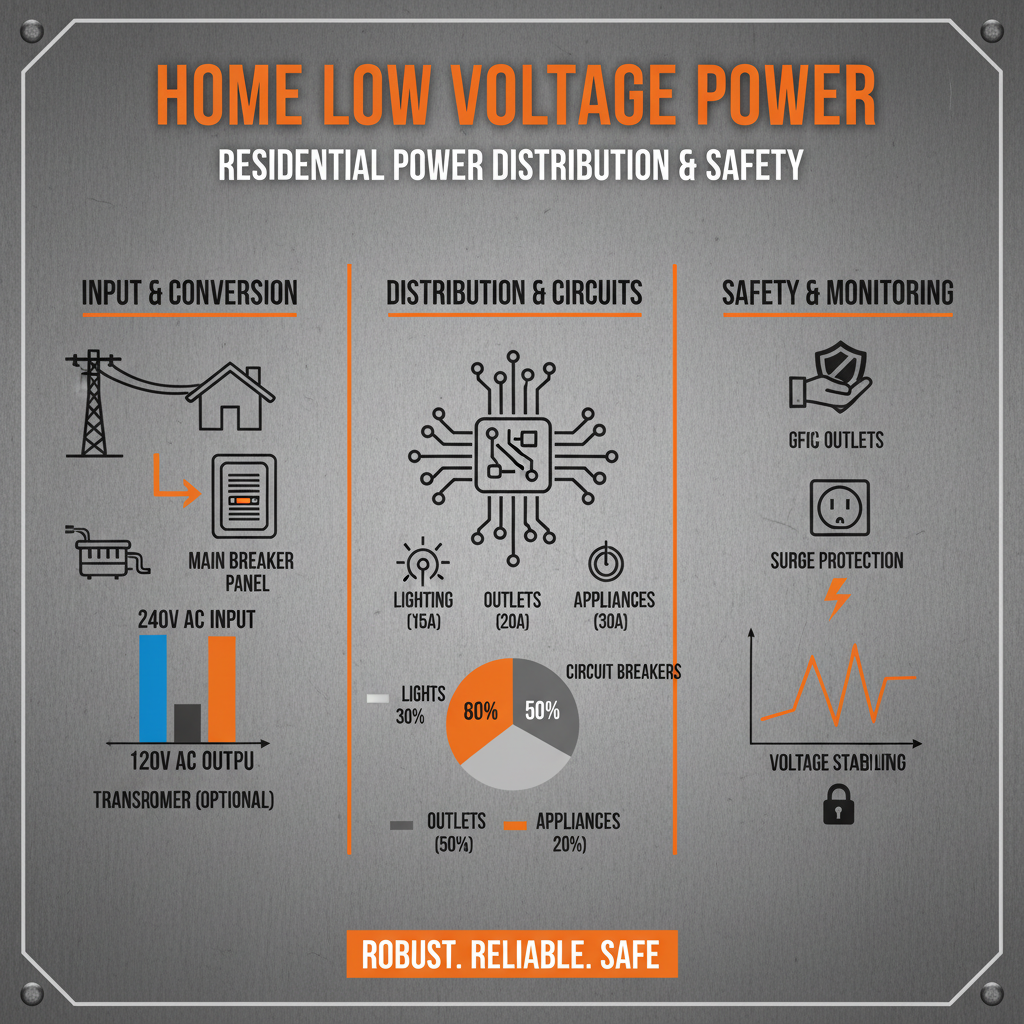
Product Specifications of ACDC BESS Low Voltage Power Supply
Here's a glimpse into the specifications of our ACDC BESS 12V 5A Power Supply. This showcases the precision and quality we aim for in all our products.
Conclusion: Powering Your Home Safely and Efficiently
Choosing the right low voltage power supply is crucial for ensuring the reliable and safe operation of your home's electronic devices. By considering the type of supply, application requirements, and safety features, you can make an informed decision that meets your needs. ACDCBESS provides a comprehensive range of high-quality power supplies designed for optimal performance and safety. Investing in a reliable power supply is an investment in the longevity and functionality of your home's electronics.
Frequently Asked Questions (FAQs)
What is the difference between a linear and a switching power supply?
Linear power supplies offer a simpler design and lower electrical noise but are less efficient and bulkier. They dissipate more energy as heat. Switching power supplies, on the other hand, are more efficient, smaller, and lighter but can generate more electrical noise. The choice depends on the application; linear supplies are often preferred for sensitive electronics where noise is a concern, while switching supplies are better for general-purpose applications where efficiency and size are critical.
How can I ensure the safety of my low voltage power supply?
Ensure the power supply is properly grounded and protected from moisture. Look for power supplies with built-in safety features such as over-voltage protection (OVP), over-current protection (OCP), and short-circuit protection (SCP). Avoid overloading the supply by exceeding its rated output current. Regularly inspect the power supply for any signs of damage, such as frayed wires or cracked casings. Always disconnect the power supply before performing any maintenance or repairs.
What does ‘efficiency’ mean in a power supply?
Efficiency refers to the percentage of input power that is converted into usable output power. A higher efficiency rating means less energy is wasted as heat. For example, an 85% efficient power supply converts 85% of the input power into the desired voltage, while the remaining 15% is lost as heat. Higher efficiency not only saves energy but also reduces the operating temperature of the power supply, potentially extending its lifespan.
-
Cedar Point EV Charging Solutions for Sustainable Tourism Experience
NewsApr.16,2026
-
Guide to Cedar Point Charging Stations for EV Park Visitors
NewsApr.16,2026
-
Acorn Stairlift Charging Point Guide for Home Mobility Optimization
NewsApr.16,2026
-
Integrating a Wireless Charging Point into Modern Infrastructure
NewsApr.16,2026
-
How to Optimize Your iPhone 14 Charging Point for Efficiency
NewsApr.16,2026
-
Analyzing the Charging Point Share Price Trends and Market Outlook
NewsApr.09,2026