The world faces increasing demands for energy, coupled with growing concerns about sustainability and efficiency. An energy management system (EMS) offers a vital pathway to address these challenges. By intelligently monitoring, controlling, and optimizing energy consumption, EMS solutions are becoming indispensable for organizations and communities striving for cost savings, reduced environmental impact, and enhanced operational resilience. Understanding the principles and applications of energy management is no longer a luxury but a necessity in today's world.
The significance of effective energy management extends far beyond simply lowering utility bills. It's a cornerstone of responsible resource allocation, contributing to global efforts to combat climate change and promote sustainable development. From large-scale industrial facilities to individual homes, an energy management system empowers users to make informed decisions about their energy usage, reducing waste and maximizing the value of every kilowatt-hour. This proactive approach is essential for building a more secure and sustainable energy future.
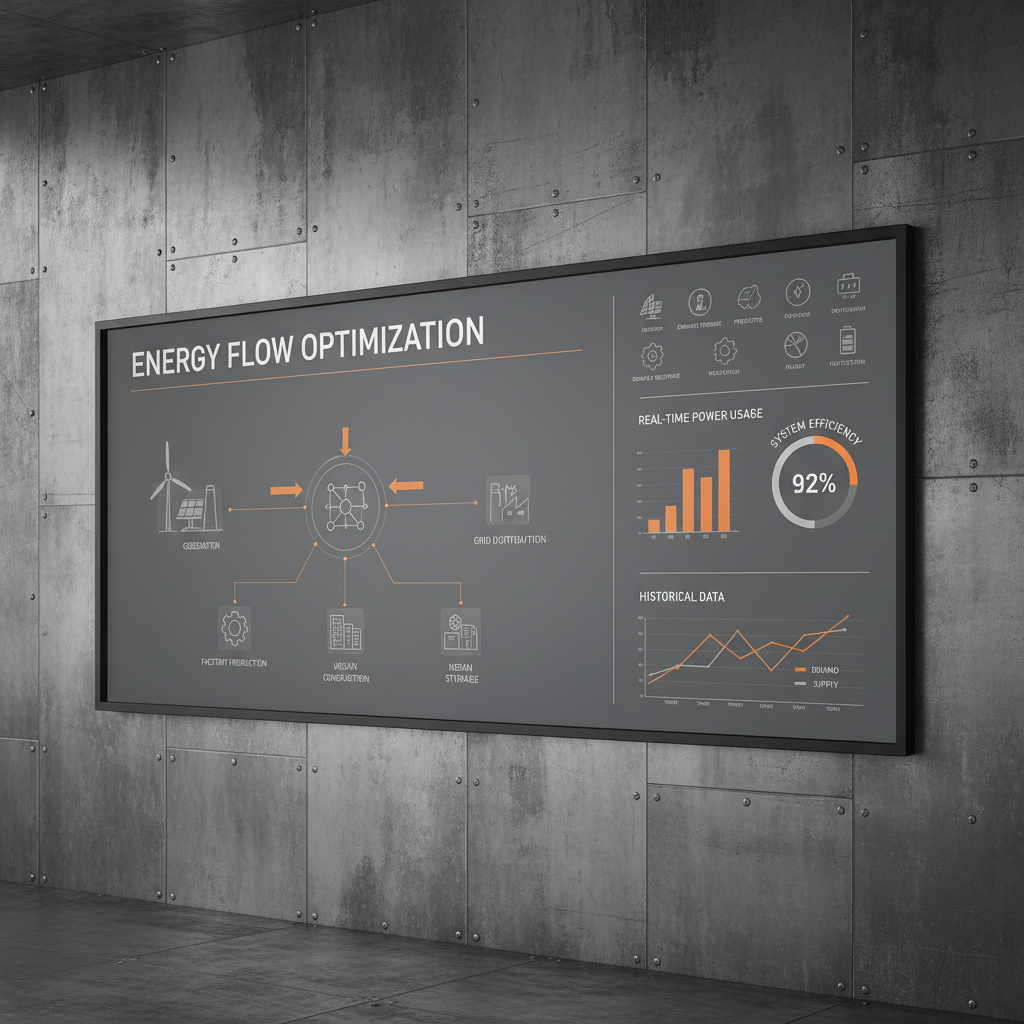
Moreover, advancements in technology have made sophisticated energy management systems increasingly accessible and affordable. Cloud-based platforms, IoT sensors, and data analytics provide powerful tools for real-time monitoring and control, enabling organizations to optimize energy performance and adapt to changing conditions. The benefits of implementing an energy management system are multifaceted, encompassing economic, environmental, and social dimensions.
The Importance of Energy Management System
The escalating costs of energy and the imperative to reduce carbon footprints are driving widespread adoption of energy management systems. These systems aren’t merely about reducing bills; they are a strategic investment in operational efficiency, sustainability, and long-term profitability. Organizations across all sectors are recognizing the benefits of gaining greater visibility into their energy consumption patterns.
Effective energy management translates directly into reduced operating expenses and increased competitiveness. Beyond the financial gains, a commitment to energy efficiency demonstrates corporate social responsibility, enhancing brand reputation and attracting environmentally conscious customers and investors.
Defining an Energy Management System
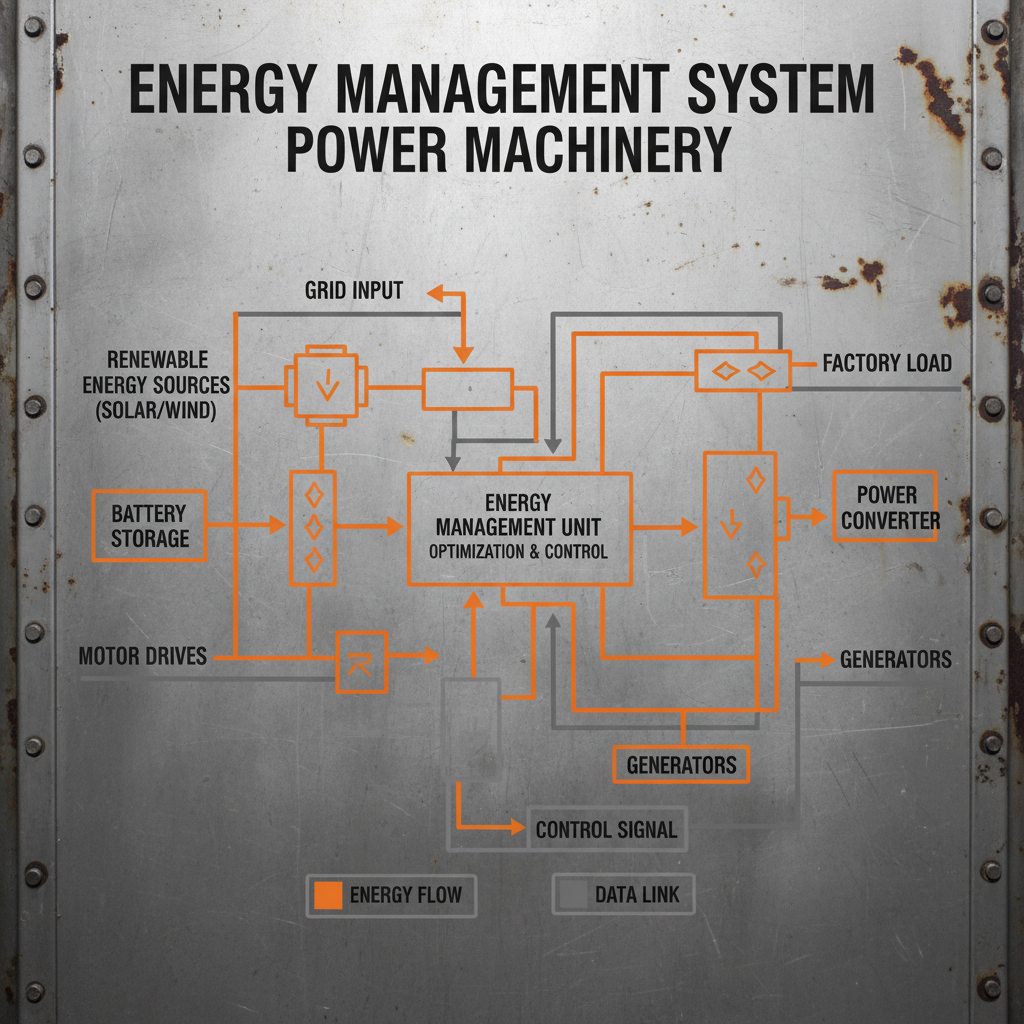
An energy management system is a structured framework of policies, procedures, and technologies designed to systematically manage and optimize energy use within an organization or facility. It encompasses a holistic approach, covering everything from energy procurement and monitoring to consumption analysis and improvement initiatives.
It is often aligned with the ISO 50001 standard, an internationally recognized framework for establishing, implementing, maintaining, and improving an energy management system. The connection to modern industry is crucial; it moves beyond simple energy audits to create a continuous improvement cycle, ensuring sustained reductions in energy waste and cost.
On a humanitarian level, effective energy management is vital in disaster relief, supporting sustainable community development, and ensuring access to reliable power in underserved regions. It's a foundational element of building resilient and sustainable societies.
Core Components of an Energy Management System
Several key components work in concert to create a successful energy management system. These include: comprehensive energy audits to establish a baseline; real-time monitoring and data acquisition using sensors and meters; data analytics and reporting tools to identify trends and inefficiencies; and the implementation of energy-saving measures based on data insights.
Furthermore, establishing clear energy performance indicators (EnPIs) and energy targets is critical for tracking progress and demonstrating accountability. A robust EMS also requires employee engagement and training to foster a culture of energy awareness throughout the organization. Regular reviews and continuous improvement initiatives are vital for sustaining long-term results.
Finally, integration with Building Management Systems (BMS) and other automation technologies enhances the system’s effectiveness, allowing for automated control and optimization of energy-consuming equipment. The system's overall design and implementation must be tailored to the specific needs and characteristics of the facility or organization.
Key Factors Influencing Energy Management System Performance
Several factors directly impact the effectiveness of an energy management system. Scalability is paramount, enabling the system to adapt to changing energy needs and accommodate future growth. Cost efficiency, encompassing both initial investment and ongoing operational expenses, is a key consideration.
Data accuracy and reliability are essential for informed decision-making, requiring the use of calibrated sensors and robust data validation procedures. System interoperability, ensuring seamless integration with existing infrastructure, is also crucial for avoiding compatibility issues and maximizing efficiency.
Key Performance Indicators for Energy Management System
Global Applications of Energy Management Systems
Energy management systems are deployed across a wide range of sectors globally. In the industrial sector, they optimize energy consumption in manufacturing plants, reducing production costs and improving sustainability. Commercial buildings, such as offices and retail spaces, benefit from reduced energy bills and improved occupant comfort.
Advantages and Long-Term Value of an Energy Management System
The advantages of implementing an energy management system are numerous and far-reaching. Tangible benefits include significant cost savings on energy bills, reduced carbon emissions, and enhanced operational efficiency. Long-term value is derived from improved asset management, reduced maintenance costs, and increased resilience to energy price fluctuations.
Beyond the economic gains, an EMS fosters a culture of sustainability, demonstrating a commitment to environmental responsibility. It also enhances safety by identifying and mitigating potential energy-related hazards, and builds trust with stakeholders through transparent energy reporting. It’s a valuable investment in a sustainable and responsible future.
The emotional benefit of contributing to a cleaner environment and a more sustainable future cannot be understated, fostering a sense of pride and purpose among employees and stakeholders.
Future Trends and Innovations in Energy Management Systems
The future of energy management systems is intertwined with several emerging trends. The integration of artificial intelligence (AI) and machine learning (ML) is enabling predictive energy analytics, allowing for proactive optimization and reduced energy waste. The rise of the Internet of Things (IoT) is providing more granular data and enabling real-time control of energy-consuming devices.
The increasing adoption of renewable energy sources, such as solar and wind power, is driving the need for sophisticated energy storage and grid management solutions. Furthermore, the growing focus on circular economy principles is promoting energy reuse and waste heat recovery. These innovations are poised to transform the energy landscape and create a more sustainable future.
Summary of Key Future Trends in Energy Management Systems
| Trend Category |
Technological Advancement |
Impact on Energy Management System |
Adoption Rate (1-10) |
| Artificial Intelligence |
Predictive Analytics & Machine Learning |
Optimized energy consumption, proactive maintenance |
8 |
| Internet of Things (IoT) |
Smart Sensors & Real-time Data Collection |
Enhanced monitoring and control of energy devices |
9 |
| Renewable Energy Integration |
Advanced Energy Storage Systems |
Improved grid stability and renewable energy utilization |
7 |
| Cloud Computing |
Scalable Data Storage & Remote Access |
Cost-effective and flexible energy management solutions |
6 |
| Blockchain Technology |
Secure Energy Trading & Peer-to-Peer Networks |
Transparent and decentralized energy transactions |
4 |
| Digital Twins |
Virtual Representations of Physical Assets |
Simulate and optimize energy performance of facilities |
5 |
FAQS
The ROI for an energy management system varies significantly based on factors like facility size, energy consumption patterns, and implemented technologies. However, many organizations experience a payback period of 2-5 years, with ongoing savings thereafter. These savings stem from reduced energy bills, optimized equipment performance, and decreased maintenance costs. A thorough energy audit and detailed cost-benefit analysis are crucial for accurately projecting ROI.
Integration between an energy management system and a BMS is typically achieved through standard communication protocols such as BACnet, Modbus, or LonWorks. The EMS can then leverage data from the BMS to gain deeper insights into energy consumption patterns, control building systems more efficiently, and identify potential savings opportunities. Seamless integration streamlines operations and enhances overall performance.
Employee engagement and training are vital for the success of any energy management system. Training should cover the basics of energy conservation, the operation of the EMS, and the importance of reporting energy-related issues. A culture of energy awareness needs to be fostered throughout the organization to ensure sustained participation and improvement.
ISO 50001 certification is not mandatory, but it provides a valuable framework for establishing, implementing, maintaining, and improving an energy management system. It demonstrates a commitment to energy efficiency and can enhance an organization’s reputation and credibility. However, an effective EMS can be implemented without formal certification, although aligning with ISO 50001 principles is highly recommended.
Security is paramount when deploying an energy management system, especially given its connectivity to critical infrastructure. Robust cybersecurity measures, including firewalls, intrusion detection systems, and data encryption, are essential. Regular security audits and vulnerability assessments should be conducted to identify and address potential threats. Secure remote access protocols and strong password policies are also crucial.
An energy management system directly supports sustainability goals by reducing energy consumption, lowering carbon emissions, and promoting responsible resource utilization. By tracking and analyzing energy performance, organizations can identify areas for improvement and implement strategies to minimize their environmental impact. It aligns business operations with broader sustainability objectives and contributes to a more sustainable future.
Conclusion
In conclusion, an energy management system is no longer simply a cost-saving measure but a fundamental component of responsible business practice. By systematically managing and optimizing energy usage, organizations can achieve significant financial benefits, reduce their environmental footprint, and enhance their long-term sustainability. From industrial facilities to commercial buildings, the applications are vast and the benefits are undeniable.
Looking ahead, the integration of emerging technologies like AI and IoT will further revolutionize energy management, enabling even greater efficiency and control. Investing in an EMS is an investment in a more sustainable and resilient future. Visit our website at www.acdcbess.com to learn more about how we can help you implement a customized energy management solution tailored to your specific needs.