The increasing demand for reliable and efficient energy storage solutions is driving innovation in data acquisition technology. energy storage data acquisition sensors are critical for monitoring, analyzing, and optimizing the performance of various energy storage systems, ranging from battery storage to pumped hydro. These sensors provide real-time insights into key parameters, enabling proactive maintenance, improved safety, and maximized return on investment.
Globally, the energy storage market is experiencing exponential growth, fueled by the transition towards renewable energy sources and the need for grid stabilization. According to the International Renewable Energy Agency (IRENA), global installed battery capacity increased by over 150% between 2018 and 2022. This expansion necessitates sophisticated monitoring systems to ensure the long-term viability and efficiency of these investments.
energy storage data acquisition sensors are no longer a luxury but a necessity for modern energy infrastructure, supporting the global push for sustainable and resilient energy systems. They unlock the potential of efficient energy distribution and utilization, paving the way for a greener future.
The Core Principles of energy storage data acquisition sensor
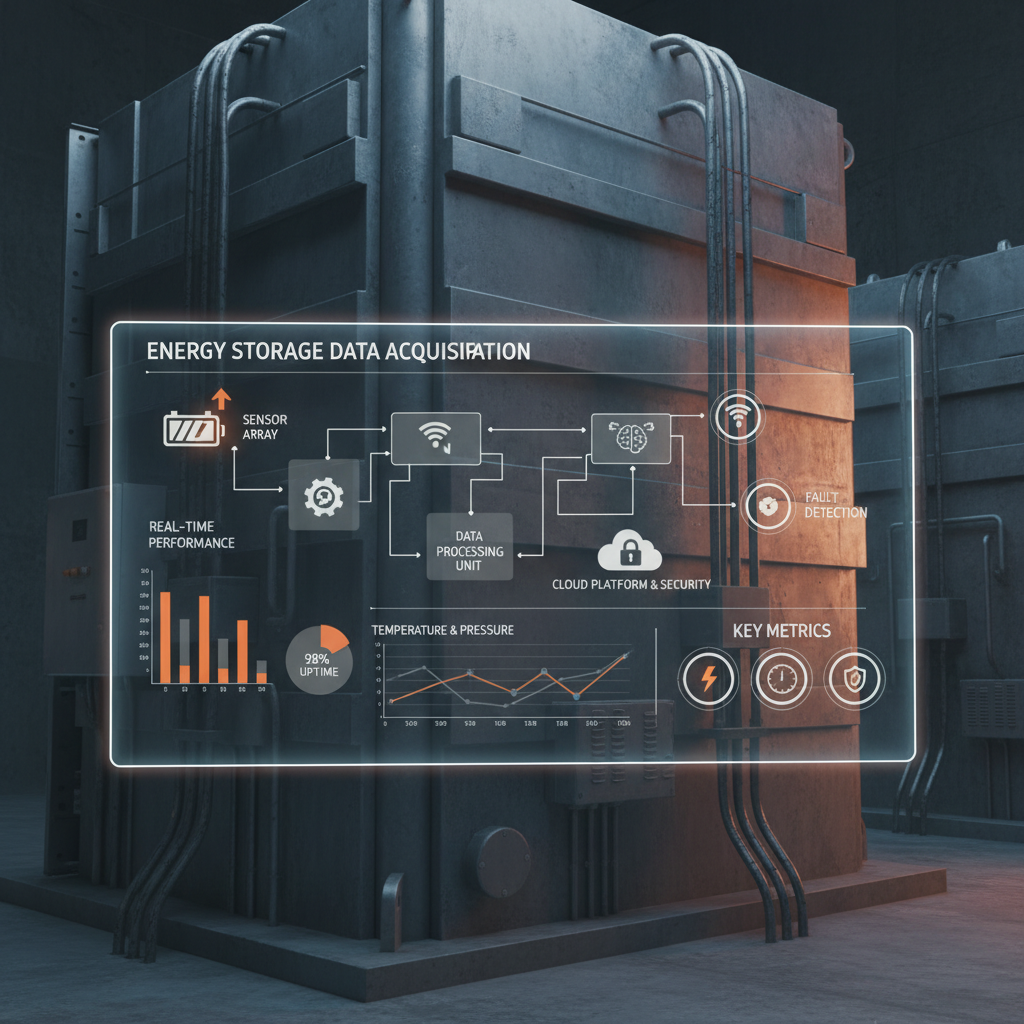
At its core, an energy storage data acquisition sensor system comprises sensors, data loggers, and communication networks. Sensors measure critical parameters like voltage, current, temperature, state of charge (SOC), and state of health (SOH). These raw data points are then collected by data loggers, processed, and transmitted for analysis.
The selection of appropriate sensors is paramount, depending on the specific energy storage technology being monitored (e.g., lithium-ion batteries, flow batteries, supercapacitors). Factors like accuracy, resolution, response time, and environmental resilience significantly influence the overall system performance and reliability.
Global Relevance and Industry Context
The global energy landscape is rapidly evolving, with increasing emphasis on renewable energy integration and grid modernization. Energy storage systems are playing a crucial role in addressing the intermittency challenges associated with solar and wind power, ensuring a stable and reliable electricity supply. This demand drives the need for accurate and dependable energy storage data acquisition sensors.
Industries heavily reliant on energy storage, such as electric vehicles (EVs), telecommunications, and grid-scale energy storage, are investing heavily in advanced monitoring solutions. The growth of the EV market, in particular, necessitates sophisticated battery management systems (BMS) equipped with high-performance sensors to optimize battery life and safety.
Furthermore, government regulations and incentives promoting renewable energy adoption and grid resilience are accelerating the demand for energy storage and, consequently, the need for effective data acquisition systems. Countries like the United States, China, and Germany are at the forefront of this energy transition, driving innovation in sensor technology.
Defining energy storage data acquisition sensor
An energy storage data acquisition sensor is a device or system designed to measure and record key performance indicators (KPIs) within an energy storage system. These sensors translate physical parameters like voltage, current, temperature, and pressure into electrical signals that can be interpreted and analyzed.
These systems aren't simply about data collection; they enable real-time monitoring, predictive maintenance, and system optimization. By providing valuable insights into the health and performance of energy storage assets, these sensors contribute to increased efficiency, reduced downtime, and enhanced safety.
The application of energy storage data acquisition sensors extends beyond large-scale grid storage; they're crucial in everything from portable power banks to advanced electric vehicle battery management. The increasing complexity of energy storage technologies necessitates increasingly sophisticated sensor solutions.
Key Factors in Sensor Performance
Several key factors dictate the performance and reliability of an energy storage data acquisition sensor system. Accuracy is paramount, ensuring that measurements reflect the true state of the energy storage system. Resolution, the smallest change a sensor can detect, also plays a vital role, especially in systems requiring precise control.
Durability and operating temperature range are crucial, particularly in harsh environments or extreme climates. A robust sensor must withstand vibrations, humidity, and temperature fluctuations without compromising accuracy or lifespan.
Comparison of energy storage data acquisition sensor Methods
Applications Across Industries
energy storage data acquisition sensors find extensive application in grid-scale energy storage facilities, where they monitor battery arrays, inverters, and cooling systems. They are also fundamental in Electric Vehicle (EV) battery management systems, optimizing charging/discharging cycles and predicting battery lifespan.
In remote industrial zones lacking reliable grid connections, these sensors enable efficient operation of off-grid energy storage systems, ensuring uninterrupted power supply. Furthermore, they are increasingly being deployed in residential energy storage systems, allowing homeowners to monitor their solar panel performance and battery usage.
Benefits and Long-Term Value
The benefits of implementing robust energy storage data acquisition sensors are substantial. Reduced operational costs are achieved through predictive maintenance, minimizing unexpected downtime and extending the lifespan of energy storage assets. Sustainability is enhanced by optimizing energy utilization and reducing waste.
Enhanced safety is another key advantage, with real-time monitoring alerting operators to potential hazards like overheating or overcharging. Ultimately, these sensors contribute to a more reliable, efficient, and sustainable energy future, fostering trust in energy storage technologies.
Future Trends and Innovation
The future of energy storage data acquisition sensors is poised for significant advancements. Wireless sensor networks and IoT integration will become increasingly prevalent, enabling seamless data collection and remote monitoring. The development of advanced sensor materials and miniaturization technologies will lead to more compact and precise sensors.
Furthermore, the integration of artificial intelligence (AI) and machine learning (ML) algorithms will enable predictive analytics, allowing for proactive maintenance and optimized energy storage system performance. These innovations are essential to support the accelerating adoption of renewable energy and the growth of the energy storage market.
The convergence of digital transformation and energy storage data acquisition will be a defining characteristic of the industry, driving greater efficiency and intelligence within energy systems.
FAQS
The lifespan of an energy storage data acquisition sensor varies depending on its type, quality, and operating conditions. Generally, high-quality sensors can last between 5 to 10 years with proper maintenance. However, factors like extreme temperatures, humidity, and vibration can shorten the lifespan. Regular calibration and inspection are crucial for maximizing sensor longevity and ensuring accurate data.
Calibration involves comparing the sensor’s output to a known standard and adjusting it accordingly. This process ensures accuracy and reliability. Calibration procedures vary depending on the sensor type, but generally require specialized equipment and expertise. It is often recommended to have sensors calibrated by a certified calibration laboratory on a periodic basis to maintain traceability and accuracy.
Common communication protocols include Modbus, CAN bus, Ethernet, and wireless protocols like Zigbee and LoRaWAN. Modbus is widely used for industrial applications, while CAN bus is prevalent in EV battery management systems. Ethernet provides high-speed data transmission, and wireless protocols enable remote monitoring in challenging environments.
Temperature significantly impacts the accuracy of most sensors. Temperature fluctuations can cause drift in the sensor output, leading to inaccurate readings. Temperature compensation techniques, either built into the sensor or implemented in the data acquisition system, are essential for mitigating this effect. Selecting sensors with appropriate temperature coefficients and ensuring proper thermal management are crucial.
Yes, security is a major concern. Energy storage systems connected to the grid can be vulnerable to cyberattacks. Implementing robust cybersecurity measures, such as encryption, authentication, and firewalls, is crucial for protecting the system from unauthorized access and malicious activity. Regular security audits and updates are also essential.
Data analytics transforms raw sensor data into actionable insights. By applying statistical modeling, machine learning, and predictive analytics, operators can optimize energy storage system performance, predict failures, and reduce costs. Data analytics enables proactive maintenance, improved efficiency, and enhanced system reliability, maximizing the return on investment in energy storage technology.
Conclusion
energy storage data acquisition sensors are indispensable for unlocking the full potential of modern energy storage systems. They provide the vital data needed to optimize performance, enhance safety, and ensure long-term reliability. From grid-scale installations to electric vehicles and residential storage, these sensors are driving the transition towards a more sustainable and resilient energy future.
Investing in advanced sensor technology and robust data analytics capabilities is crucial for capitalizing on the growing opportunities in the energy storage market. As the industry continues to evolve, innovation in sensor design, wireless communication, and AI-powered analytics will further enhance the value and impact of these essential tools. Visit our website at www.acdcbess.com to learn more about our comprehensive energy storage solutions.