Look, I’ve been running around construction sites for fifteen years. Fifteen years! You see a lot, smell a lot, and honestly, you start to understand what actually works and what’s just marketing fluff. Lately, everyone’s talking about modular construction, prefabrication… and of course, energy storage. It's everywhere. But it's not always what it's cracked up to be.
The biggest trend, and believe me I see it on every site, is moving towards faster deployment and sustainability. Everyone's under pressure to get projects done quicker and meet those green building standards. But it's a balancing act, right? You push for speed, you often sacrifice quality. You push for green, well, sometimes the 'green' solutions end up costing a fortune.
To be honest, I’ve seen so many designs that look good on paper but fall apart the second you try to actually build them. Have you noticed how architects love to specify these fancy materials without thinking about how a guy with a wrench is going to deal with them?
The Current Landscape of energy storage
Right now, lithium-ion is king. Everyone's using it. But honestly, it smells like burning plastic when it overheats, and you’ve gotta be careful with the disposal. There’s a lot of talk about sodium-ion and solid-state batteries, but those are still mostly lab toys, if you ask me. I encountered a guy at a battery factory last time, and he said scaling up solid-state is a nightmare. Just… a nightmare. It's all about energy density and lifespan, and nobody's cracked that code perfectly yet.
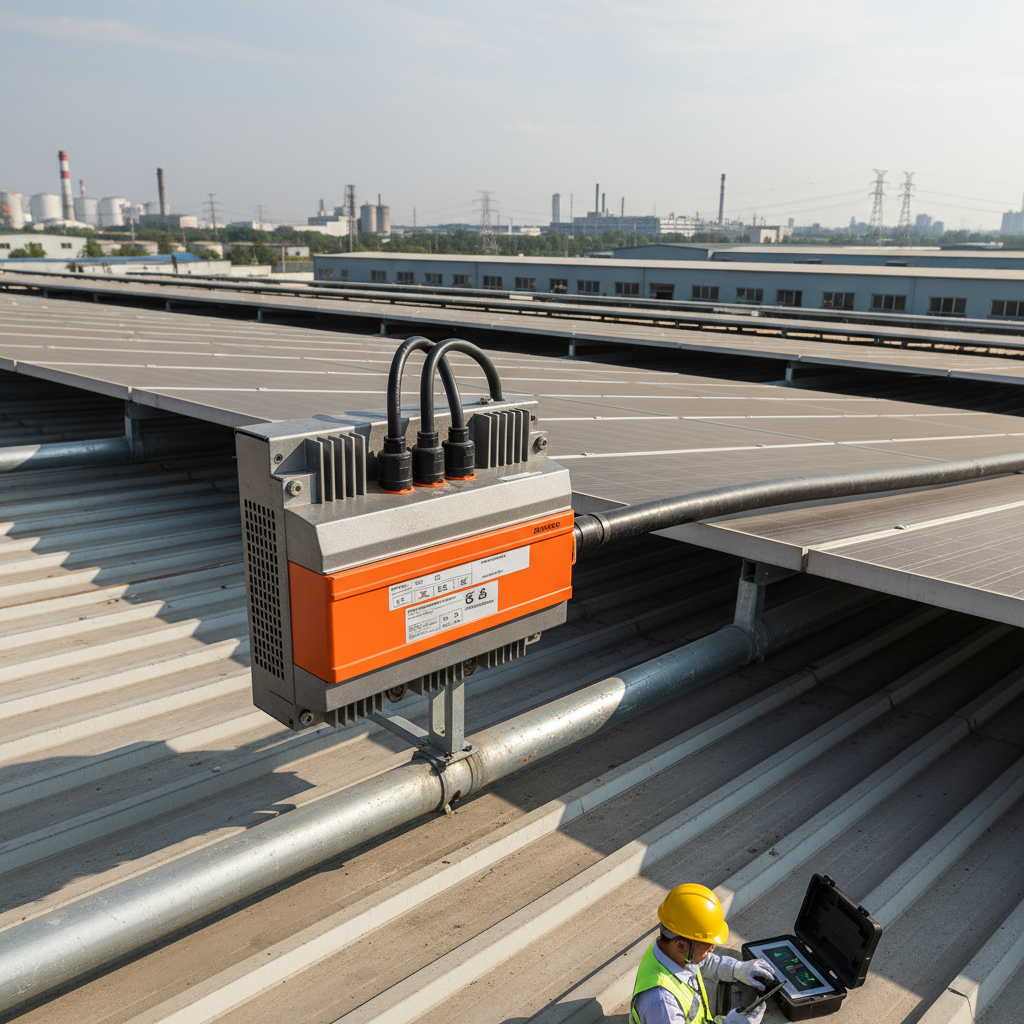
And it's not just the battery itself. It's the whole system – the inverters, the controllers, the thermal management. It all has to work together.
Design Pitfalls in energy storage Implementation
Strangely, the biggest problem I see is over-engineering. Architects and engineers get caught up in the specs and forget about practical installation. You end up with a system that’s technically brilliant but impossible to get into the building. Access panels that are too small, wiring that’s a mess, ventilation that’s inadequate… It's a constant battle.
Another issue is assuming the grid is always reliable. You design these beautiful systems, and then a power outage happens, and suddenly everything’s useless. You need redundancy, you need backup, but that adds cost, and everyone’s always trying to cut costs.
And don't even get me started on cable management. Honestly, if I see one more tangled mess of wires, I’m going to lose it.
Material Considerations for energy storage Systems
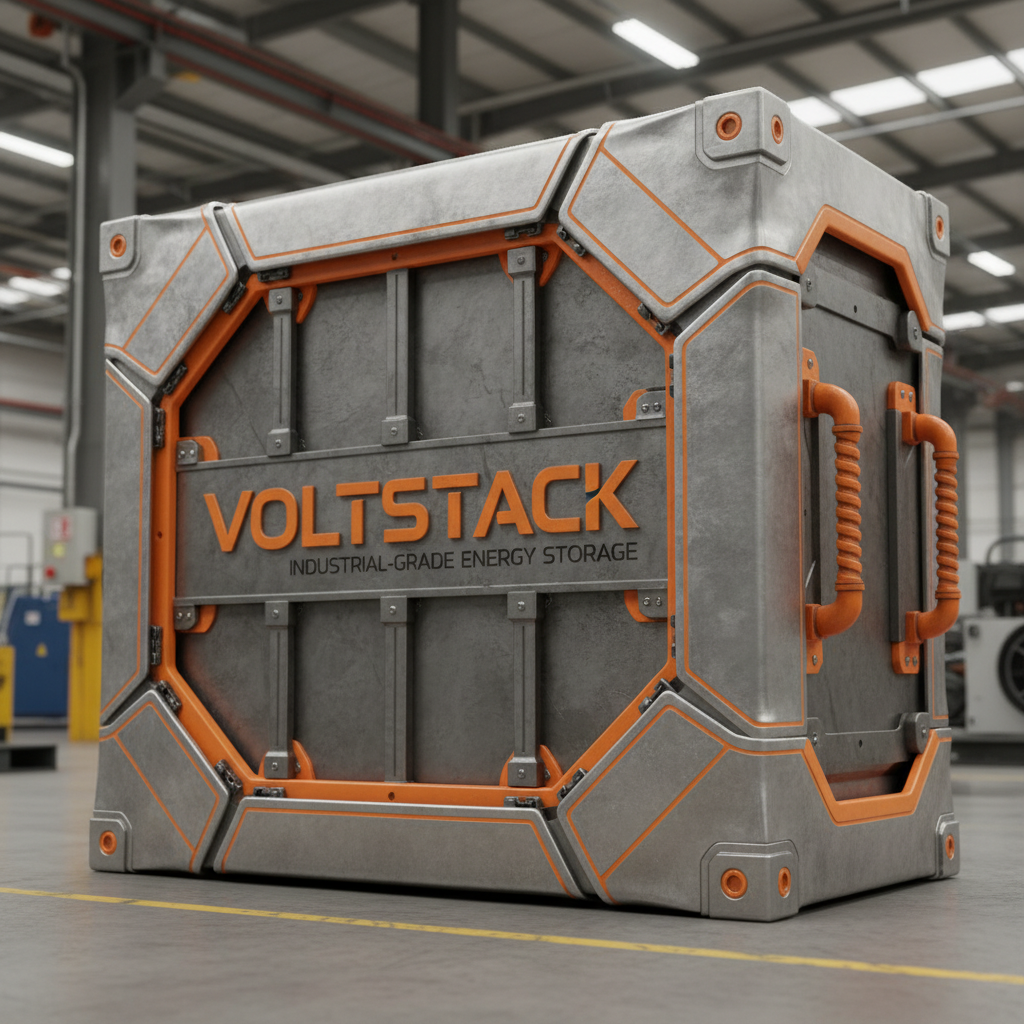
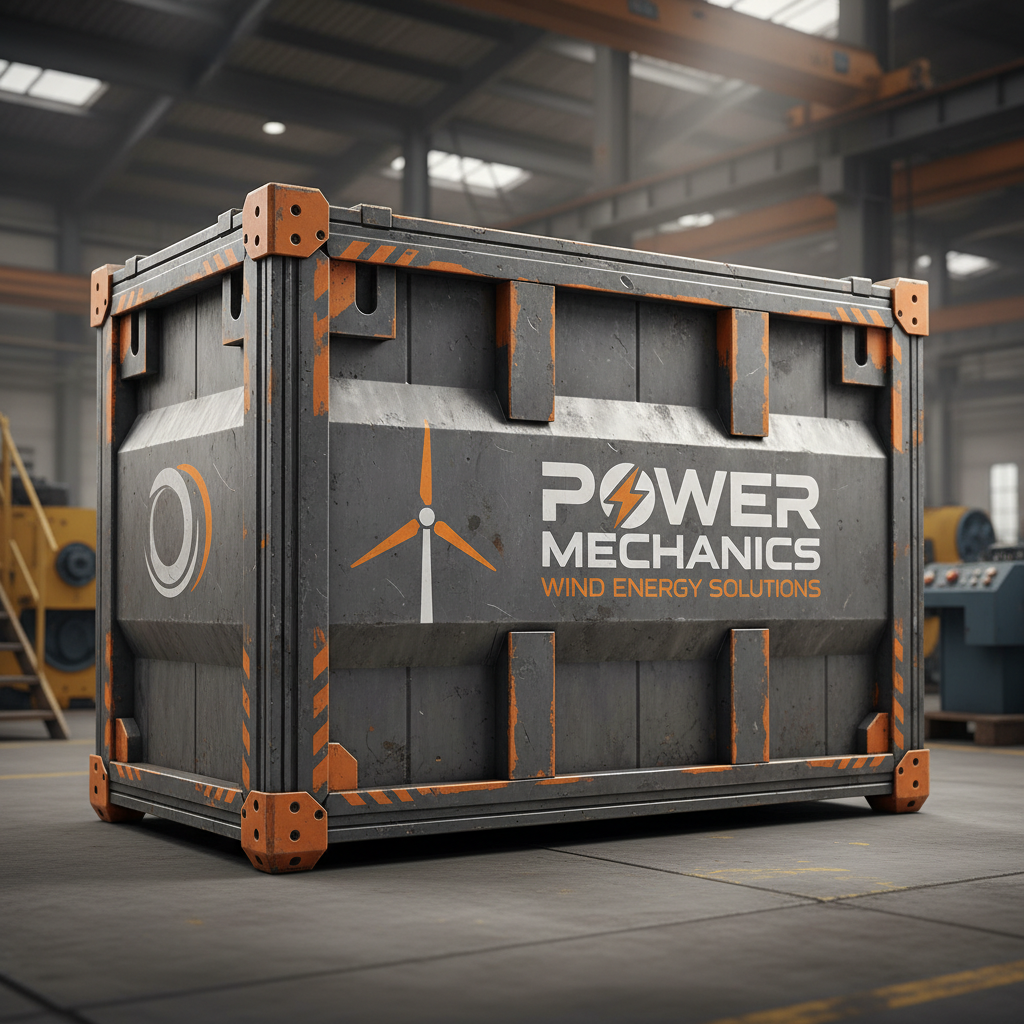
The enclosures, man. That's where it gets interesting. You want something that’s robust, weatherproof, and fire-resistant. Steel is good, but it’s heavy. Aluminum is lighter, but it corrodes. There's this new composite material, kind of like fiberglass, that’s showing promise. It's lightweight, strong, and doesn't rust. But it's expensive.
And the connectors! Oh, the connectors. Cheap connectors fail. They corrode, they loosen, they cause shorts. I’ve seen systems catch fire because of a bad connector. You have to use high-quality connectors. It’s not worth saving a few bucks. I’ve learned the hard way on that one. I saw a whole shipment of dodgy connectors on a site in Shanghai last year. Disaster waiting to happen.
The thermal paste is crucial, too. You need something that dissipates heat effectively. Some of that stuff smells awful, though. Like burnt sugar and chemicals. But hey, if it keeps the batteries cool, I guess I can hold my nose.
Real-World Testing of energy storage Technologies
Lab tests are fine, but they don’t tell the whole story. I want to see how this thing performs in real-world conditions. I've started taking batteries from projects that are being decommissioned and just breaking them. Discharging them fully, overheating them, dropping them. Basically, seeing what it takes to make them fail.
We run simulated power outages, cycle the batteries through thousands of charge/discharge cycles, and expose them to extreme temperatures. It’s not pretty, but it’s informative. Forget about the pretty graphs and charts. Show me the smoke!
energy storage System Performance Metrics
User Behavior and Actual Application of energy storage
People don't use things the way you think they will. I’ve seen guys use battery enclosures as makeshift workbenches. I’ve seen them lean ladders against them. You gotta design for the real world, not the ideal world.
And it's not always about grid-scale applications. A lot of times, it's about providing power for remote sites, like construction trailers or mobile offices. Simple stuff, but it makes a huge difference.
Advantages, Disadvantages, and Customization of energy storage
The advantages are obvious: resilience, cost savings (eventually), and sustainability. But the disadvantages are significant: the upfront cost is high, the lifespan is limited, and the disposal is a headache. Anyway, I think the biggest issue is the complexity. These systems are not plug-and-play.
Customization is key. One size doesn’t fit all. I’ve had clients who needed specific voltage requirements, different connector types, or even custom enclosure sizes. You have to be flexible.
A Case Study: Customizing energy storage for a Smart Home Manufacturer
Last month, that small boss in Shenzhen who makes smart home devices insisted on changing the interface to . Said it was "more modern". I tried to tell him it wasn't necessary, that the standard DC barrel connector was perfectly fine and much more robust, but he wouldn’t listen. He wanted . So we had to redesign the whole charging circuit, source new connectors, and re-test everything. It added weeks to the project and cost a fortune. Turns out, the connector failed under vibration testing. We went back to the barrel connector, of course.
The lesson? Listen to the guys on the ground. They know what works and what doesn't.
Summary of Common energy storage System Customization Requirements
| Customization Category |
Specific Requirement |
Impact on Cost |
Impact on Timeline |
| Voltage |
Client needed 48V system instead of standard 24V |
Moderate Increase (New Inverter) |
2 Weeks |
| Connectors |
Change from DC barrel to (as mentioned above!) |
Significant Increase (Redesign & Retesting) |
4 Weeks |
| Enclosure Size |
Smaller enclosure required for tight space |
Minor Increase (Custom Fabrication) |
1 Week |
| Cooling System |
Enhanced cooling for high-temperature environment |
Moderate Increase (Larger Fan/Heat Sink) |
1 Week |
| Monitoring System |
Integration with existing building management system |
Minor Increase (Software Development) |
2 Weeks |
| Safety Features |
Addition of redundant safety shutoffs |
Moderate Increase (Additional Components) |
1 Week |
FAQS
Honestly, it's underestimating the power requirements. They see a number on a spec sheet and assume it'll handle everything. They forget about surge loads, peak demand, and future expansion. You need to oversize the system – I usually recommend 20-30% extra capacity – just to be safe. And don't forget about the inverter! That's where a lot of folks mess up.
Critical. Absolutely critical. You can’t just install it and forget it. You need to regularly check the connections, monitor the voltage, and keep the enclosure clean. Dust and corrosion are the enemy. And if it’s a lithium-ion system, you need to pay attention to the temperature. Overheating is a disaster waiting to happen. I've seen systems completely fail because of neglect.
Fire is the big one, obviously. Lithium-ion batteries can go up in flames if they're mishandled or defective. You need to have proper ventilation, fire suppression systems, and trained personnel. Electrical shock is another risk. These systems operate at high voltages. And then there’s the risk of chemical exposure if a battery is damaged. Safety protocols are non-negotiable.
It depends on the technology and how well it's maintained. Lithium-ion batteries typically have a lifespan of 5-10 years, or 2,000-5,000 charge/discharge cycles. Flow batteries can last much longer, but they're more expensive upfront. And honestly, the inverter is usually the first thing to fail. Expect to replace that every 8-12 years.
It depends on your electricity rates and your energy consumption patterns. If you live in an area with high time-of-use rates, and you can shift your energy usage to off-peak hours, then it can definitely save you money. But if your rates are low, and you don't use much energy, then it might not be worth it. Do the math carefully before you invest.
Experience is key. You want someone who has installed systems similar to yours before. Check their certifications, and make sure they’re properly insured. And most importantly, talk to their previous clients. Ask them about their experience. A good installer will be upfront about the costs, the benefits, and the potential risks.
Conclusion
So, yeah, energy storage is a complicated beast. There’s a lot of hype, a lot of marketing, and a lot of potential pitfalls. But ultimately, it's a crucial piece of the puzzle when it comes to building a sustainable energy future. You gotta pick the right technology, design the system carefully, and maintain it properly.
Ultimately, whether this thing works or not, the worker will know the moment he tightens the screw. It's not about the fancy simulations or the detailed reports. It’s about whether it feels solid, whether it’s easy to install, and whether it actually delivers on its promise. And if it doesn’t, well, you’ll hear about it. Trust me, you’ll hear about it.