
The world's increasing demand for reliable and accessible energy solutions has put a spotlight on innovative home power supply systems. From off-grid living to backup power for emergencies, a robust home power supply is becoming essential for modern households. Understanding the intricacies of these systems – from solar integration to battery storage – empowers individuals and communities to take control of their energy independence.
Globally, approximately 770 million people lack access to electricity, as reported by the World Bank. This energy poverty hinders economic development, limits access to healthcare and education, and impacts overall quality of life. A well-implemented home power supply offers a viable path towards bridging this gap, especially in remote and underserved areas. The decreasing costs of renewable energy technologies are making these solutions increasingly affordable and accessible.
The need for resilient energy infrastructure is also growing due to the increasing frequency of extreme weather events and grid vulnerabilities. Having a dependable home power supply ensures continued power during outages, protecting critical infrastructure, supporting essential services, and safeguarding lives. This has never been more crucial.
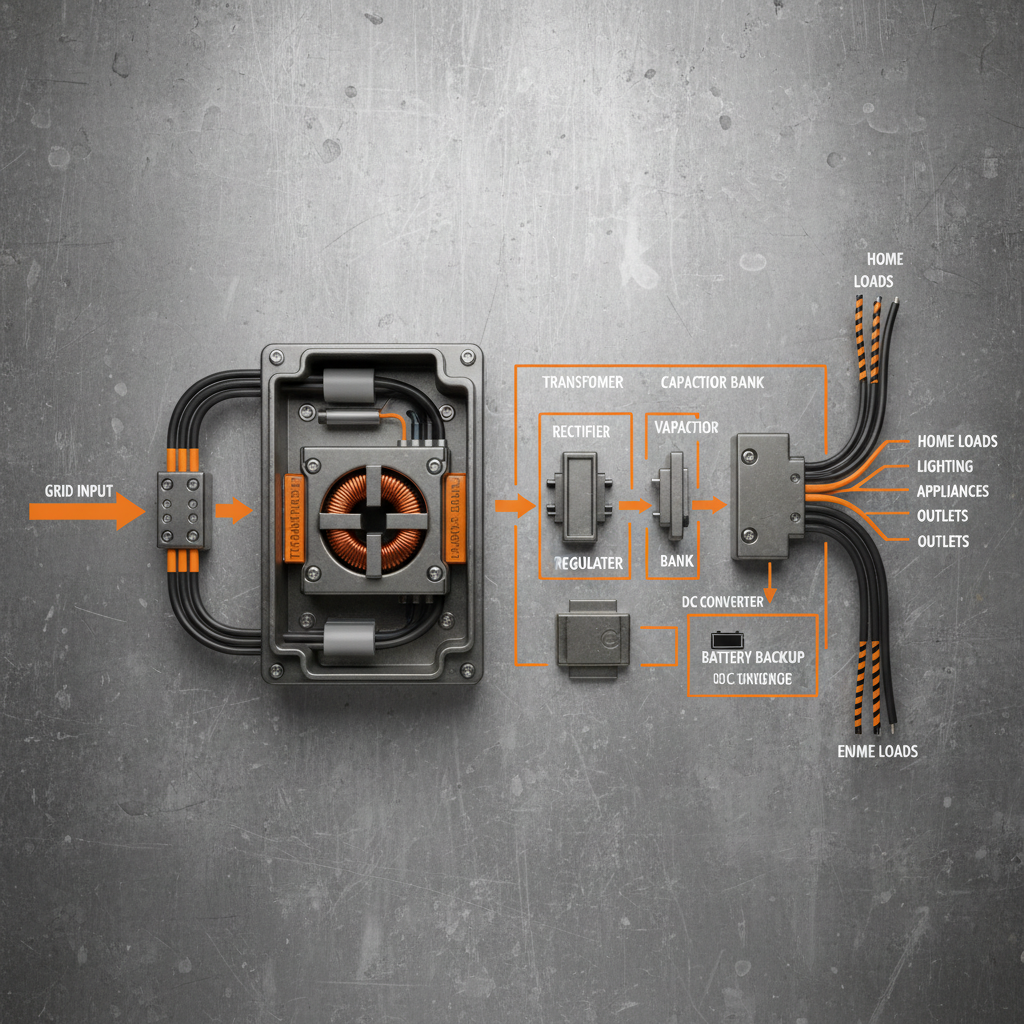
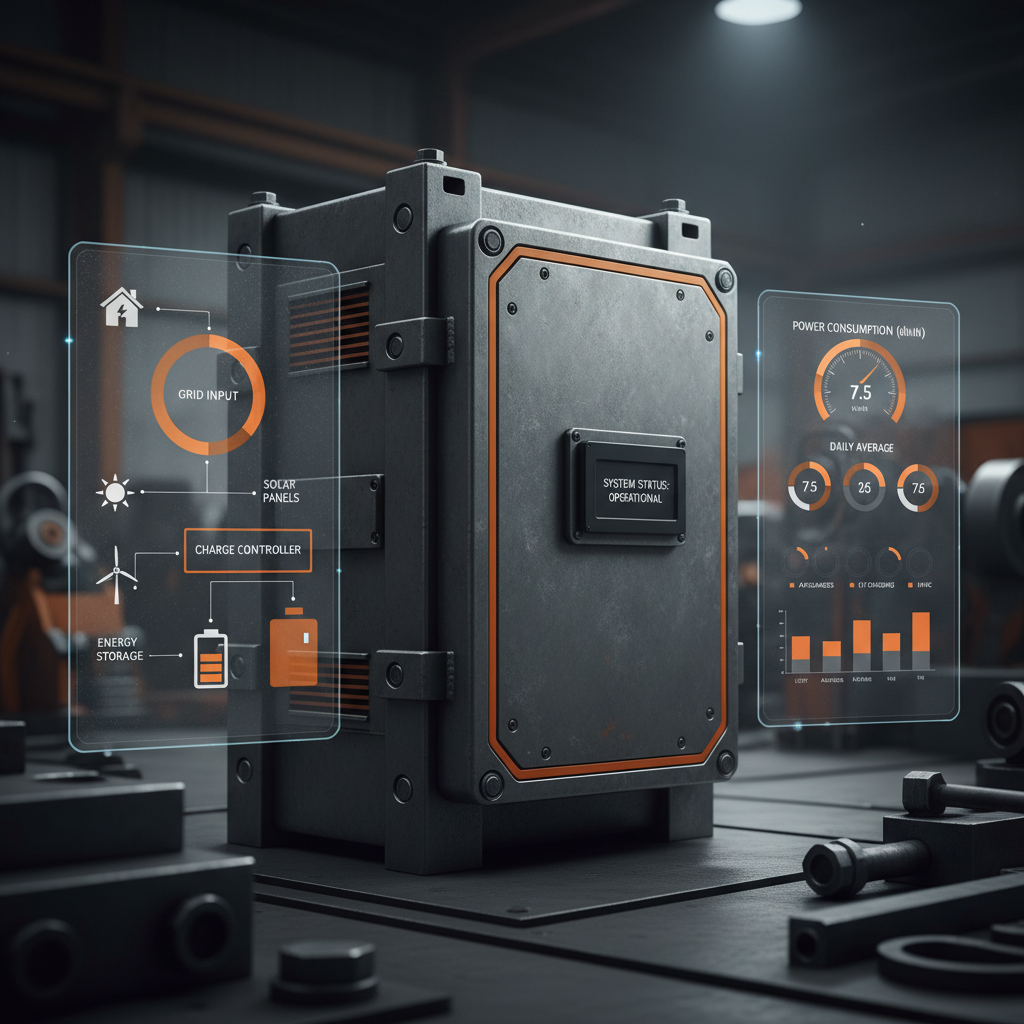
At its core, a home power supply provides electrical energy to power residential appliances, lighting, and other essential systems. Modern systems often integrate renewable energy sources like solar panels, coupled with energy storage solutions like batteries, to create a more sustainable and resilient power solution. The basic principle remains the same: converting energy into a usable form for your home.
The effective implementation of a home power supply requires careful consideration of energy consumption patterns, load requirements, and available resources. It’s not simply about replacing the grid; it’s about optimizing energy use and creating a system that meets the specific needs of the household, offering both reliability and cost savings.
The lifespan of a home power supply battery typically ranges from 5 to 15 years, depending on the battery type (lithium-ion, lead-acid, etc.), usage patterns, and maintenance. Lithium-ion batteries generally offer a longer lifespan and higher performance than lead-acid batteries, but come at a higher initial cost. Regular maintenance, such as keeping the batteries within optimal temperature ranges and avoiding deep discharges, can help maximize their lifespan.
The cost of a home power supply system varies widely based on size, complexity, and the components used. A basic backup power system with a limited battery capacity might cost between $2,000 and $5,000, while a fully off-grid system with significant storage can easily exceed $20,000. Costs include the inverter, batteries, charge controller, wiring, and installation labor. Government incentives and rebates can help offset some of these expenses.
Whether a home power supply system can run all your appliances depends on the system's capacity and your energy consumption patterns. High-power appliances like air conditioners, electric heaters, and certain kitchen appliances require significant energy and may not be compatible with smaller systems. Careful load analysis is essential to determine the system size needed to meet your energy demands. Prioritizing essential appliances during outages is also a good strategy.
Home power supply systems require regular maintenance to ensure optimal performance and longevity. This includes periodically cleaning solar panels, inspecting battery terminals for corrosion, checking wiring connections, and monitoring system performance through a smart monitoring system. Battery maintenance may involve checking electrolyte levels (for lead-acid batteries) and ensuring proper ventilation. Annual professional inspections are also recommended.
Many governments offer incentives for installing home power supply systems, including tax credits, rebates, and net metering programs. The availability and amount of these incentives vary by location. The federal tax credit in the United States, for example, can cover a significant portion of the system cost. Researching local and national incentives can significantly reduce the overall investment.
Net metering allows homeowners with home power supply systems to receive credit for excess electricity they send back to the grid. When your system generates more electricity than you need, the excess is fed back into the grid, and your electricity meter runs backward, reducing your electricity bill. The specific rules and rates for net metering vary by utility company and location. This effectively turns your system into a revenue-generating asset.
In conclusion, a home power supply represents a significant step towards energy independence, sustainability, and resilience. From reducing electricity bills and environmental impact to providing reliable power during emergencies, the benefits are compelling. Understanding the core components, key factors, and future trends is crucial for making informed decisions and maximizing the value of these systems.
Looking ahead, continued innovation in battery technology, coupled with supportive policies and increasing public awareness, will drive the widespread adoption of home power supply. This will not only empower individuals and communities but also contribute to a cleaner, more sustainable, and secure energy future for all. Visit our website today: www.acdcbess.com