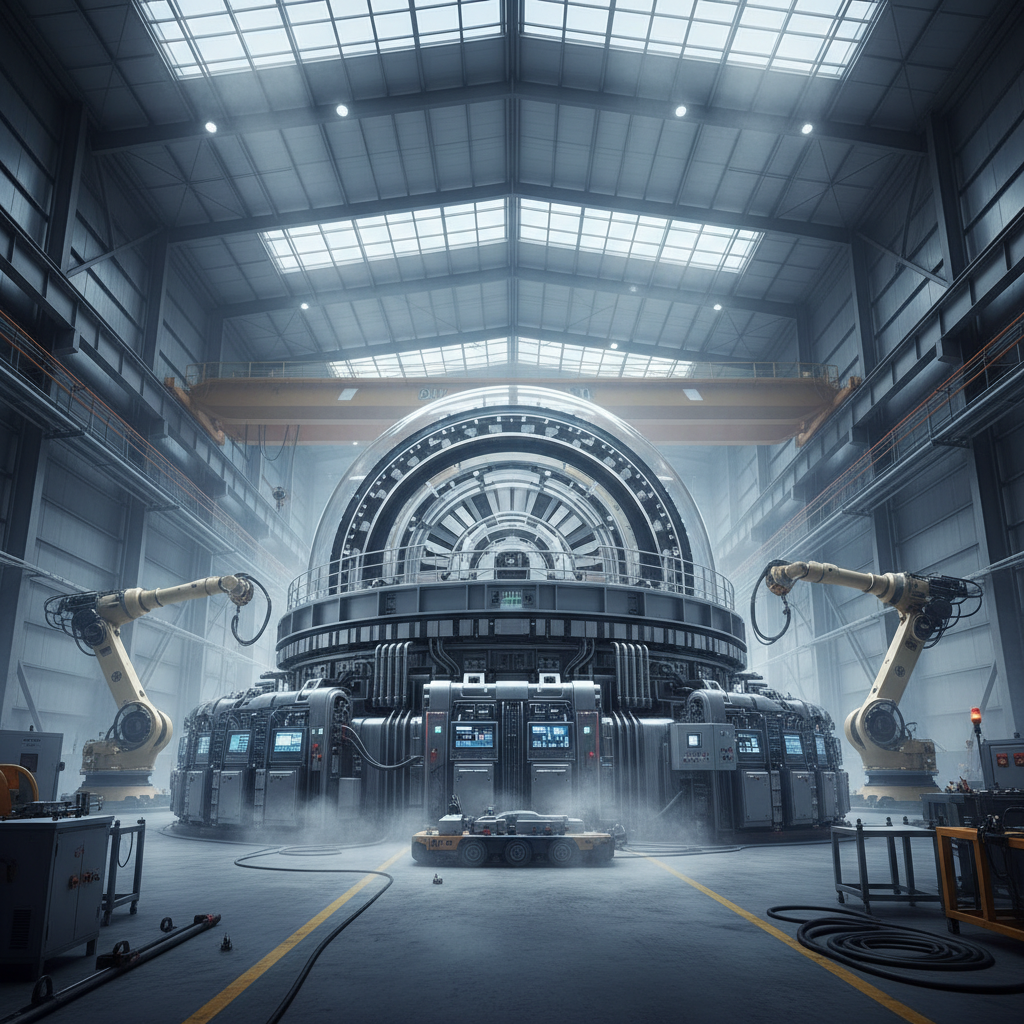
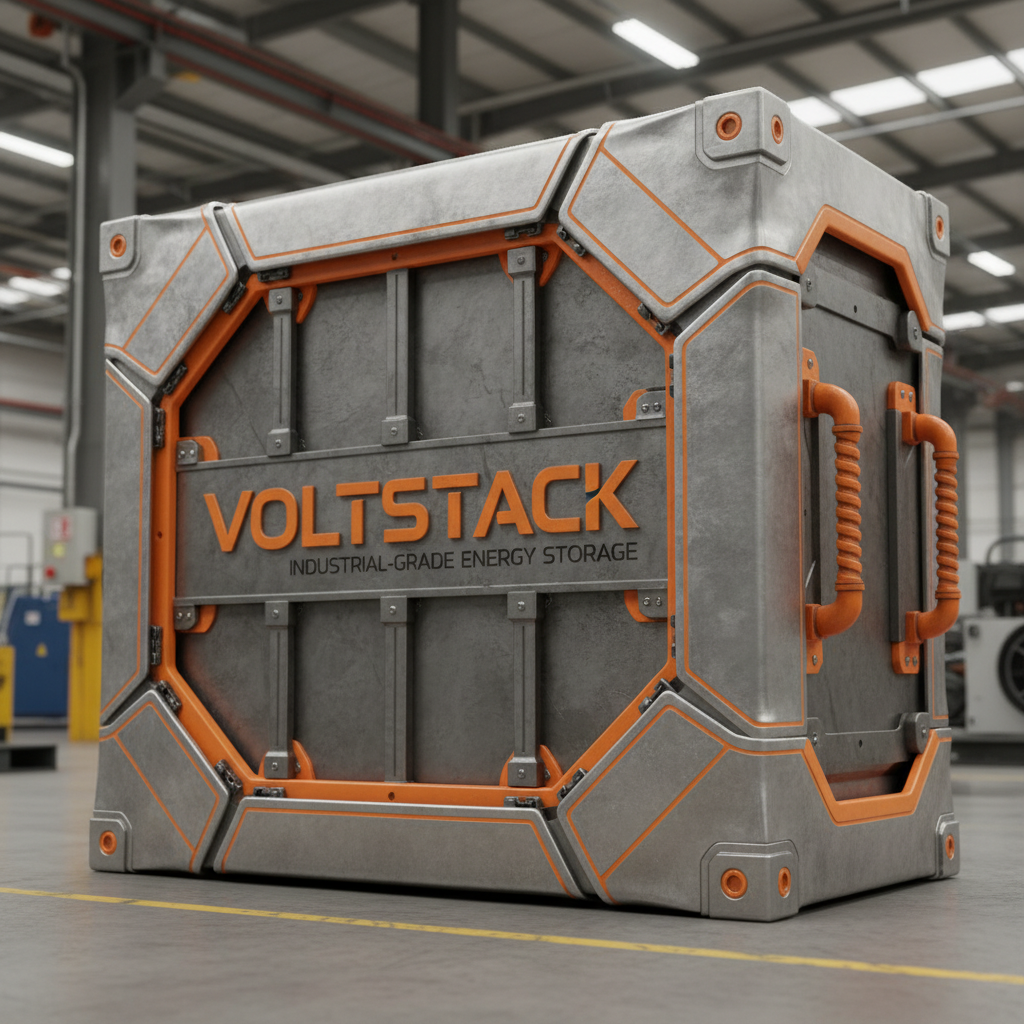
Mechanical energy storage is rapidly gaining recognition as a crucial component of modern energy systems. Its capacity to capture, hold, and release energy without direct conversion to other forms offers a unique advantage in a world increasingly focused on sustainable and reliable power solutions. This ability is vital for grid stabilization, peak shaving, and providing backup power, contributing to a more resilient and efficient energy infrastructure.
The global need for efficient and scalable energy storage is driven by the accelerating adoption of renewable energy sources like solar and wind. These intermittent sources require robust storage mechanisms to ensure a consistent power supply. The UN Sustainable Development Goal 7 – Affordable and Clean Energy – directly benefits from advancements in technologies like mechanical energy storage, paving the way for wider access to electricity and a reduction in carbon emissions. Statistics from the International Renewable Energy Agency (IRENA) demonstrate the exponential growth in renewable energy capacity, further underlining the demand for effective storage solutions.
Understanding mechanical energy storage is no longer limited to engineers and scientists. Its impact spans industries, from transportation and manufacturing to disaster relief and remote operations. The benefits are clear: reduced energy costs, increased grid reliability, and a lower environmental footprint. This knowledge is empowering businesses, governments, and individuals to make informed decisions about their energy future.
Introduction to mechanical energy storage
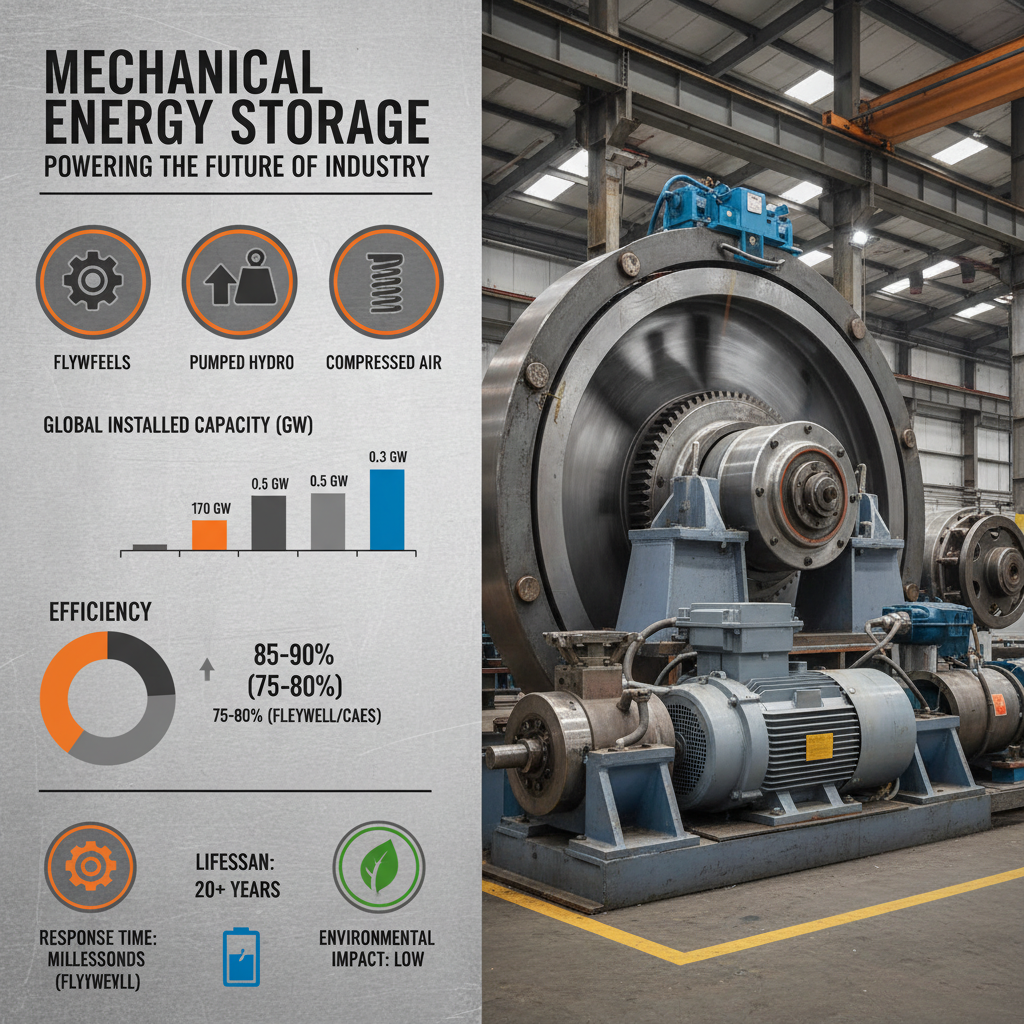
Mechanical energy storage encompasses a variety of technologies that utilize mechanical principles to store and release energy. Unlike electrochemical batteries, these systems often rely on physical motion or the deformation of materials. This can range from simple systems like pumped hydro storage to more advanced concepts like flywheel energy storage and compressed air energy storage. mechanical energy storage offers a compelling alternative, especially for large-scale applications where longevity and reduced environmental impact are paramount.
The appeal of mechanical energy storage lies in its potential for long lifespan, high cycle efficiency, and the use of readily available materials. Furthermore, many mechanical storage technologies have minimal degradation over time, unlike batteries which experience capacity fade. This makes them well-suited for grid-scale applications requiring decades of reliable operation, contributing to a more sustainable and economically viable energy future.
Global Relevance and Challenges
The global energy landscape is undergoing a significant transformation, driven by the urgent need to decarbonize and improve energy access. The rapid growth of renewable energy sources, coupled with the increasing demand for reliable power, necessitates innovative energy storage solutions. According to the World Bank, billions of people still lack access to electricity, and intermittent renewable energy sources are often unable to meet base load demand without effective storage. mechanical energy storage technologies play a critical role in bridging this gap.
However, the widespread adoption of mechanical energy storage faces several challenges. These include the geographical limitations of some technologies (e.g., pumped hydro requires suitable terrain), the initial capital costs associated with large-scale systems, and the need for ongoing maintenance and operational optimization. Overcoming these hurdles requires continued research and development, supportive policies, and innovative financing models.
Addressing these challenges is critical for unlocking the full potential of mechanical energy storage and accelerating the transition to a cleaner, more resilient energy future. International collaborations and knowledge sharing are essential for fostering innovation and driving down costs, ensuring that these technologies are accessible to all regions of the world.
Defining mechanical energy storage
Mechanical energy storage, in its simplest form, involves converting electrical energy into mechanical energy, storing it, and then converting it back to electrical energy when needed. This process leverages physical principles such as potential energy (in the case of pumped hydro and compressed air) or kinetic energy (in the case of flywheels). Unlike chemical batteries, which rely on electrochemical reactions, mechanical storage systems store energy through physical means.
The connection to modern industry and humanitarian needs is profound. From stabilizing power grids and enabling the integration of renewable energy sources to providing reliable power for disaster relief and remote communities, mechanical energy storage addresses critical energy challenges. For example, a flywheel system can provide instantaneous power backup for critical infrastructure, ensuring uninterrupted operation during grid outages.
Essentially, mechanical energy storage provides a tangible and often long-lasting solution to intermittent power challenges. It doesn't rely on rare earth materials or complex chemical processes, offering a more sustainable and resource-efficient approach to energy management.
Core Components of mechanical energy storage
One key factor is Durability. Mechanical systems, when designed and maintained correctly, can exhibit extremely long lifespans with minimal degradation compared to battery technologies. This translates to lower lifecycle costs and reduced environmental impact.
Another critical aspect is Scalability. Many mechanical storage technologies, such as pumped hydro and compressed air, can be scaled to very large capacities, making them suitable for grid-scale applications. This scalability allows them to effectively balance supply and demand across vast geographical areas.
Cost Efficiency is also paramount. While initial capital costs can be significant, the long lifespan and minimal maintenance requirements of many mechanical storage systems contribute to lower overall costs over the system's lifetime. Furthermore, the use of readily available materials can help mitigate supply chain risks.
Environmental Impact is a growing concern. Mechanical storage generally has a lower environmental footprint than battery technologies, particularly in terms of resource depletion and hazardous waste generation. The ability to utilize existing infrastructure (e.g., repurposed mines for compressed air storage) further enhances sustainability.
Response Time determines how quickly a system can deliver power. Flywheel systems, for instance, offer very fast response times, making them ideal for frequency regulation and grid stabilization. Pumped hydro, while offering large capacity, has a slower response time.
Finally, Energy Density—the amount of energy stored per unit volume or mass—is a critical metric. While generally lower than batteries, advancements in materials and design are constantly improving the energy density of mechanical storage systems.
Mechanical Energy Storage Technology Comparison
Global Applications and Use Cases
In post-disaster relief operations, mechanical energy storage systems, particularly mobile flywheel units, can provide immediate and reliable power to critical facilities such as hospitals and communication centers. This is especially vital in areas where the grid has been compromised or is unavailable.
In remote industrial zones, such as mining operations or offshore oil platforms, mechanical energy storage can reduce reliance on expensive and polluting diesel generators. Flywheel systems can capture energy from intermittent processes, providing a stable and sustainable power supply.
Furthermore, grid-scale pumped hydro storage projects are being implemented worldwide to enhance grid stability and integrate renewable energy sources. Countries like China, the United States, and Australia are leading the way in deploying these large-scale systems, demonstrating the growing demand for long-duration energy storage.
Advantages and Long-Term Value
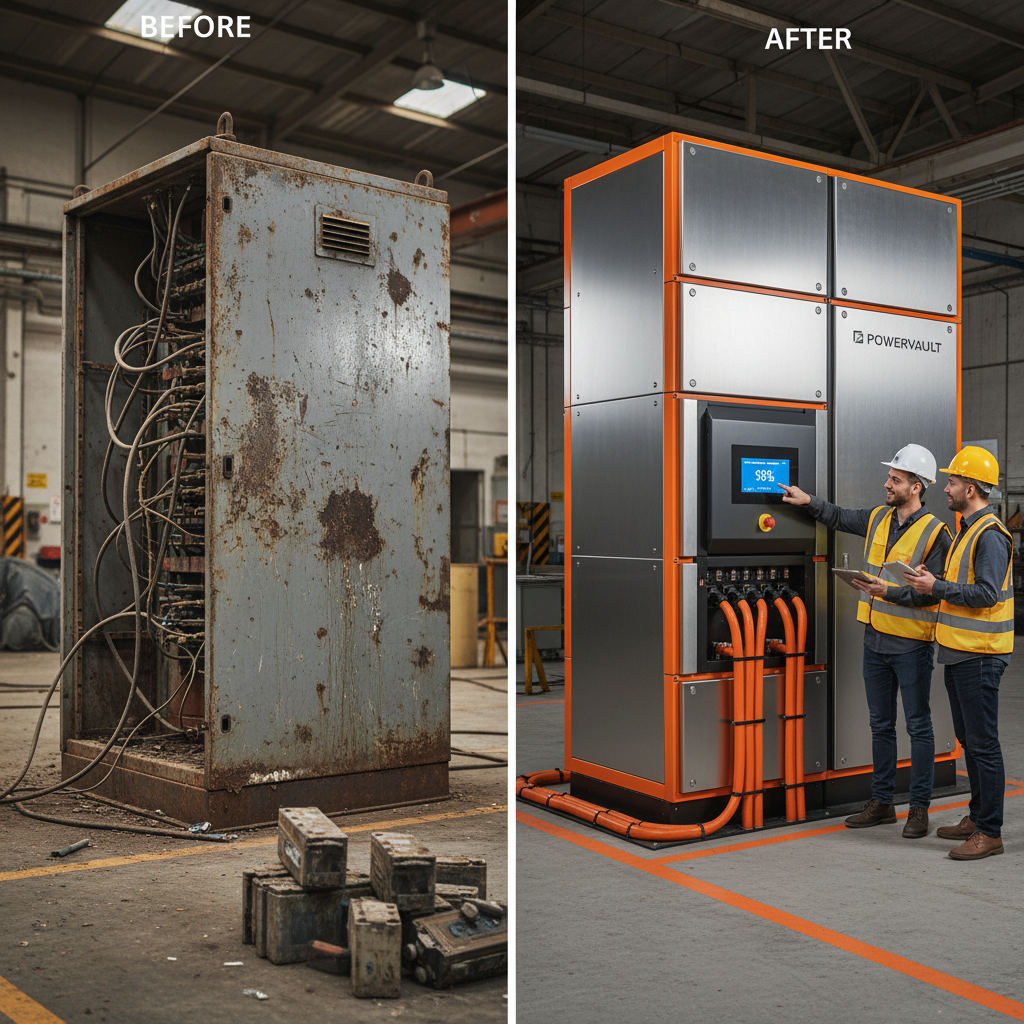
The tangible benefits of mechanical energy storage are substantial. Lower lifecycle costs, due to reduced maintenance and extended lifespan, translate to significant savings for operators. Sustainability is enhanced through the use of readily available materials and reduced environmental impact. Social impact is positive, providing reliable power to communities and supporting economic development.
Beyond the practical benefits, mechanical energy storage offers intangible value. The inherent safety of many systems, avoiding the flammable materials present in batteries, provides peace of mind. The reliability and longevity of these systems build trust with stakeholders and foster confidence in the energy infrastructure. The pursuit of innovation in mechanical energy storage drives technological advancements and creates new economic opportunities.
Future Trends and Innovations
The future of mechanical energy storage is brimming with innovation. Advanced materials, such as carbon fiber composites, are being used to enhance the performance and energy density of flywheels. Novel compressed air energy storage designs, utilizing underground caverns and adiabatic compression, are increasing efficiency and reducing costs.
Digital transformation is also playing a key role, with advanced control systems and predictive maintenance algorithms optimizing system performance and extending lifespan. Automation is streamlining operations and reducing labor costs. The convergence of mechanical energy storage with green energy initiatives and smart grid technologies promises a more sustainable and resilient energy future.
Policy support, such as tax incentives and renewable energy mandates, will further accelerate the adoption of mechanical energy storage. The increasing focus on decarbonization and energy security will continue to drive demand for these innovative solutions, making them a crucial component of the global energy transition.
Overview of Mechanical Energy Storage Technologies
The following table summarizes key considerations and characteristics of prevalent mechanical energy storage technologies. This comparison will aid in selecting appropriate solutions for specific applications, evaluating strengths and weaknesses, and guiding future research and development efforts.
This assessment considers not only technical aspects but also economic feasibility and environmental impact, offering a holistic perspective on the current state and potential of mechanical energy storage.
The evaluation covers key parameters such as capacity, efficiency, lifecycle cost, and geographic limitations, providing a comprehensive overview of each technology's suitability for various grid-scale and off-grid applications.
Summary of Key Characteristics of Mechanical Energy Storage Technologies
| Technology Type |
Capacity (MW) |
Round-Trip Efficiency (%) |
Geographical Constraints |
| Pumped Hydro Storage |
100 - 2000 |
70-85 |
Requires elevation difference and water source |
| Compressed Air Energy Storage (CAES) |
30 - 300 |
40-70 |
Requires suitable geological formations (salt caverns) |
| Flywheel Energy Storage |
1 - 20 |
70-90 |
Minimal; suitable for various locations |
| Rail Energy Storage |
1-10 |
60-80 |
Requires existing rail infrastructure and suitable gradients |
| Gravity Battery |
1-20 |
75-85 |
Requires substantial height and robust lifting mechanisms |
| Liquid Air Energy Storage (LAES) |
5-50 |
60-70 |
Requires cryogenic infrastructure and energy for liquefaction. |
FAQS
Mechanical energy storage often boasts a significantly longer lifespan and reduced degradation compared to batteries, leading to lower lifecycle costs. It also generally utilizes more readily available and less environmentally harmful materials. While energy density can be lower, the durability and scalability of mechanical systems make them ideal for large-scale, long-duration storage applications. Furthermore, certain mechanical systems exhibit faster response times and higher round-trip efficiencies than some battery chemistries.
While less common than batteries, certain mechanical energy storage solutions, like small-scale flywheel systems, can be adapted for residential use. However, cost and space requirements often make them less competitive compared to lithium-ion batteries for typical home energy storage needs. Future innovations in miniaturization and cost reduction may broaden their appeal for residential applications, but presently, they are more often deployed in commercial and industrial settings.
Maintenance requirements vary depending on the technology. Pumped hydro requires inspection and maintenance of dams and turbines. Compressed air storage necessitates monitoring of air compressors and caverns. Flywheels require bearing lubrication and rotational balance checks. Generally, mechanical systems have fewer consumable components than batteries, reducing maintenance frequency. However, preventative maintenance schedules are crucial for ensuring optimal performance and longevity.
Geographical location is a significant factor. Pumped hydro requires substantial elevation differences and access to water. Compressed air storage needs suitable geological formations like salt caverns. Gravity battery requires specific terrain. Flywheels, being less location-dependent, offer greater flexibility. Assessing site suitability and potential environmental impacts is a critical step in any mechanical energy storage project.
Several trends are driving down costs. Advanced materials like carbon fiber composites are improving efficiency and reducing weight. Innovations in system design, such as utilizing existing infrastructure (e.g., abandoned mines), are lowering capital expenditures. Digitalization and automation are optimizing operations and reducing labor costs. Increased deployment and economies of scale are also contributing to cost reductions, making mechanical storage more competitive.
Mechanical energy storage generally has a lower environmental impact than battery storage, especially concerning resource depletion and hazardous waste generation. Many systems utilize abundant materials and avoid the use of rare earth minerals. However, construction of large-scale systems, like pumped hydro, can have localized environmental effects, necessitating careful planning and mitigation strategies. Lifecycle assessments are crucial for comparing the overall environmental footprint of different storage technologies.
Conclusion
In conclusion, mechanical energy storage represents a vital and rapidly evolving component of the future energy landscape. Its inherent advantages – long lifespan, scalability, reduced environmental impact, and, in some cases, cost-effectiveness – position it as a key enabler of a sustainable and resilient energy system. From stabilizing power grids and integrating renewable energy sources to providing reliable power in remote locations and disaster relief scenarios, the applications of mechanical energy storage are vast and growing.
Looking ahead, continued innovation in materials, system design, and control technologies will further enhance the performance and affordability of mechanical energy storage. Supportive policies, increased investment, and collaborative research efforts are crucial for unlocking its full potential and accelerating its widespread adoption. Visit our website at www.acdcbess.com to learn more about how we are pioneering advancements in mechanical energy storage and shaping the future of energy.