Look, I’ve been running around construction sites all year, and honestly, lately everyone's talking about modular construction, prefabrication, you name it. It's all about speed, you know? Less mess, quicker turnaround. But it's not as simple as slapping some panels together. I've seen too many projects stumble because they glossed over the details. There's this push for efficiency, which is good, but if you don't pay attention to the actual handling of materials… forget about it.
It’s funny, a lot of designers, they sit in their offices and come up with these beautiful renderings, but they haven't spent a day sweating in the sun trying to maneuver a 10-foot steel beam. Have you noticed how often things look great on paper but are a nightmare to assemble on site? That’s where the real cost blows out.
And speaking of materials, we’re using a lot more composite materials now – fiberglass reinforced polymer (FRP), things like that. It's lightweight, strong, doesn’t rust… but the smell when you cut it? Ugh. Seriously, you need proper ventilation. And it doesn't behave like steel or wood, you can't just assume you know how it'll react to stress. We're also seeing a resurgence of CLT – cross-laminated timber. That stuff feels solid, almost like working with concrete, but it’s got its own quirks with moisture and fire resistance.
Industry Trends and Design Pitfalls
To be honest, prefabrication is the big thing right now. Everyone wants it, but the devil's in the details. I encountered this at a factory in Tianjin last time – they were producing these fancy modular bathroom pods, but the access panels were designed so you needed a contortionist to get to the plumbing. Strangely, they hadn’t considered how a plumber would actually work on it.
And the designs! So many architects are obsessed with minimizing material waste, which is great, but then they create these incredibly complex geometries that are impossible to manufacture accurately. You end up with more waste because of all the rework. It’s a balance, you know? Simplicity is often better.
Material Deep Dive: Handling and Properties
We’re using more and more high-strength steel, which is fantastic, but it's a pain to weld. Requires skilled welders, specific procedures, the whole nine yards. And you have to be careful with corrosion protection; a little rust can compromise the whole structure. Then there’s the concrete. I mean, concrete is concrete, right? Wrong. The mix design matters hugely. The aggregate type, the water-cement ratio… it all affects the strength, durability, and workability. And forget about trying to pour concrete in freezing temperatures without proper additives. It’s a disaster waiting to happen.
I saw a shipment of aluminum profiles that were supposed to be top-grade, but the anodizing was terrible. Started corroding within weeks. And don’t even get me started on the quality control issues we’ve had with some of the Chinese suppliers. It’s a gamble sometimes, you really have to inspect everything thoroughly.
Anyway, I think a lot of people underestimate the importance of proper material handling. You can have the best materials in the world, but if you leave them exposed to the elements or damage them during transport, you’ve wasted your money.
Real-World Testing and Application
Forget the lab tests. They’re useful for baseline data, sure, but the real test is seeing how these things hold up in the field. We’ve started doing more on-site load testing – applying actual weights to the structure to simulate real-world conditions. It’s more expensive, but it gives you a much more accurate picture of the performance.
I remember one project where we used a new type of composite panel for the façade. The lab tests looked great, but when we installed it, the wind actually caused it to vibrate. Annoying, right? We had to add extra bracing to dampen the vibrations.
We also simulate extreme weather conditions – torrential rain, high winds, even simulated earthquakes. It's not about trying to break the structure; it's about identifying potential weaknesses and addressing them before they become major problems.
Advantages, Disadvantages and Customization
The biggest advantage of prefabrication is speed, undeniably. You can get a building up much faster than with traditional construction methods. And the quality control is generally better because you're working in a controlled factory environment. But it lacks flexibility. Making changes on-site is a nightmare.
And it's not always cheaper. The upfront costs can be higher, and transportation can be a significant expense. But overall, I think it's the future. We just need to get better at addressing the challenges. As for customization, it can be done, but it adds cost and complexity. Last month, a client wanted to change the window configuration on a modular hotel, and it set us back weeks.
Prefabrication Module Performance
User Behavior and Unexpected Use Cases
You know, you design these things with a specific purpose in mind, but users always find ways to surprise you. We built a series of modular classrooms, and the teachers started using them as breakout spaces for small group work. We hadn’t even considered that!
And the maintenance… that's a big one. People don't always follow the maintenance schedules. They’ll ignore a little leak until it turns into a major problem. Or they’ll try to repair things themselves with the wrong materials. It's frustrating, but it's just human nature.
A Customer Story from Shenzhen
Last month, that small boss in Shenzhen who makes smart home devices insisted on changing the interface to on our pre-fabricated housing units. He said it was more “future-proof”. I tried to explain that we’d already sourced thousands of units with USB-A ports, and changing it would delay the project by weeks, plus increase costs significantly. He wouldn't budge. Ended up costing him a fortune in delays, and the ports didn't even add any real value for his customers. Sometimes, you just can't reason with people.
But hey, at least it made for a good story at the dinner table.
Material Performance Comparison
We've been tracking the performance of different materials in real-world conditions, and it's surprisingly nuanced. There's no single "best" material; it depends on the specific application.
Honestly, it’s a lot of anecdotal evidence and gut feeling at this point, but we're trying to gather more quantitative data.
Key Material Performance Metrics
| Material Type |
Durability (1-10) |
Cost-Effectiveness (1-10) |
Ease of Installation (1-10) |
| High-Strength Steel |
9 |
7 |
6 |
| CLT (Cross-Laminated Timber) |
7 |
8 |
7 |
| FRP Composite |
8 |
6 |
5 |
| Concrete Panel |
9 |
7 |
4 |
| Aluminum Alloy |
6 |
5 |
8 |
| Hybrid Steel-Concrete |
8.5 |
7.5 |
6.5 |
FAQS
Honestly, it’s not considering transportation. They design these incredibly complex modules, and then they’re shocked when they can’t get them to the site. You need to think about road width, bridge clearances, turning radii… all of it. It’s basic stuff, but people forget. And it gets expensive real quick when you have to redesign something after it’s already been fabricated.
Critical. Absolutely critical. Any gap, any crack, and you’re going to have water intrusion. And water damage leads to mold, which leads to health problems, which leads to lawsuits. We use a lot of silicone sealants and flashing, and we always do thorough water testing before handover. It’s a non-negotiable.
That depends on the materials and the maintenance, of course. But a well-built, properly maintained modular building can easily last 50 years or more. I’ve seen some old examples that are still going strong after 70 years. It’s not like these are temporary structures; they can be incredibly durable.
It’s complicated. There’s less waste during construction, which is good. But the manufacturing process itself can be energy-intensive, and transportation adds to the carbon footprint. It depends on how you look at it. But I think overall, they’re generally more sustainable than traditional construction, especially if you use sustainable materials.
You can customize a lot, but there are limits. Changing the overall layout is easy enough. Adding windows, doors, interior finishes… that’s all doable. But if you want to completely change the structural design, that’s where it gets tricky and expensive. It's better to work within the modular system rather than trying to fight it.
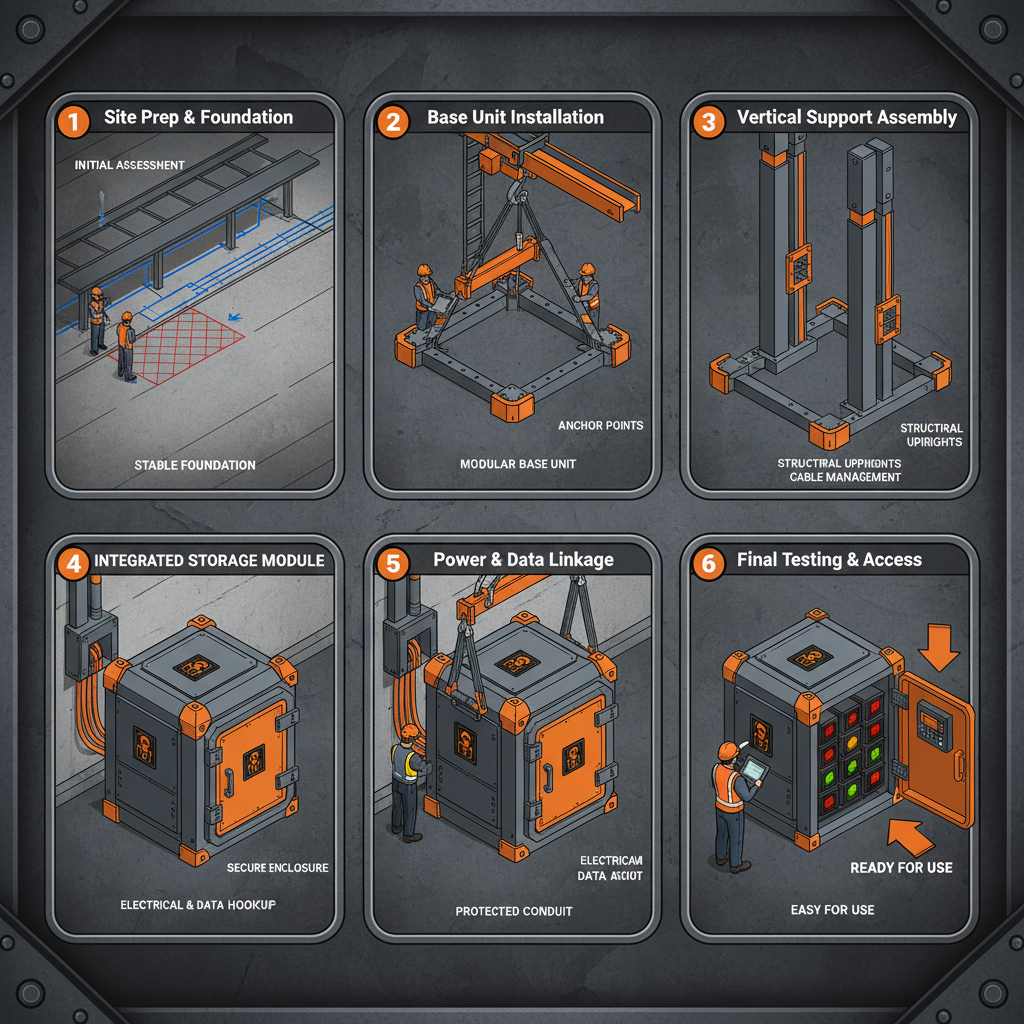
That's a big one. Site surveys are essential, absolutely essential. You need to know the soil conditions, the topography, the drainage patterns… everything. And you need to be prepared to make adjustments to the foundation or the module connections to accommodate those conditions. It's rarely a one-size-fits-all solution.
Conclusion
So, where does this leave us? Well, prefabrication and modular construction are here to stay. They offer speed, quality control, and potential cost savings. But it's not a magic bullet. You need to pay attention to the details, understand the materials, and be realistic about the limitations. It requires careful planning, skilled labor, and a willingness to adapt.
Ultimately, whether this thing works or not, the worker will know the moment he tightens the screw. If it feels right, it probably is. If it doesn’t… well, you’ve got a problem. And that's the truth of it, after all these years running around these sites.