
0%

Table of Contents

Traffic light storage integration - bus station represents a critical convergence of urban infrastructure and emergency preparedness. As cities globally grapple with increasing population density and the growing threat of climate-related disasters, the need for resilient and adaptable public spaces becomes paramount. This integration leverages existing infrastructure – bus stations – to create secure, readily available storage solutions for essential supplies, effectively transforming transit hubs into vital logistical nodes during crises. The potential benefits extend beyond disaster response, enhancing daily operational efficiency and community safety.

The importance of traffic light storage integration - bus station is underscored by the rising frequency of extreme weather events and the increasing strain on emergency services. Globally, bus stations are strategically located and often serve as central points of access during disruptions to transportation networks. Integrating secure storage within these locations allows for rapid deployment of aid, supplies, and even temporary shelter materials, minimizing response times and maximizing impact. This proactive approach is increasingly vital in a world facing unprecedented challenges to urban resilience.

Understanding this concept isn’t just for emergency planners; it's for urban designers, transportation authorities, and policymakers seeking innovative solutions to improve urban safety and resource management. The efficient and cost-effective use of existing infrastructure offers a significant advantage in building more resilient communities, ultimately contributing to a higher quality of life for citizens and streamlined response during critical situations.
Traffic Light Storage Integration Bus Station for Enhanced Urban Resilience

Introduction: Global Context

Traffic Light Storage Integration Bus Station for Enhanced Urban Resilience

According to the United Nations, over half the world’s population lives in urban areas, a number projected to reach 68% by 2050. This rapid urbanization intensifies the vulnerabilities of cities to natural disasters and other crises, demanding innovative solutions for disaster preparedness and resource management. Traffic light storage integration - bus station directly addresses this challenge by repurposing existing infrastructure to provide readily accessible storage for essential supplies, offering a cost-effective and efficient approach to bolstering urban resilience.

The World Bank highlights the significant economic impact of disasters, with losses often exceeding national budgets in developing countries. Effective disaster response is crucial not only for saving lives but also for minimizing economic disruption and promoting sustainable development. Integrating secure storage into bus stations, strategically positioned throughout urban networks, can significantly reduce response times and ensure the timely delivery of critical aid, thereby mitigating the economic consequences of disasters.

Defining Traffic Light Storage Integration

Traffic light storage integration - bus station refers to the strategic incorporation of secure storage spaces within existing bus station infrastructure. This isn't simply about adding containers; it’s about intelligently utilizing unused or underutilized areas – beneath seating, behind service counters, or within dedicated compartments – to house essential supplies. These supplies can range from first aid kits and emergency food rations to communication equipment and temporary shelter materials.

The concept directly responds to the increasing need for localized resource availability in emergency situations. Rather than relying solely on centralized warehouses and lengthy supply chains, this integration creates decentralized “nodes” of preparedness within the urban landscape. This distributed approach ensures that supplies are readily accessible to those who need them most, even when transportation networks are disrupted.

This integration ties directly into modern approaches to urban resilience and disaster risk reduction, aligning with international standards like the Sendai Framework for Disaster Risk Reduction 2015-2030, which emphasizes the importance of building back better and strengthening preparedness at all levels. It also supports the concept of 'smart cities,' by leveraging existing resources in a technologically advanced way to improve public safety.

Key Components for Effective Integration

Security: Robust locking mechanisms, access control systems, and surveillance technology are paramount to safeguarding stored supplies from theft or unauthorized access. Integrating these security measures seamlessly into the bus station's existing infrastructure is key to maintaining operational efficiency. The design should also incorporate tamper-evident features to ensure the integrity of the stored goods.

Accessibility: Storage locations must be easily accessible to authorized personnel during emergencies, without impeding normal bus station operations. Clear signage, well-maintained access points, and organized storage systems are vital. Careful consideration must be given to ensuring that storage spaces do not obstruct pedestrian flow or interfere with emergency evacuation routes.

Durability: Storage units must be constructed from durable, weather-resistant materials capable of withstanding harsh environmental conditions and potential damage. The ability to protect supplies from moisture, extreme temperatures, and pests is essential for maintaining their usability over time. Regular inspection and maintenance are crucial for ensuring the long-term integrity of the storage infrastructure.

Real-World Applications & Use Cases

In post-disaster relief operations, traffic light storage integration - bus station can provide immediate access to essential supplies, like water purification tablets, first-aid kits, and temporary shelter materials, in areas where access is limited. This is especially critical in the immediate aftermath of earthquakes, hurricanes, or floods when traditional supply chains are disrupted. The bus station serves as a central distribution point, streamlining aid delivery to affected communities.

In remote industrial zones or areas prone to seasonal weather events, integration provides a localized source of emergency supplies for workers and residents. This could include cold-weather gear, emergency communication devices, or specialized equipment for dealing with specific hazards. This reduces reliance on external support and improves overall safety.

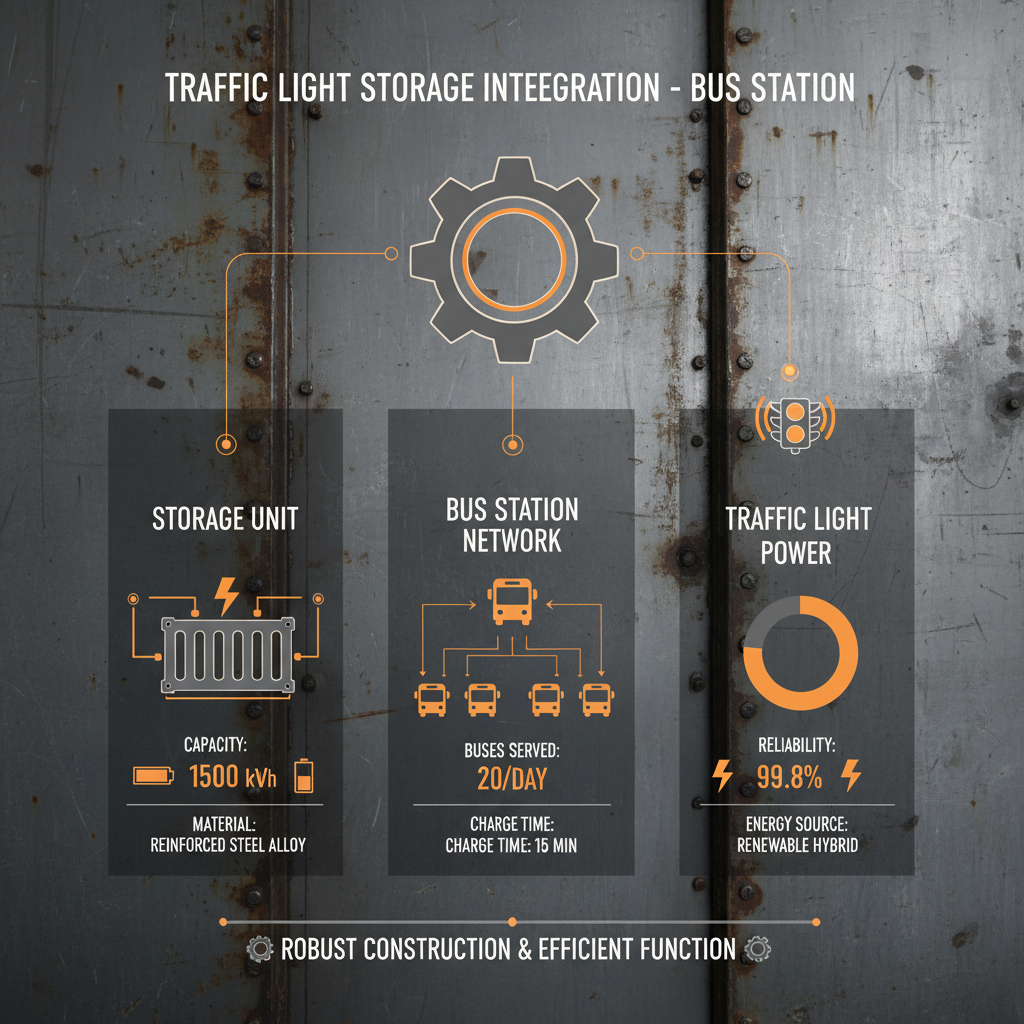
Traffic Light Storage Integration - Bus Station: Component Performance


Advantages and Long-Term Value

The cost-effectiveness of traffic light storage integration - bus station is a significant advantage. Utilizing existing infrastructure minimizes capital expenditure compared to constructing dedicated storage facilities. Furthermore, reduced transportation costs associated with localized supply distribution contribute to long-term savings. The increased efficiency in disaster response translates to minimized economic losses and faster community recovery.

From a sustainability perspective, the integration promotes responsible resource utilization by repurposing existing assets. This aligns with broader urban sustainability goals and reduces the environmental footprint associated with new construction. The enhanced preparedness it fosters contributes to community resilience, improving the quality of life for residents and fostering a sense of security.

Future Trends and Innovations

The integration of smart technologies, such as IoT sensors for monitoring storage conditions (temperature, humidity, security) and real-time inventory management, will significantly enhance the effectiveness of traffic light storage integration - bus station. Data analytics can be used to optimize supply levels and predict potential shortages.

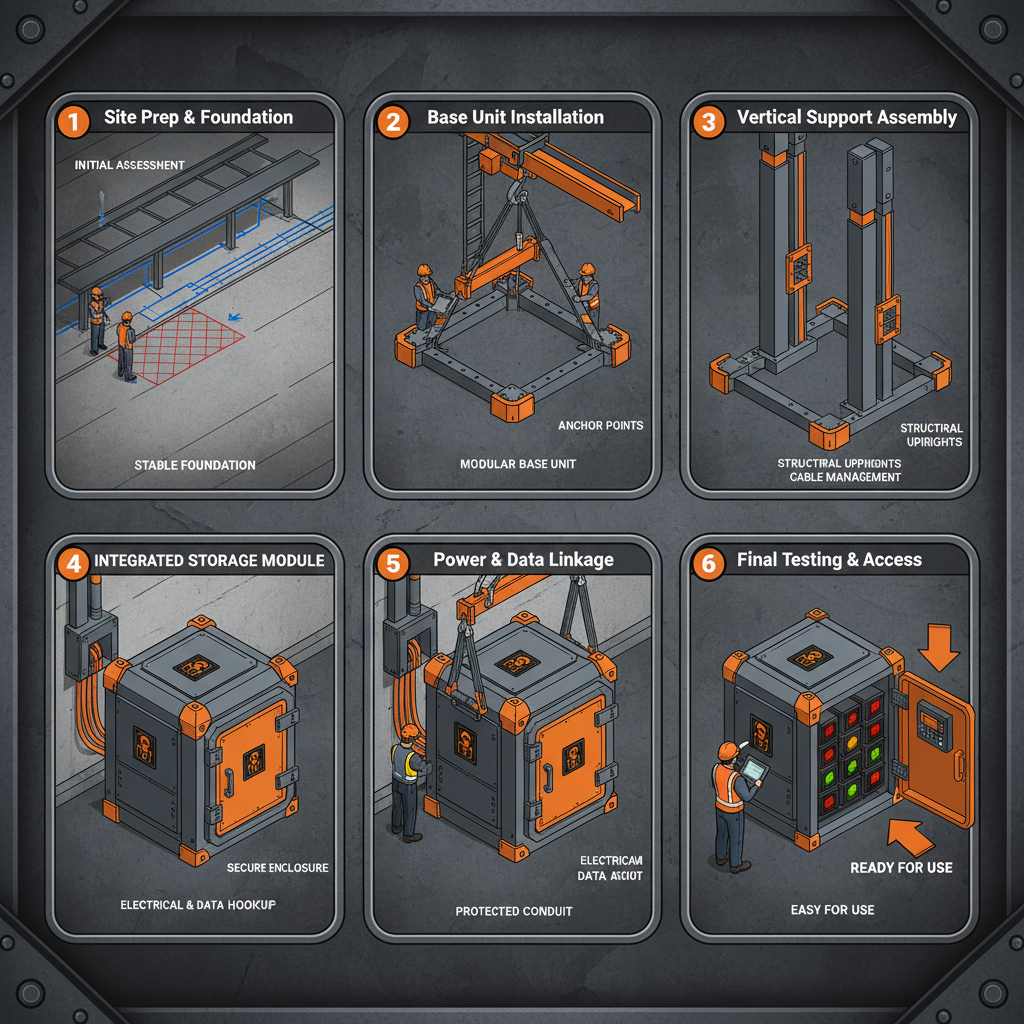
The use of modular and rapidly deployable storage units, constructed from sustainable materials, is another emerging trend. These units can be easily adapted to different bus station configurations and quickly deployed during emergencies. Advancements in energy storage, potentially leveraging renewable energy sources integrated into bus stations, could power essential equipment stored within these units.

Challenges and Solutions

One common challenge is navigating regulatory hurdles and obtaining the necessary permits for modifying existing bus station infrastructure. Clear communication and collaboration with transportation authorities and local governments are essential. Developing standardized design guidelines and best practices can streamline the approval process.

Another challenge is ensuring ongoing maintenance and regular inventory checks to guarantee the usability of stored supplies. Establishing clear responsibilities and allocating dedicated resources for maintenance is crucial. Implementing a digital inventory management system with automated alerts for expiring supplies can help prevent waste and ensure readiness.

Addressing potential space constraints within bus stations requires creative design solutions. Utilizing vertical space, incorporating modular storage systems, and optimizing the layout of existing facilities can maximize storage capacity without disrupting normal operations. Careful planning and collaboration with bus station operators are essential for successful integration.

FAQS

How does traffic light storage integration - bus station compare to traditional centralized emergency supply depots?

Traffic light storage integration - bus station offers a distinct advantage over centralized depots due to its decentralized nature. Centralized depots often face accessibility issues during emergencies, particularly if transportation networks are compromised. Bus stations, strategically located throughout urban areas, provide readily available supplies closer to the point of need, minimizing response times and improving accessibility. Furthermore, the cost of establishing and maintaining a network of integrated storage at bus stations can be lower than a large, centralized facility.

What types of supplies are best suited for storage within bus stations?

Ideal supplies include those needed for immediate response to common emergencies: first aid kits, non-perishable food and water, emergency blankets, communication devices (radios, satellite phones), portable lighting, and basic shelter materials (tarps, rope). Supplies should be lightweight, durable, and easily transportable. Prioritizing items that address the specific hazards prevalent in the region is also important (e.g., cold-weather gear in colder climates).

How can the security of stored supplies be ensured?

Robust security measures are crucial. This includes installing high-quality locking mechanisms on storage units, implementing access control systems (e.g., keycard access or biometric authentication), and integrating surveillance cameras to monitor storage areas. Regular security audits and maintenance of security equipment are essential. Collaboration with local law enforcement can also enhance security measures.

What are the key considerations when selecting a bus station for integration?

Factors to consider include the bus station’s location (accessibility during emergencies), structural integrity, available space, existing security measures, and proximity to vulnerable populations. Stations with robust existing infrastructure and minimal disruption potential are preferred. Assessing the station's vulnerability to specific hazards (e.g., flooding, earthquakes) is also critical.

Is traffic light storage integration - bus station a viable option for smaller municipalities with limited budgets?

Yes, it is. The cost-effectiveness of utilizing existing infrastructure makes it particularly attractive for smaller municipalities. A phased implementation approach, starting with a pilot project at a single bus station, can minimize initial investment and allow for refinement of the integration process. Seeking grants and partnerships with non-profit organizations can also help offset costs.

How often should supplies be inventoried and replaced?

Supplies should be inventoried at least twice a year, and more frequently if possible. Perishable items (food, water, medications) should be replaced regularly, ensuring they are within their expiration dates. A digital inventory management system with automated expiration alerts can significantly streamline this process. Regular inspections should also be conducted to assess the condition of storage units and security equipment.

Conclusion

Traffic light storage integration - bus station offers a practical, cost-effective, and sustainable solution to enhance urban resilience and improve disaster preparedness. By strategically leveraging existing infrastructure, this approach provides readily accessible supplies, minimizes response times, and strengthens community safety. It represents a proactive shift from reactive disaster management to a more resilient and preventative approach.

Looking ahead, the integration of smart technologies and sustainable materials will further enhance the effectiveness and long-term value of this concept. Continued collaboration between transportation authorities, emergency planners, and local governments is essential for widespread adoption and successful implementation. Visit our website at www.acdcbess.com to learn more about implementing traffic light storage integration - bus station in your community.
David Miller

David Miller

David Miller is a seasoned Energy Storage Systems Engineer at Suzhou ACDC New Energy Technology, leading the integration of battery management systems (BMS) into our C&I solutions. With over 15 years of experience in power electronics and a deep understanding of lithium-ion battery technology, David focuses on optimizing system performance
Previous Advancements in Mechanical Energy Storage for a Sustainable Future
Next The Vital Role of an Energy Storage Manufacturer in a Sustainable Future