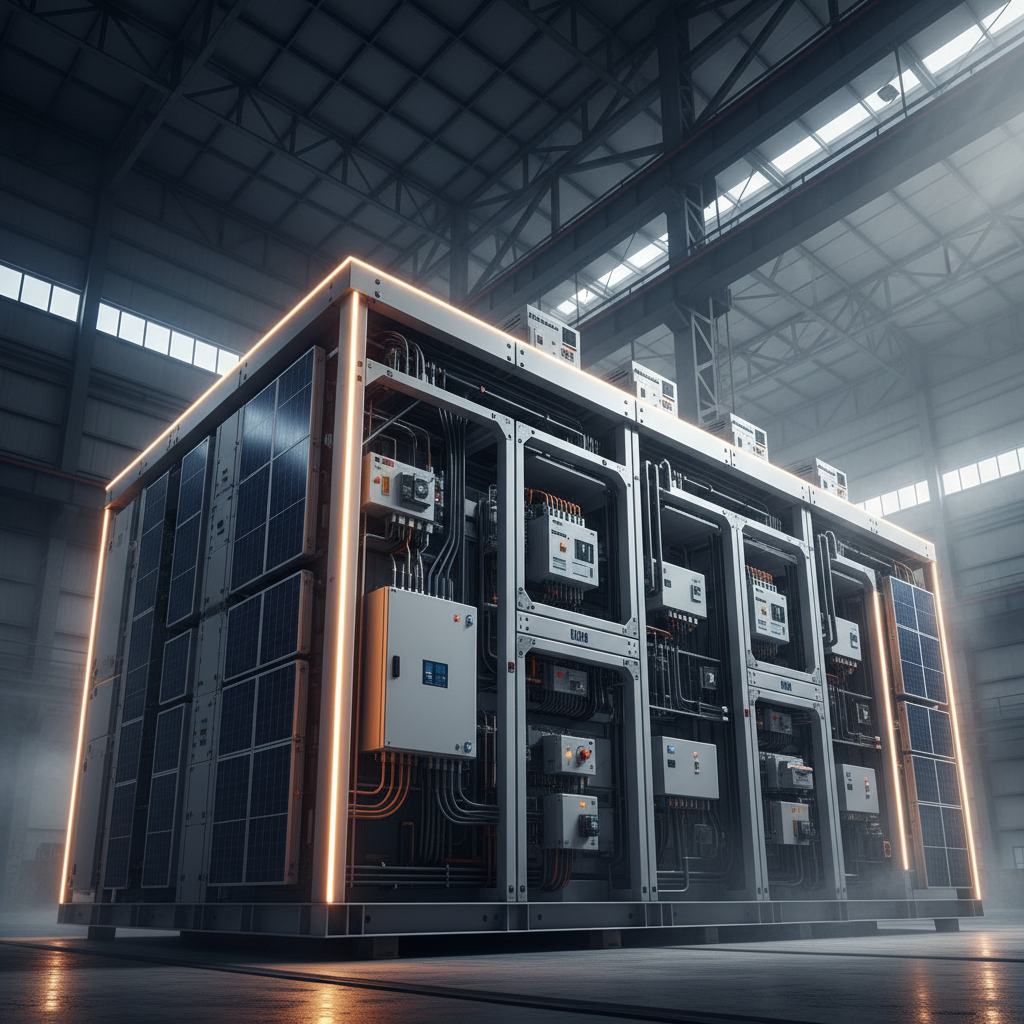
The concept of a community light storage system scheme is rapidly gaining prominence as a crucial element in modern infrastructure, particularly in areas facing energy access challenges and the need for resilient power solutions. This scheme focuses on localized energy generation, storage, and distribution, empowering communities to manage their own energy resources sustainably. Understanding its intricacies is vital for addressing global energy poverty, enhancing grid stability, and fostering economic development. This approach is particularly relevant in the context of increasing climate change impacts and the urgent need to transition towards renewable energy sources.
Globally, approximately 733 million people still lack access to electricity, hindering socioeconomic progress and contributing to health issues. Traditional centralized grid extensions can be prohibitively expensive and time-consuming, especially in remote and geographically challenging regions. The community light storage system scheme offers a viable alternative, providing localized power and reducing reliance on fossil fuels. Initiatives supported by organizations like the UN and World Bank are increasingly incorporating these systems into their development programs.
A well-designed community light storage system scheme isn't just about providing electricity; it's about fostering community ownership, creating local jobs, and building a more sustainable future. This decentralized model represents a paradigm shift in how we approach energy access, promoting self-reliance and resilience. Exploring the components and practical applications of such schemes is essential for stakeholders involved in sustainable development and energy planning.
Introduction to Community Light Storage System Scheme
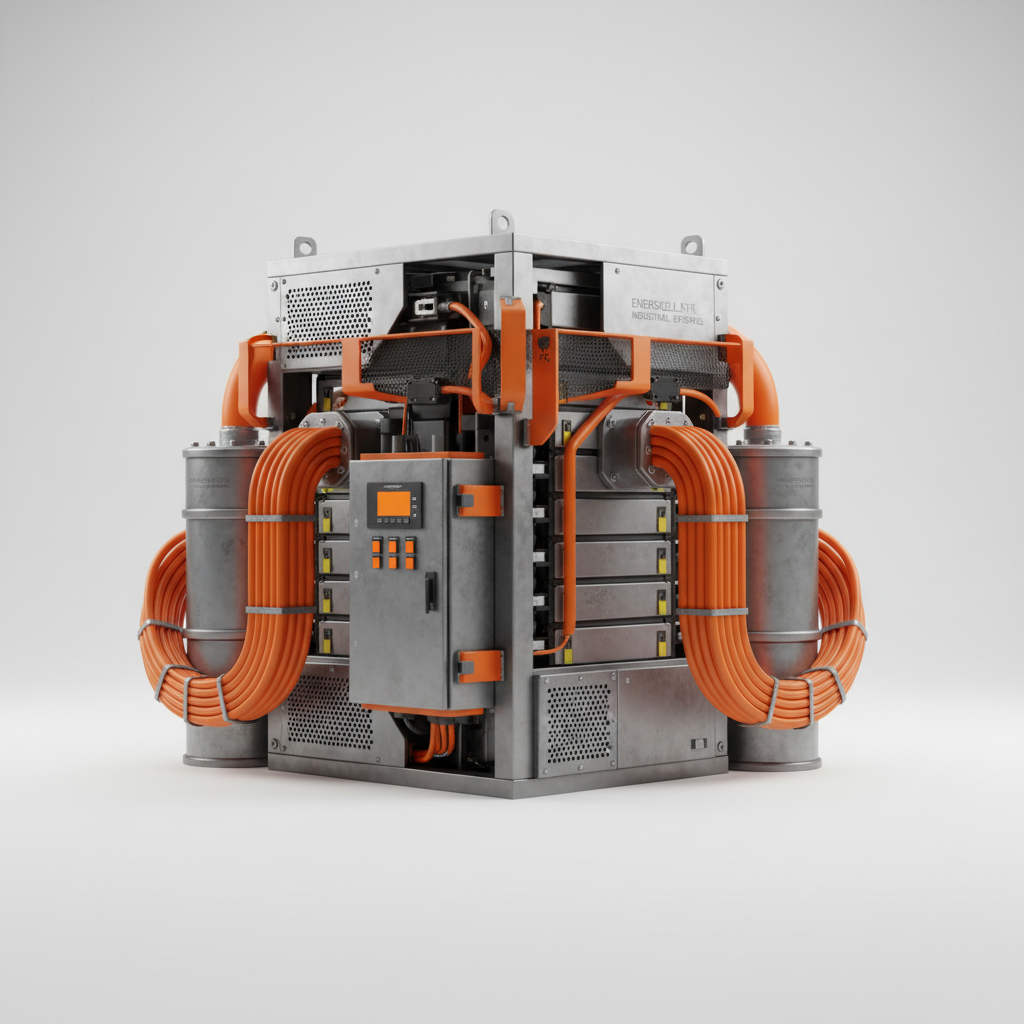
A community light storage system scheme, at its core, is a localized energy infrastructure designed to provide reliable and sustainable power to a defined community. It typically integrates renewable energy sources like solar or wind with energy storage solutions, such as batteries, to ensure continuous power availability even when the primary source is intermittent. The goal is to enhance energy independence and minimize environmental impact.
These schemes are becoming increasingly popular due to their scalability and adaptability. They can range from small microgrids serving a few households to larger systems powering entire villages or industrial zones. The increasing affordability of renewable energy technologies and energy storage solutions is making the community light storage system scheme a financially viable option for many communities worldwide.
Global Relevance and Context
The global energy landscape is undergoing a profound transformation, driven by the need to reduce carbon emissions and expand energy access. The International Energy Agency (IEA) estimates that nearly 600 million people will still lack access to electricity by 2030 without significant investment in decentralized energy solutions. This highlights the urgent need for innovative approaches like the community light storage system scheme.
Furthermore, the increasing frequency and intensity of extreme weather events, exacerbated by climate change, are disrupting centralized power grids, leaving communities vulnerable to prolonged outages. Decentralized energy systems, such as community light storage system schemes, offer greater resilience by providing a backup power source during emergencies. This is particularly crucial in disaster-prone regions.
The United Nations Sustainable Development Goal 7 (SDG 7) – Affordable and Clean Energy – emphasizes the importance of ensuring access to affordable, reliable, sustainable, and modern energy for all. The community light storage system scheme directly contributes to achieving this goal by providing communities with a sustainable and economically viable energy solution.
Defining Community Light Storage System Scheme
A community light storage system scheme is a self-contained energy system designed to meet the electricity needs of a localized community. Unlike traditional centralized power grids, it relies on distributed generation, typically from renewable sources, and integrates energy storage to ensure a stable and reliable power supply. It involves the active participation of the community in managing and maintaining the system.
The connection to modern industry and humanitarian needs is significant. Industries in remote locations benefit from a reliable power source without the expense of extending grid infrastructure. In humanitarian contexts, these systems provide immediate electricity for essential services such as healthcare, education, and communication in disaster relief or refugee camps. This is a vital tool to improve lives.
The scheme often incorporates smart grid technologies, allowing for efficient energy management and optimized resource utilization. The system’s design prioritizes sustainability, reducing carbon footprints and promoting energy conservation. Crucially, a successful community light storage system scheme is not just about the technology; it's about empowering the community to take control of its energy future.
Core Components of the Scheme
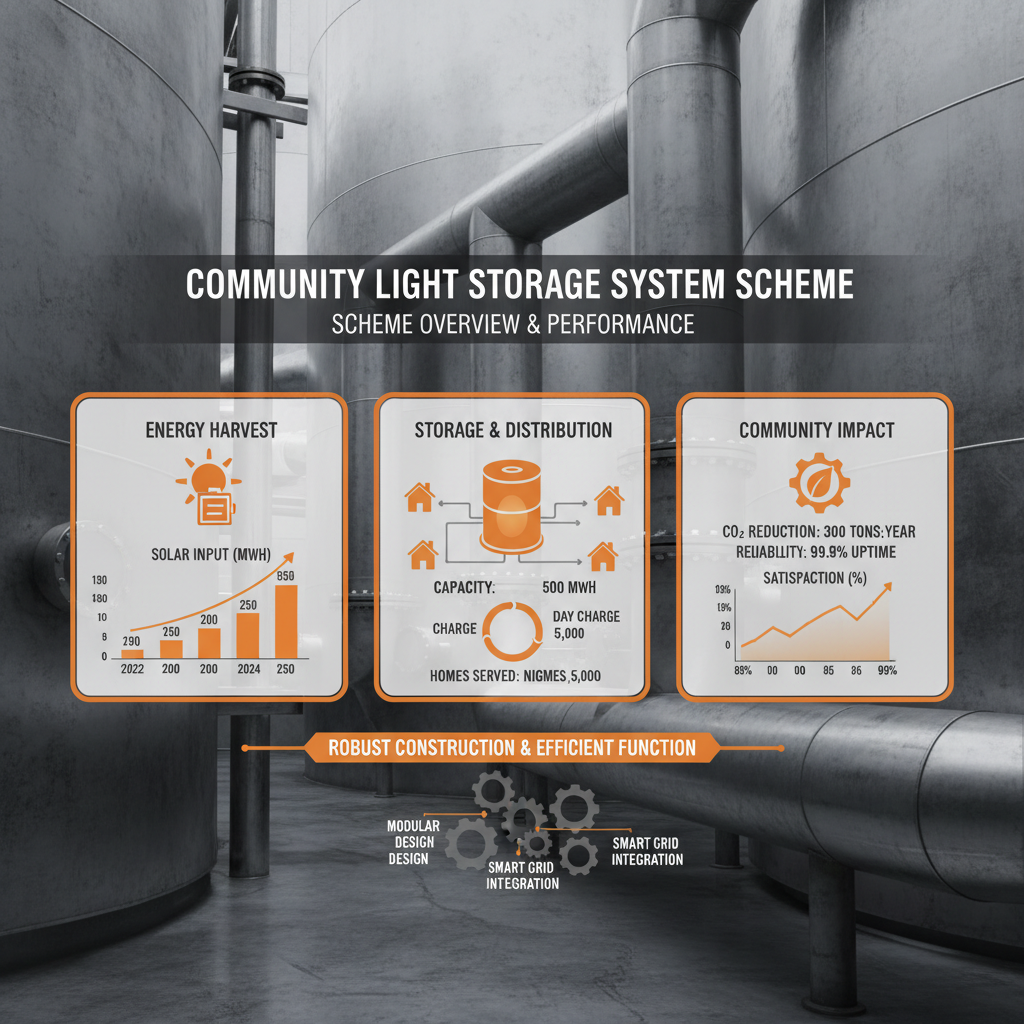
Several key factors contribute to the effectiveness of a community light storage system scheme. Scalability is paramount – the system must be able to adapt to the changing energy needs of the community. A modular design allows for easy expansion as demand grows. Durability is equally important, as the system must withstand harsh environmental conditions and operate reliably for extended periods.
Cost Efficiency is a critical consideration, particularly in developing countries. Utilizing locally sourced materials and labor can significantly reduce costs. Furthermore, Community Ownership ensures long-term sustainability by fostering a sense of responsibility and encouraging active participation in the system's operation and maintenance. Finally, Smart Grid Integration with monitoring and control systems improves efficiency and reliability.
Component Performance in Community Light Storage System Scheme
Real-World Applications
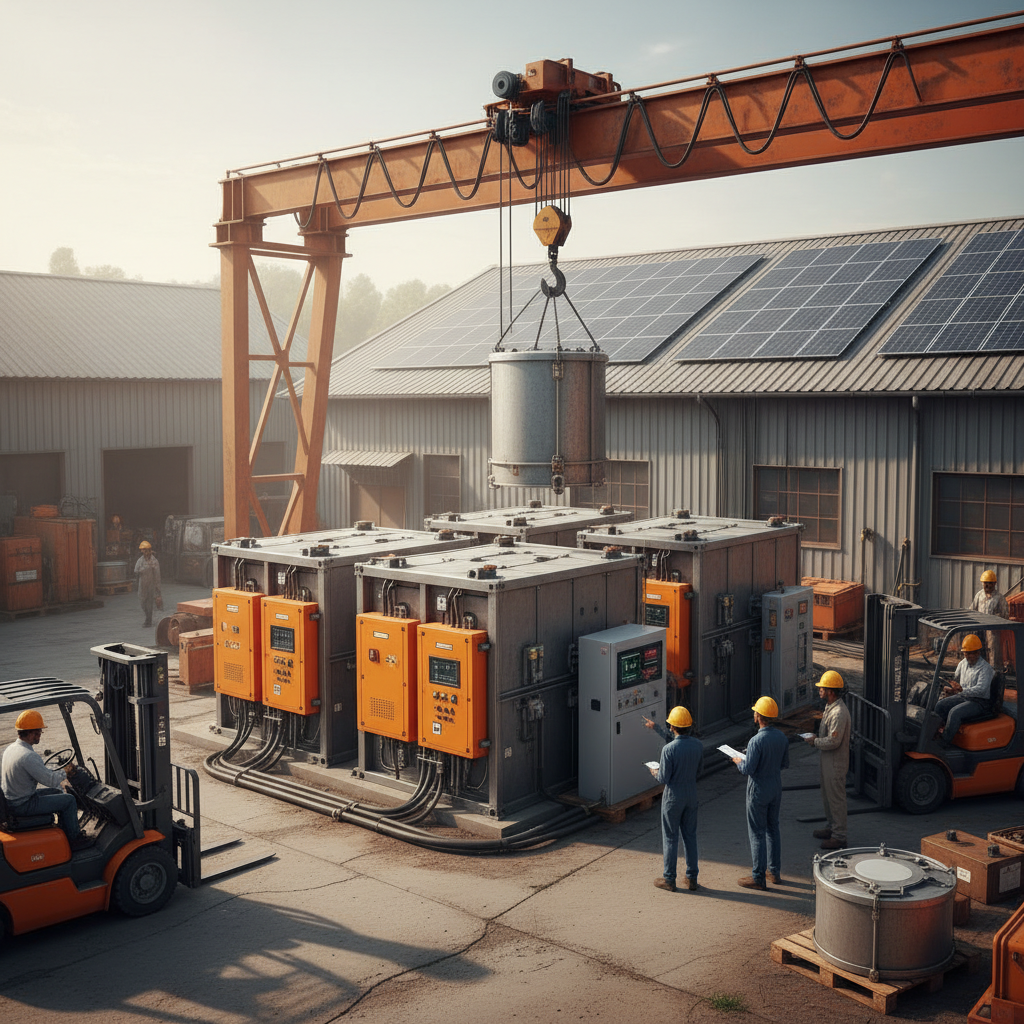
The community light storage system scheme is being implemented in diverse settings around the globe. In post-disaster relief operations, these systems provide immediate power for emergency services and displaced communities. For instance, after the 2010 earthquake in Haiti, solar-powered microgrids were deployed to provide electricity to hospitals and schools.
In remote industrial zones, where grid access is limited, these systems enable businesses to operate efficiently and sustainably. Mining operations in Australia and agricultural farms in Africa are increasingly adopting this technology. Furthermore, in developing nations like India and Bangladesh, community light storage system schemes are providing access to electricity for rural households, improving livelihoods and educational opportunities.
Advantages and Long-Term Value
The advantages of a community light storage system scheme extend beyond simply providing electricity. The economic benefits are significant, reducing reliance on expensive fossil fuels and creating local employment opportunities. The environmental advantages are equally compelling, decreasing carbon emissions and promoting sustainable energy practices.
From a social impact perspective, these systems empower communities, improve health and education outcomes, and enhance overall quality of life. The reliability of the power supply fosters trust and stability, while the innovative nature of the technology promotes a sense of pride and ownership. The long-term value lies in building resilient communities capable of thriving in a changing world.
Future Trends and Innovations
The future of community light storage system schemes is bright, driven by ongoing advancements in technology and evolving energy policies. The development of more efficient and affordable battery storage solutions, such as solid-state batteries and flow batteries, will enhance the performance and cost-effectiveness of these systems. Integration with smart grid technologies and the Internet of Things (IoT) will enable real-time monitoring, optimized energy management, and demand response capabilities.
The increasing adoption of green hydrogen as an energy storage medium also presents exciting opportunities for integrating hydrogen fuel cells into community light storage system schemes. Furthermore, supportive government policies and incentives, such as tax credits and feed-in tariffs, will accelerate the deployment of these systems and promote sustainable energy development.
Digital transformation plays a key role, with blockchain technology potentially enabling peer-to-peer energy trading within communities, fostering greater energy independence and resilience. Automation and artificial intelligence (AI) will optimize system performance and reduce operational costs, making these schemes even more accessible and sustainable.
FAQS
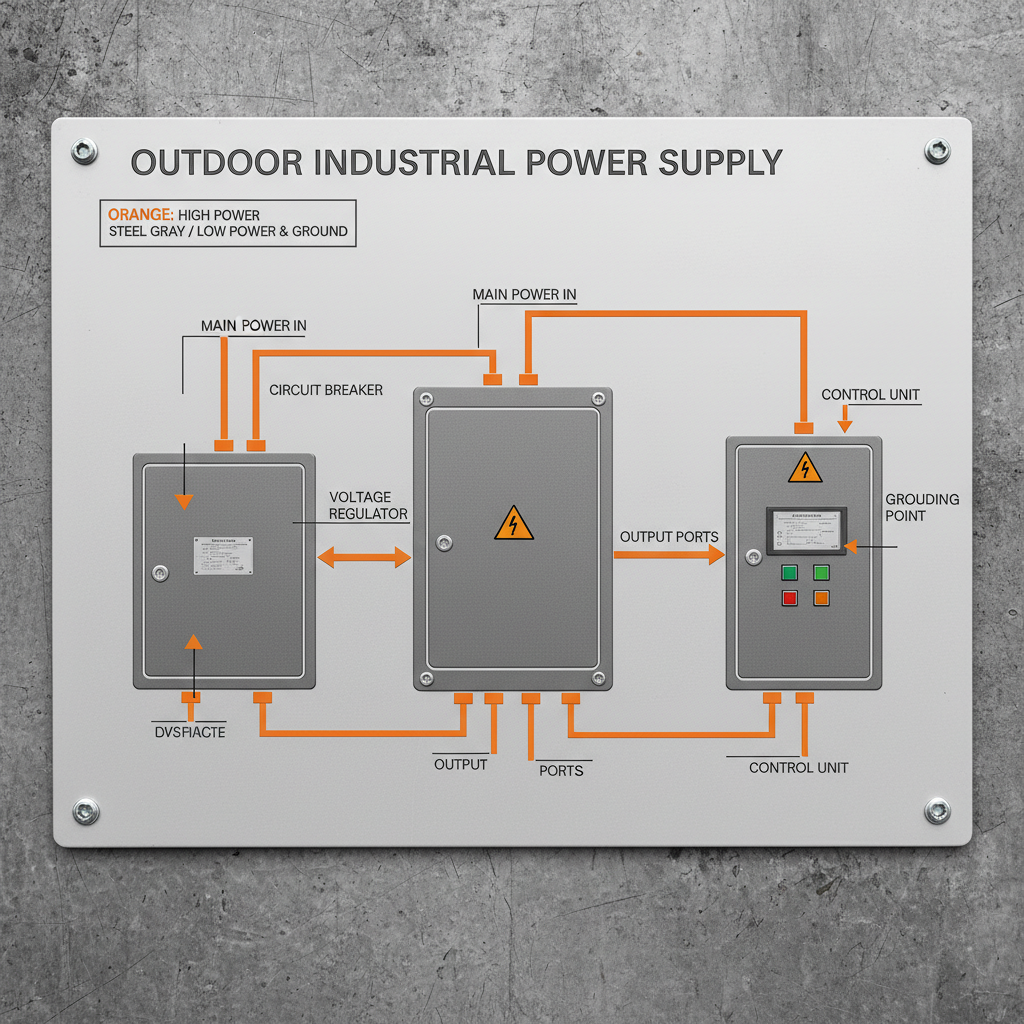
The major costs typically include the renewable energy generation equipment (solar panels, wind turbines), the energy storage system (batteries), inverters, control systems, installation labor, and ongoing maintenance. The relative cost of each component varies depending on the system's size, location, and technology choices. Careful planning and sourcing can help optimize costs.
Funding options include grants from government agencies and non-profit organizations, impact investing from socially responsible investors, crowdfunding campaigns, and loans from development banks. Developing a robust business plan and demonstrating the project's social and environmental benefits is crucial for attracting funding.
While specialized expertise is needed for initial installation and complex repairs, ongoing operation and maintenance can often be handled by trained local personnel. Providing adequate training to community members empowers them to take ownership of the system and ensures its long-term sustainability.
Energy storage, primarily through batteries, is crucial for managing fluctuations in demand. The batteries store excess energy generated during periods of low demand or high generation (e.g., sunny days) and release it when demand exceeds generation. Smart control systems optimize energy flow to ensure a stable and reliable power supply.
The lifespan varies depending on the components used and the maintenance practices. Solar panels typically have a lifespan of 25-30 years, while batteries have a lifespan of 5-15 years, depending on the technology and usage patterns. Inverters and control systems typically last 10-15 years. Regular maintenance and component replacement are essential for maximizing the system's lifespan.
Establishing a community-based management structure, providing comprehensive training to local personnel, and developing a sustainable financial model are essential. Creating a sense of ownership through participatory decision-making and transparent operation fosters long-term commitment and ensures the system's ongoing success.
Conclusion
In conclusion, the community light storage system scheme represents a transformative approach to energy access and sustainable development. By empowering communities to generate, store, and manage their own energy resources, these schemes foster resilience, promote economic growth, and improve quality of life. The integration of renewable energy sources and energy storage solutions offers a viable pathway towards a cleaner and more equitable energy future.
Looking ahead, continued innovation in technology, supportive government policies, and increased community participation will be critical for accelerating the deployment of these systems worldwide. Investing in community light storage system scheme isn’t merely about providing electricity; it’s about building a brighter, more sustainable, and more equitable future for all. For more information and to explore potential solutions, visit our website: community light storage system scheme.