The global transition toward sustainable energy has placed wind energy at the forefront of the industrial revolution. As nations strive to meet ambitious net-zero targets, the ability to harness kinetic energy from the atmosphere has evolved from a niche alternative to a primary pillar of the global power grid, driving unprecedented investment in turbine technology and energy storage.
Beyond mere electricity generation, the integration of wind power with advanced energy management systems addresses the critical challenge of intermittency. By coupling wind farms with C&I energy storage systems and container-type batteries, industries can now stabilize their power supply, ensuring that the erratic nature of wind does not compromise the operational continuity of heavy manufacturing or urban infrastructure.
Understanding the synergy between wind energy and lithium-ion battery storage is essential for any modern enterprise looking to reduce carbon footprints while optimizing operational costs. This comprehensive guide explores the technical dimensions, global applications, and future innovations that are transforming how we capture and store the wind's power for a sustainable industrial future.
Global Context of Wind Energy Deployment
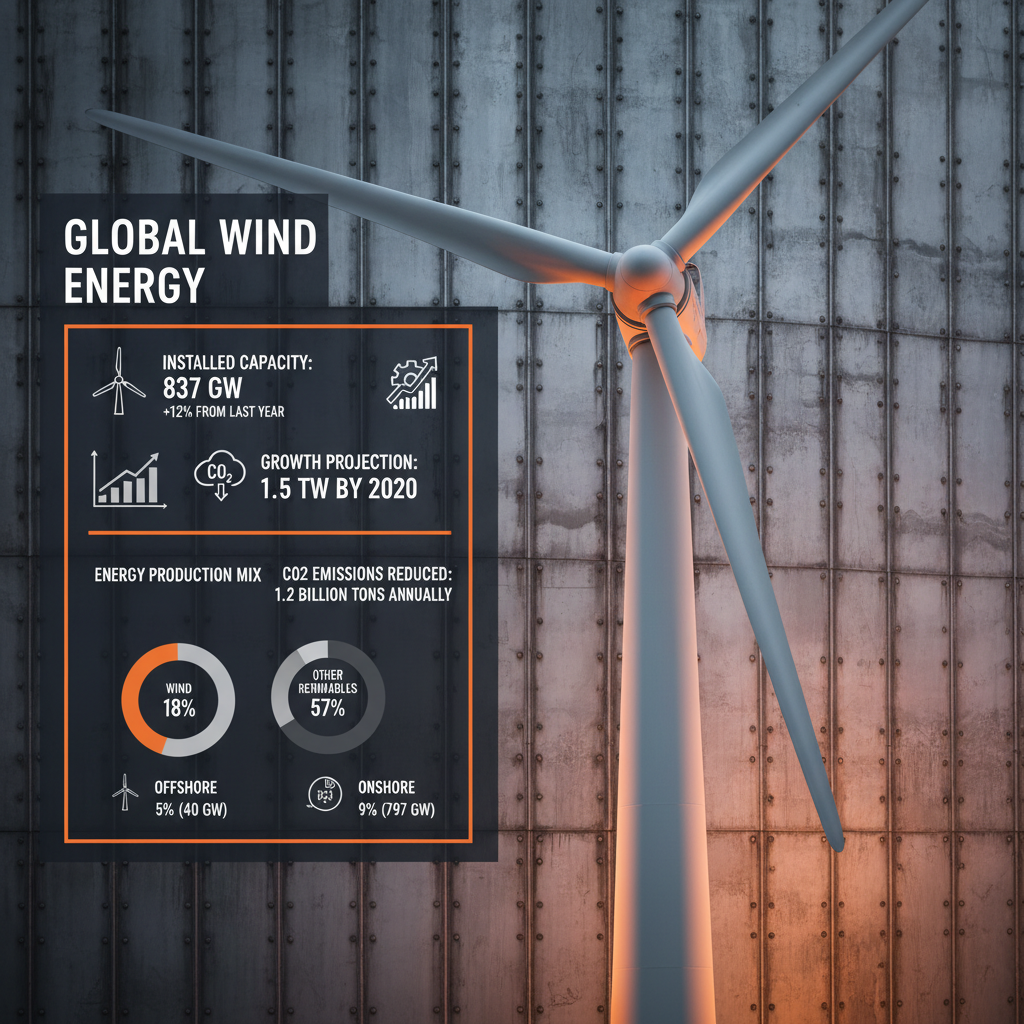
The global landscape of power generation is shifting rapidly, with the International Energy Agency (IEA) highlighting a massive surge in renewable capacity. Wind energy has become a cornerstone of this shift, particularly in Europe and China, where onshore and offshore wind farms are replacing coal-fired plants at an exponential rate to mitigate the impacts of climate change.
However, the primary challenge remains the "duck curve" of energy production—where the peak generation of renewables often doesn't align with peak demand. This has led to an urgent industrial need for Intelligent integrated power supply systems and large-scale battery storage to bridge the gap, ensuring that no kilowatt-hour of harvested wind is wasted.
Defining Wind Energy in Modern Industry
At its most fundamental level, wind energy is the process of converting the kinetic energy of moving air into mechanical power, which is then transformed into electricity via a generator. While the concept is ancient, modern industrial wind energy utilizes aerodynamic blade designs and high-efficiency permanent magnet generators to maximize energy capture even in low-wind environments.
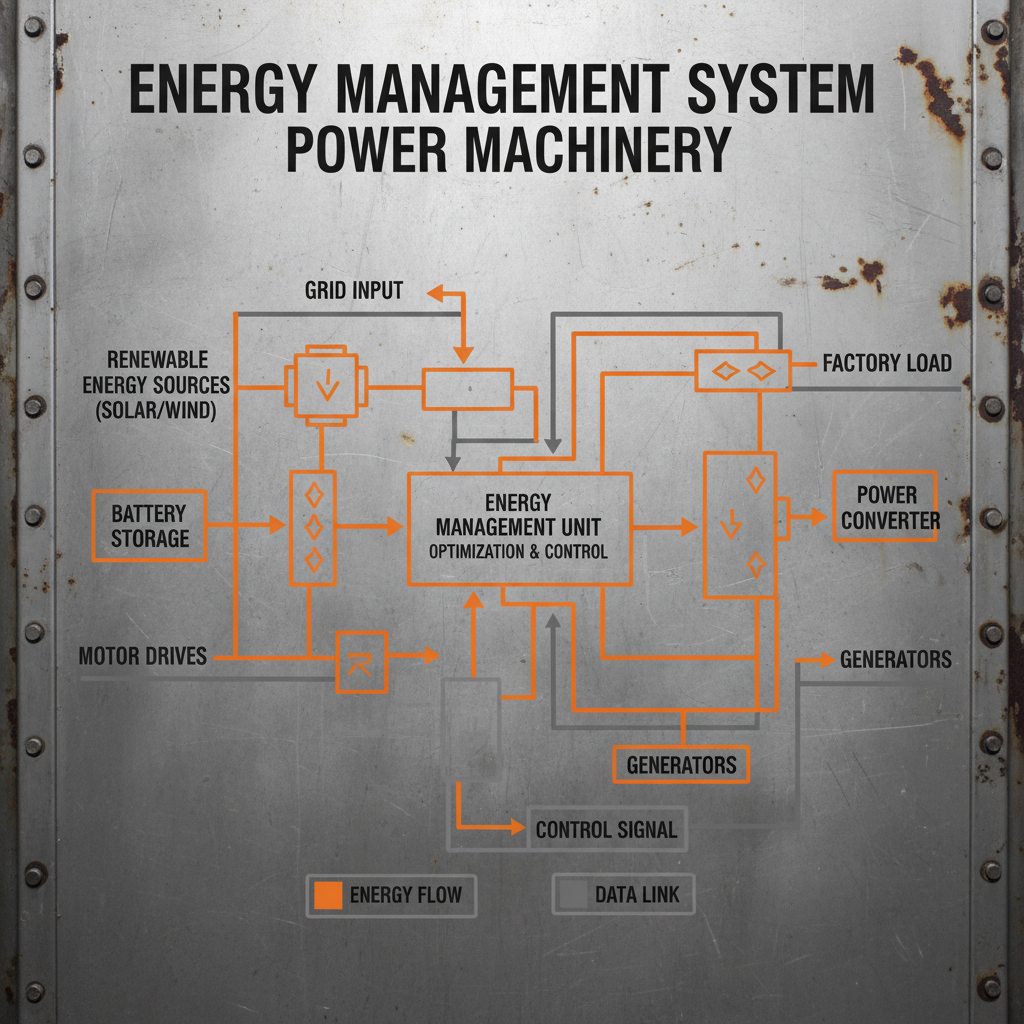
In the context of contemporary manufacturing, this energy source is no longer just about "turning a turbine." It is now part of a complex ecosystem involving Micro module computer rooms for data processing and Energy Management Systems (EMS) that intelligently route power between the wind turbine, the battery storage, and the end-user.
This integration allows industrial zones to operate on "island mode," reducing reliance on the fragile centralized grid. By redefining wind energy as a managed asset rather than a raw resource, companies can achieve true energy independence and significant reductions in operational expenditures.
Core Components for Wind Power Efficiency
The efficiency of wind energy systems depends heavily on the durability of the mechanical components. High-grade composite materials are used in the blades to withstand extreme weather, while the nacelle houses the gearbox and generator, requiring precision engineering to minimize friction and energy loss.
Crucially, the stability of wind energy is maintained through the use of Temperature control cabinets. Since the power electronics within the inverter and the adjacent lithium-ion battery banks generate significant heat, active thermal management is required to prevent efficiency degradation and ensure a long lifecycle for the hardware.
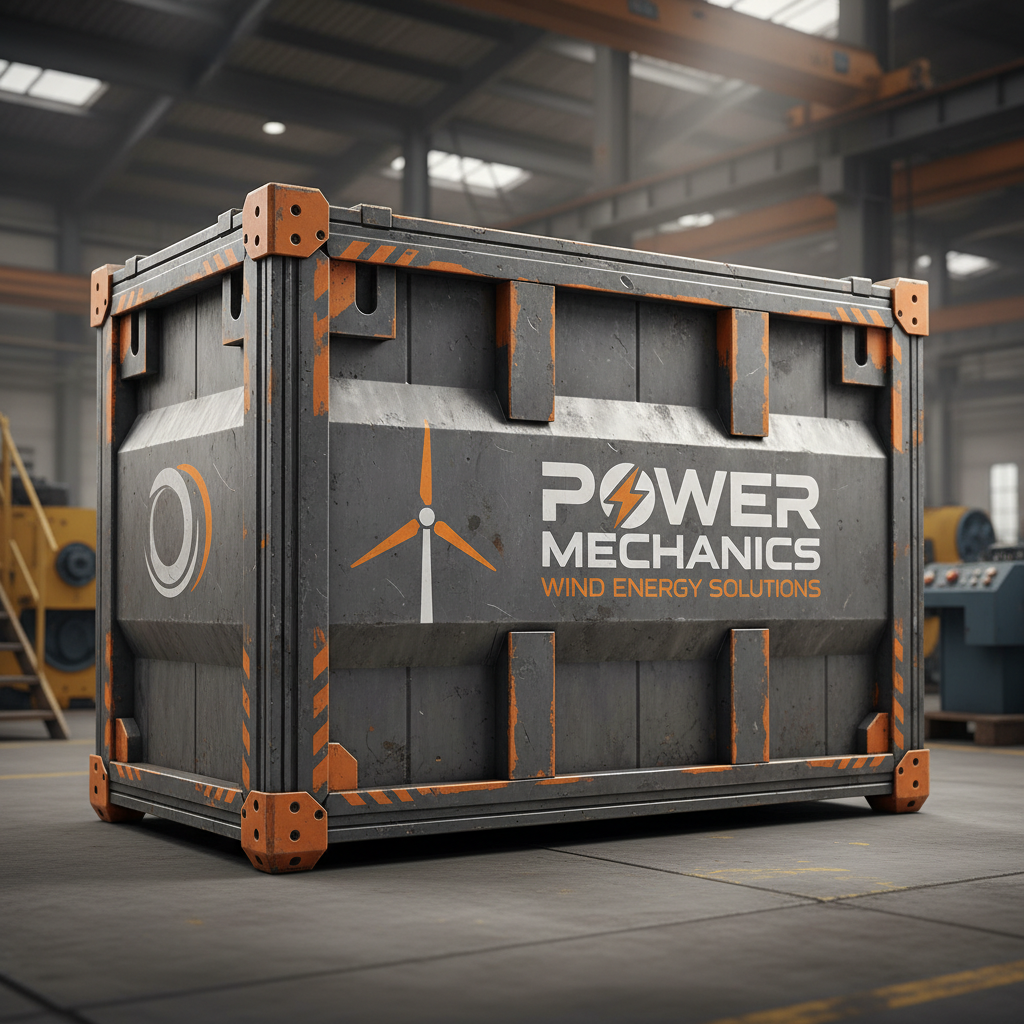
Furthermore, scalability is achieved through modular designs. By utilizing Container type energy storage systems, wind farm operators can easily expand their storage capacity as they add more turbines, creating a scalable infrastructure that grows in tandem with the project's energy yield.
Performance Metrics of Wind Energy Systems
Evaluating the success of a wind energy installation requires looking beyond the nameplate capacity. Key Performance Indicators (KPIs) such as the Capacity Factor and Levelized Cost of Energy (LCOE) provide a realistic view of how much usable power is actually delivered to the grid over the system's lifespan.
When integrated with storage, the metric shifts toward "Dispatchability"—the ability to provide power on demand regardless of wind speed. This synergy transforms volatile wind currents into a reliable, base-load power source suitable for critical industrial applications.
Comparative Efficiency of Wind Energy Integration Methods
Global Applications and Strategic Use Cases
In remote industrial zones, such as mining sites in Australia or oil rigs in the North Sea, wind energy combined with C&I energy storage systems provides a lifeline. These installations eliminate the need for expensive and polluting diesel generators, providing a clean, autonomous power source that operates 24/7.
In urban environments, integrated wind-solar-storage systems are being deployed on the rooftops of large logistics centers. By using an Energy Management System to balance loads, these facilities can sell excess power back to the grid during peak hours, turning a utility cost into a revenue stream.
Long-Term Value and Sustainability Gains
The transition to wind energy offers tangible financial benefits through the drastic reduction of carbon taxes and energy procurement costs. Over a 20-year lifecycle, the shift from fossil fuels to wind-integrated systems provides a predictable cost structure, protecting companies from the volatility of global oil and gas markets.
Beyond the balance sheet, there is a profound social and emotional value in sustainability. Brands that adopt wind energy demonstrate a commitment to planetary stewardship, fostering trust with consumers and investors who increasingly prioritize Environmental, Social, and Governance (ESG) criteria.
Moreover, the reliability afforded by Intelligent integrated power supply systems ensures that critical infrastructure—such as hospitals or data centers—remains operational during grid failures, adding a layer of security and dignity to the services they provide.
Future Trends in Wind Energy Innovation
The next frontier of wind energy lies in the development of floating offshore platforms. By moving turbines into deeper waters where winds are stronger and more consistent, we can unlock vast amounts of energy without competing for coastal land use, significantly increasing the total available capacity.
Digital transformation is also playing a key role, with AI-driven predictive maintenance becoming the standard. Sensors integrated into the turbines can now predict a bearing failure weeks before it happens, allowing technicians to intervene and reducing downtime for the entire wind energy array.
Finally, the convergence of wind power and green hydrogen production is set to revolutionize heavy industry. Using excess wind energy to power electrolyzers, we can create carbon-free fuel for shipping and steel manufacturing, completing the circle of total industrial decarbonization.
Technical Analysis of Wind Energy Deployment Models
| Deployment Type |
Storage Integration |
Energy Density |
Cost Recovery (Yrs) |
| Onshore Utility Scale |
Container BESS |
Medium |
6-8 |
| Offshore Fixed |
Subsea/Onshore BESS |
High |
9-12 |
| Floating Offshore |
Integrated Modular |
Very High |
12-15 |
| C&I Distributed |
C&I Storage System |
Low |
4-6 |
| Micro-Grid Hybrid |
Intelligent Integrated |
Medium |
5-7 |
| Residential Wind |
Small-scale Li-ion |
Low |
8-10 |
FAQS
Wind energy is intermittent, meaning it only produces power when the wind blows. Battery storage systems, such as our Container type energy storage systems, capture excess energy during high-wind periods and discharge it during calm periods. This creates a "buffered" power supply that mimics the reliability of a traditional power plant while remaining 100% green.
Yes, especially when utilizing C&I energy storage systems. While the initial installation cost is higher than traditional grid connection, the long-term savings on electricity bills and the ability to avoid peak-demand charges often lead to a return on investment within 5 to 7 years, depending on local wind conditions and energy tariffs.
Most modern industrial wind turbines are designed for a operational life of 20 to 25 years. However, the associated energy storage components may need cell replacement or capacity augmentation every 10-15 years. With proper thermal management from temperature control cabinets, this lifespan can be maximized significantly.
With a sufficiently sized wind farm and a robust Energy Management System combined with large-scale lithium battery storage, it is entirely possible to achieve energy independence. This "off-grid" approach is common in remote industrial zones where extending the national grid is geographically or financially impossible.
Modern turbine design focuses on "silent" blade aerodynamics to reduce noise pollution. Furthermore, strategic site planning and the use of digital mapping ensure that wind energy arrays are placed in areas with minimal impact on local wildlife and residential zones, maintaining a balance between ecology and energy.
Turbines require periodic mechanical inspections of the blades and gearbox. The energy storage side requires monitoring of state-of-charge (SoC) and state-of-health (SoH) through an EMS. Predictive AI tools now allow these tasks to be scheduled proactively, reducing unplanned downtime to nearly zero.
Conclusion
Wind energy represents far more than a simple alternative to fossil fuels; it is a sophisticated industrial tool that, when paired with advanced energy storage and intelligent management, provides a blueprint for the future of global production. By integrating high-capacity batteries and precision thermal controls, the inherent volatility of the wind is transformed into a stable, scalable, and sustainable power asset that drives both economic growth and environmental restoration.
As we look toward a decarbonized future, the synergy between wind energy and lithium-ion technology will be the deciding factor in achieving true energy sovereignty. We encourage enterprises to move beyond passive consumption and invest in integrated renewable infrastructures to secure their operational future. Visit our website for more advanced storage solutions: www.acdcbess.com