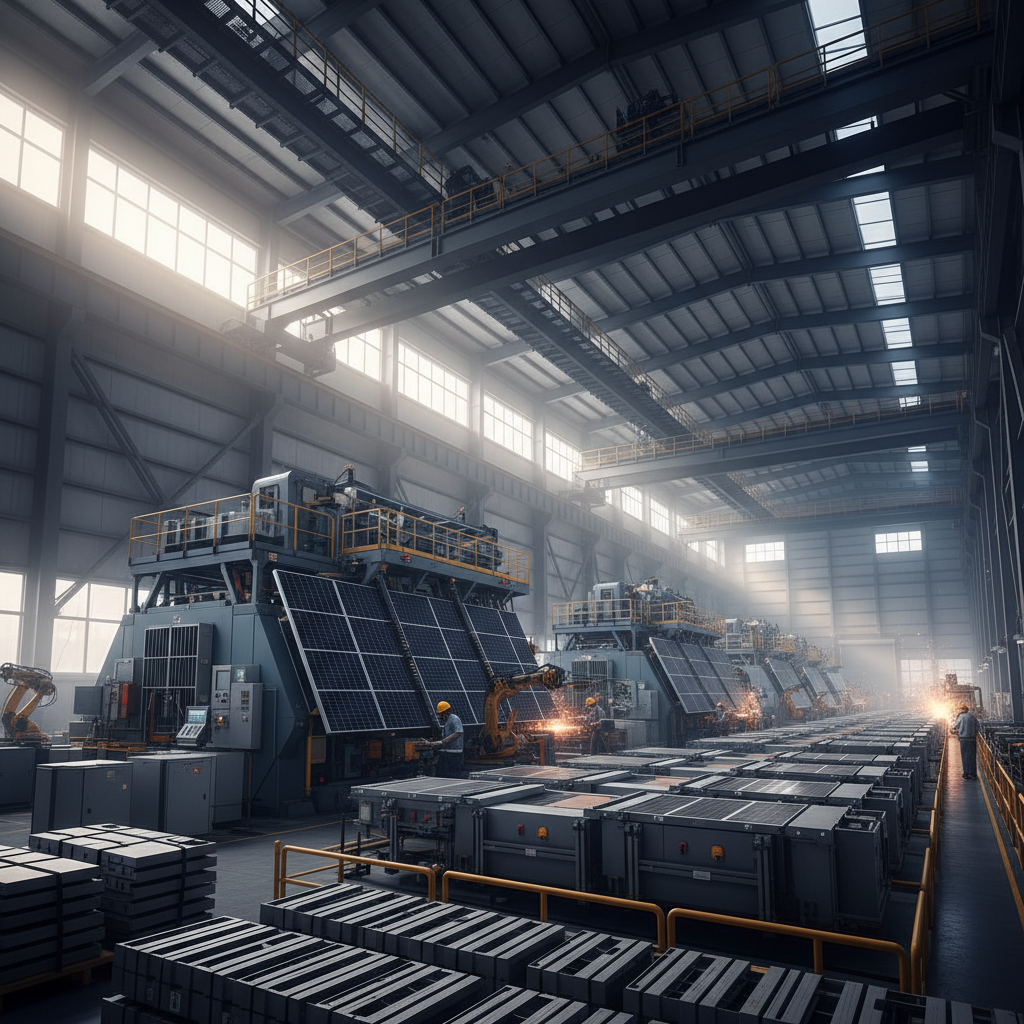
In the rapidly evolving landscape of renewable energy, ac coupling has emerged as a pivotal architecture for integrating battery energy storage systems (BESS) into existing power grids. Unlike traditional DC-coupled systems, this approach allows for greater flexibility by connecting the storage system to the alternating current side of the inverter, making it an ideal choice for retrofitting existing solar arrays.
The global shift toward decentralized energy resources has intensified the need for scalable and modular solutions. By utilizing ac coupling, operators can decouple the generation source from the storage capacity, allowing each component to be optimized independently. This systemic independence reduces the risk of single-point failures and simplifies the expansion of C&I energy storage systems.
Understanding the nuances of this technology is essential for engineers and facility managers aiming to maximize energy efficiency and reduce operational expenditures. From reducing installation complexity to enhancing grid stability, the adoption of ac coupling represents a strategic move toward a more resilient and sustainable energy infrastructure.
The Fundamentals of AC Coupling Architecture
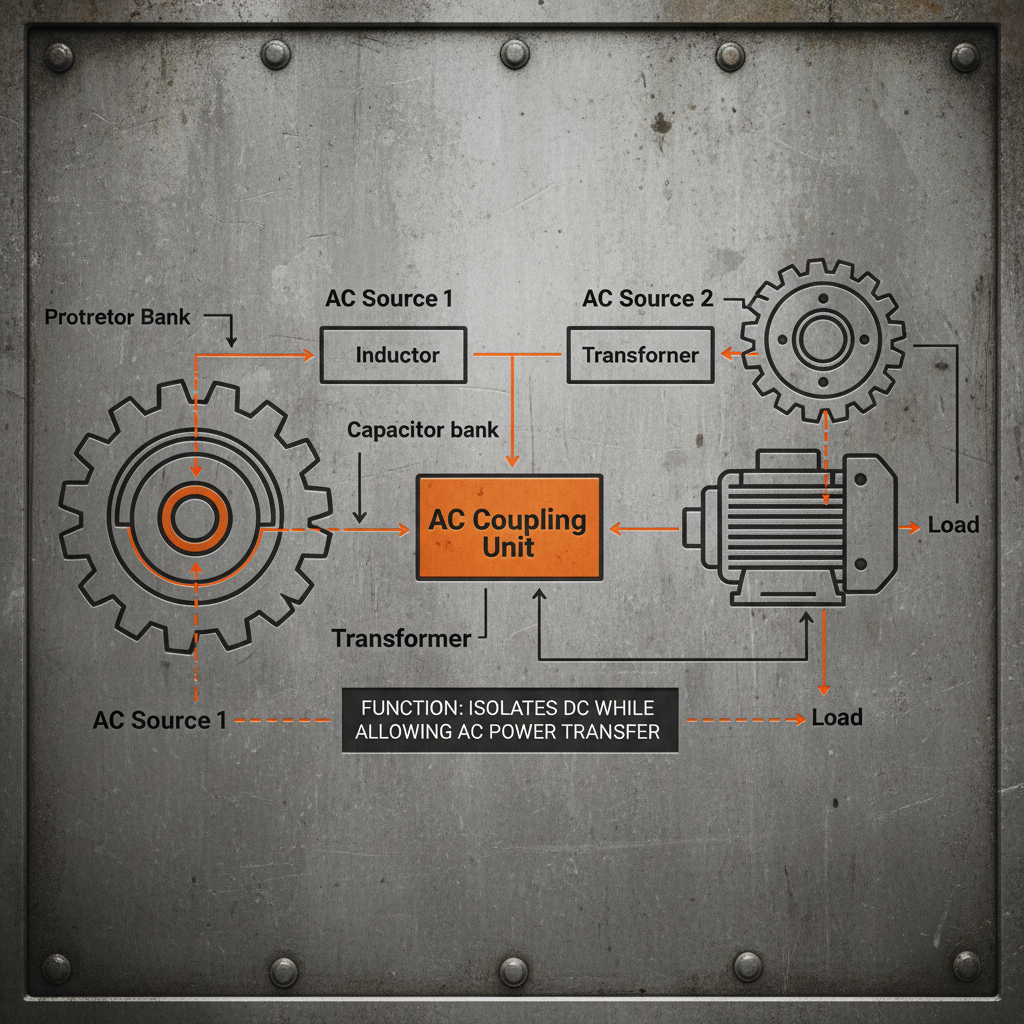
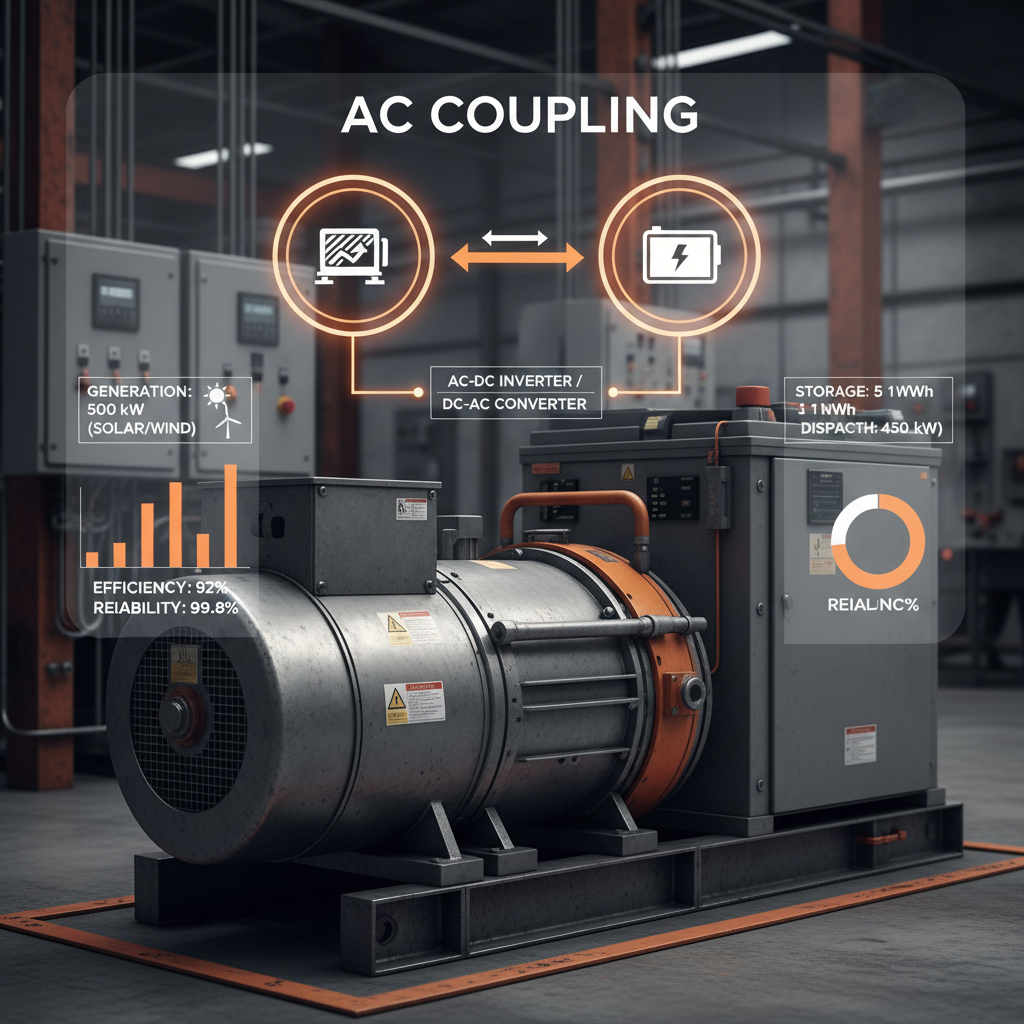
At its core, ac coupling refers to the method of integrating an energy storage system into a power network where the battery and the energy source (such as PV panels) each have their own dedicated inverters. This means the energy flows from the DC source to an inverter, enters the AC bus, and is then converted back to DC by a second inverter to be stored in the batteries.
This architectural choice is particularly beneficial for "brownfield" projects—sites where a solar installation already exists and the owner wishes to add storage without replacing the existing PV inverters. By employing ac coupling, the integration process becomes a "plug-and-play" addition to the AC side of the electrical panel.
Global Industry Relevance and Market Drivers
The global energy transition, supported by frameworks from the International Energy Agency (IEA) and ISO standards, has placed an immense burden on aging grid infrastructures. As the penetration of intermittent renewables increases, the instability of the grid becomes a critical failure point. ac coupling addresses this by providing a flexible mechanism to inject power exactly where it is needed on the AC bus.
Market data suggests that the demand for C&I (Commercial and Industrial) energy storage is skyrocketing, particularly in regions with volatile electricity pricing. The ability to implement ac coupling allows businesses to adopt peak-shaving and load-shifting strategies without the prohibitive cost of redesigning their entire DC electrical architecture.
Furthermore, the push for Net Zero targets by 2050 has forced industries to look toward container-type energy storage systems. These modular units, when deployed via ac coupling, allow for rapid deployment in industrial zones, reducing the time-to-market for green energy transitions from months to weeks.
Technical Core Components of AC Coupled Systems
The primary engine of any ac coupling setup is the bi-directional inverter. This component is responsible for the seamless transition between charging (AC to DC) and discharging (DC to AC), ensuring that the power quality remains high and that harmonics are kept within acceptable limits to protect sensitive industrial equipment.
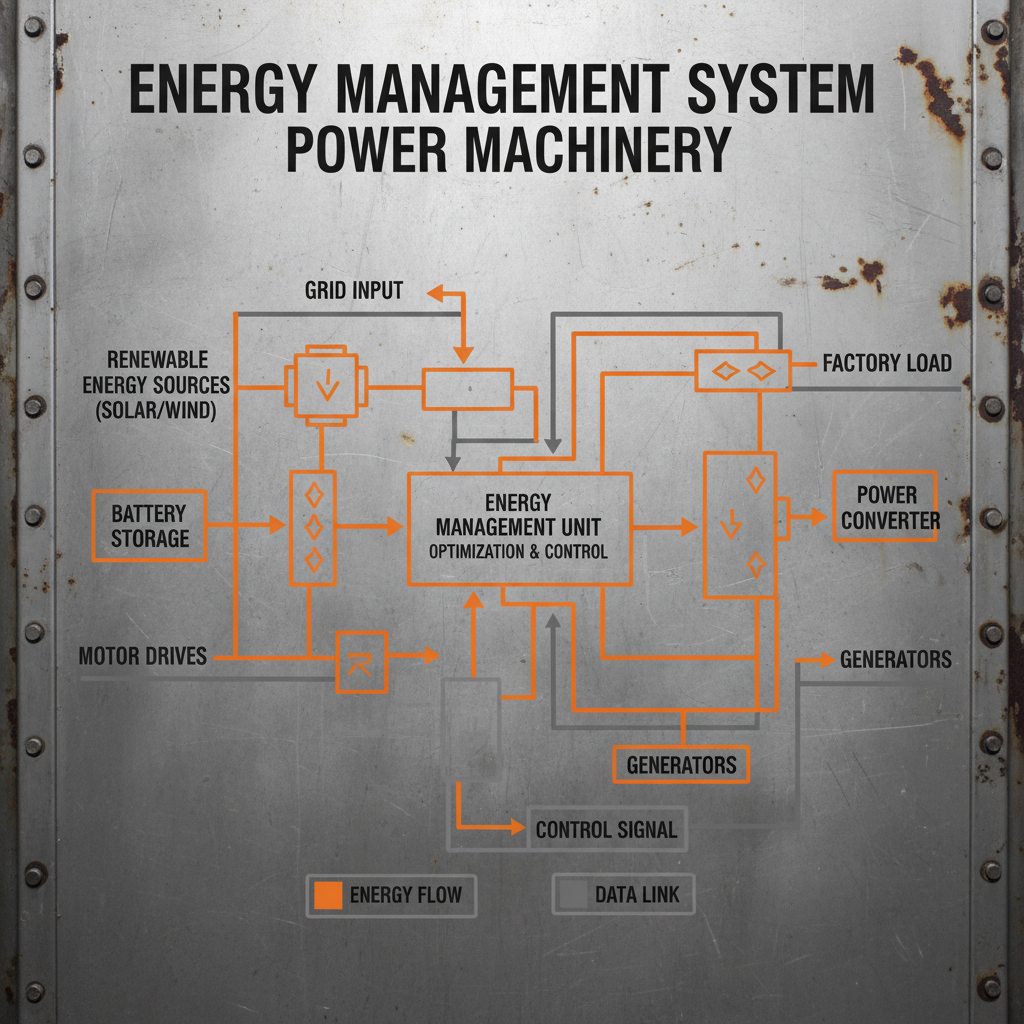
Another critical element is the Energy Management System (EMS). In an ac coupling configuration, the EMS acts as the "brain," coordinating the communication between the PV inverter and the battery inverter. It monitors the AC bus voltage and frequency in real-time to decide when to store excess energy or discharge it to the load.
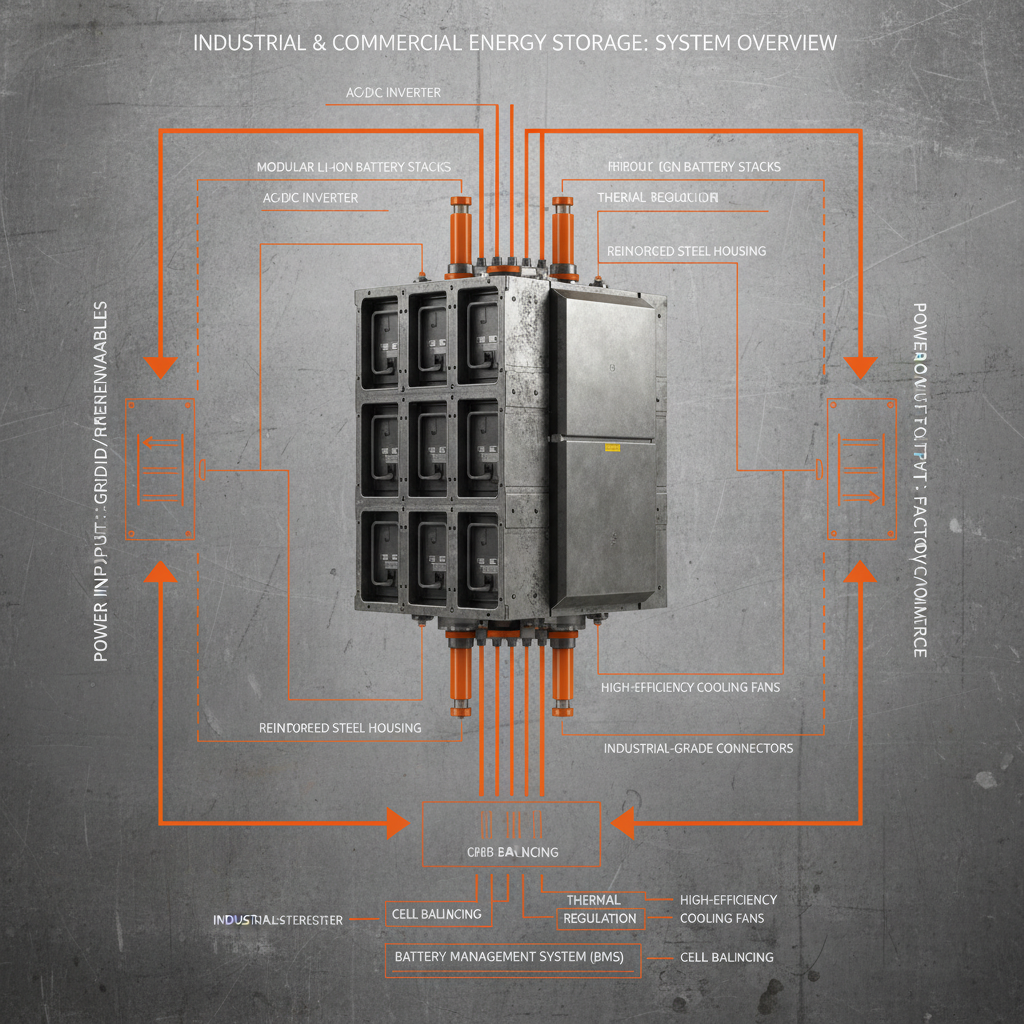
Finally, the battery chemistry—typically Lithium Iron Phosphate (LiFePO4) in modern BESS—must be paired with a robust Battery Management System (BMS). In the context of ac coupling, the BMS ensures that the cell voltage remains balanced despite the repeated conversion cycles, thereby extending the overall lifecycle of the container-type energy storage system.
Scalability and Efficiency Performance Metrics
One of the most compelling arguments for ac coupling is its inherent scalability. Because the storage and generation components are independent, an operator can increase battery capacity simply by adding more AC-coupled storage modules without needing to upgrade the original solar inverters. This "modular growth" strategy prevents over-investing in hardware during the initial phase of a project.
While there is a slight efficiency penalty due to the double conversion (DC-AC-DC), the trade-off is often justified by the lower installation costs and the ability to use best-in-class components for each specific function. Modern wide-bandgap semiconductors (SiC and GaN) are rapidly closing this efficiency gap in ac coupling systems.
AC Coupling Implementation Performance Analysis
Real-World Applications in C&I Sectors
In large-scale industrial parks, ac coupling is frequently utilized to manage high-surge loads from heavy machinery. By deploying container-type energy storage systems that connect directly to the main AC distribution board, facilities can avoid expensive utility demand charges by discharging stored energy during peak usage windows.
Another critical application is seen in remote microgrids, such as mining sites or remote telecommunication hubs. In these environments, ac coupling allows for the integration of multiple energy sources—wind, solar, and diesel generators—into a single AC bus, ensuring that the power supply remains stable even when one source fluctuates.
Long-Term Value and Economic Sustainability
The long-term economic value of ac coupling lies in the reduction of Total Cost of Ownership (TCO). By avoiding the need to rip-and-replace existing DC infrastructure during upgrades, companies save significantly on labor and hardware costs. This makes the transition to sustainable energy a gradual, financially manageable process rather than a massive capital shock.
Sustainability is not just about carbon; it is about system longevity. AC-coupled systems are generally easier to maintain because the failure of one inverter does not necessarily bring down the entire energy production chain. This redundancy provides a level of operational trust and reliability that is paramount for mission-critical industrial operations.
Moreover, as the second-hand market for lithium batteries grows, ac coupling facilitates the integration of repurposed "second-life" batteries. Since the inverter handles the interface, different battery batches with varying internal resistances can be managed more effectively through the AC interface.
Future Innovations in AC Coupling Technology
The future of ac coupling is being shaped by the digital transformation of energy. We are seeing the rise of "AI-driven EMS" that can predict weather patterns and market price fluctuations to optimize the charging cycles of AC-coupled storage. This move toward predictive intelligence will maximize the ROI of energy storage investments.
Technologically, the move toward higher voltage AC buses is reducing line losses, making ac coupling viable for even larger utility-scale projects. Additionally, the integration of "Virtual Power Plant" (VPP) software allows multiple AC-coupled sites to operate as a single cohesive entity, providing ancillary services to the national grid.
As policies regarding grid-edge intelligence evolve, we expect to see more integrated "Smart Power Supply Systems" where ac coupling is the default standard for hybrid energy sites.
Comparison Analysis of AC Coupling Deployment Strategies
| Deployment Scenario |
Installation Complexity |
Upgradability Score |
Primary Economic Driver |
| Existing Solar Retrofit |
Very Low |
10/10 |
CAPEX Reduction |
| New C&I Facility |
Moderate |
8/10 |
Operational Flexibility |
| Remote Microgrid |
High |
9/10 |
System Resilience |
| Urban Peak Shaving |
Low |
7/10 |
Demand Charge Saving |
| VPP Integration |
Moderate |
10/10 |
Revenue Generation |
| Hybrid Wind/Solar |
High |
9/10 |
Source Diversification |
FAQS
In dc coupling, the solar panels and battery share a single inverter, and the energy is stored as DC. In ac coupling, both the solar array and the battery have their own separate inverters. This allows the battery system to be added to an existing solar setup without modifying the current DC wiring, providing much higher flexibility for retrofits.
Technically, yes, because energy must be converted from DC to AC and then back to DC for storage. However, this loss is typically minimal (around 1-3%) and is often outweighed by the lower installation costs and the ability to optimize the inverters for their specific roles independently.
Absolutely. That is the primary strength of ac coupling. Since the storage system connects to the AC side of your electrical panel, you do not need to replace your existing PV inverters or rewire your solar panels, making it the most cost-effective way to upgrade a "brownfield" site.
It does not inherently shorten battery life. The battery's health is managed by the Battery Management System (BMS) and the bi-directional inverter. As long as the inverter provides a stable charging profile and the EMS manages the cycles correctly, ac-coupled batteries can achieve full rated lifecycles.
You will need a battery storage bank (like a containerized BESS), a bi-directional inverter (battery inverter), and an Energy Management System (EMS) to coordinate the flow of electricity between the energy source, the battery, and the load.
Yes, but it requires a "grid-forming" inverter to establish the AC voltage and frequency that other components can follow. Once the AC bus is established, ac coupling allows for easy integration of various energy sources, making it a robust choice for remote microgrids.
Conclusion
To summarize, ac coupling offers a versatile, scalable, and economically viable solution for integrating energy storage into both new and existing power infrastructures. By decoupling generation and storage, it empowers businesses to retrofit their systems with minimal disruption and maximize the utilization of renewable energy. The synergy between bi-directional inverters and intelligent EMS ensures that industrial users can achieve peak-shaving and grid stability with confidence.
Looking ahead, the continued evolution of power electronics and AI-driven management will further diminish efficiency losses and enhance the ROI of ac-coupled systems. For organizations aiming to future-proof their energy strategy, investing in modular, AC-coupled container energy storage is a strategic imperative. We encourage you to explore how these solutions can transform your operational efficiency. Visit our website: www.acdcbess.com