Distributed energy storage (DES) is rapidly evolving from a niche technology to a cornerstone of modern energy systems. Globally, the demand for reliable, resilient, and sustainable power is surging, driven by population growth, industrialization, and the urgent need to decarbonize economies. Traditional centralized power grids are often ill-equipped to handle these challenges, facing issues like transmission losses, vulnerability to disruptions, and limited access for remote communities. Distributed energy storage offers a compelling solution by enabling localized energy generation, consumption, and management.
The increasing penetration of renewable energy sources – solar, wind, and hydro – necessitates energy storage to address their inherent intermittency. Without effective storage, the full potential of renewables cannot be realized, hindering the transition to a cleaner energy future. Furthermore, DES enhances grid stability, reduces peak demand charges, and empowers consumers with greater control over their energy usage. This technology is gaining prominence in both developed and developing nations, attracting significant investment and driving innovation.
Understanding the nuances of distributed energy storage is crucial for policymakers, energy professionals, investors, and consumers alike. Its potential to reshape the energy landscape is immense, offering opportunities for economic growth, environmental sustainability, and improved quality of life. As deployment accelerates, a comprehensive grasp of its components, applications, and challenges will be essential to unlock its full benefits.
Introduction: Global or Industry Context
The global energy landscape is undergoing a dramatic transformation, driven by concerns about climate change, energy security, and the growing demand for electricity. According to the International Energy Agency (IEA), global electricity demand is expected to increase by 60% by 2050. This growth is primarily fueled by emerging economies and the electrification of various sectors, including transportation and heating. Traditional centralized power systems are struggling to meet this demand efficiently and reliably, leading to grid congestion, power outages, and increased carbon emissions.
Distributed energy storage is emerging as a critical component of a modern, resilient, and sustainable energy infrastructure. The UN Sustainable Development Goal 7 – Affordable and Clean Energy – highlights the importance of expanding access to reliable and sustainable energy services. DES directly contributes to this goal by providing off-grid power solutions for remote communities, enhancing grid stability, and integrating renewable energy sources. Investments in DES are experiencing exponential growth, with projections indicating a multi-billion dollar market in the coming years.
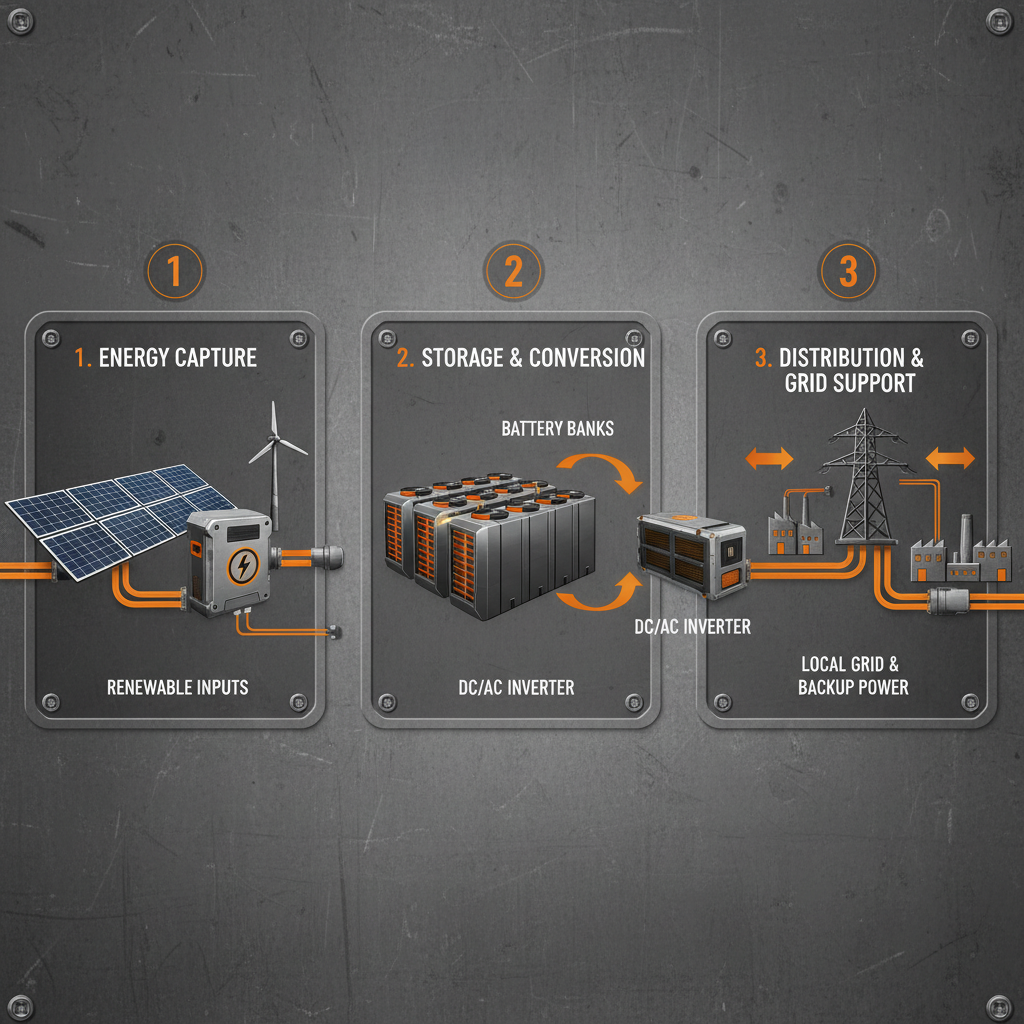
One major challenge is the intermittent nature of renewable energy sources like solar and wind. Without adequate storage, these sources cannot provide a consistent and reliable power supply. This limitation is particularly acute in regions with limited grid infrastructure or extreme weather conditions. Distributed energy storage addresses this challenge by storing excess energy generated during peak production periods and releasing it when demand exceeds supply, creating a more balanced and stable energy system.
Definition & Meaning
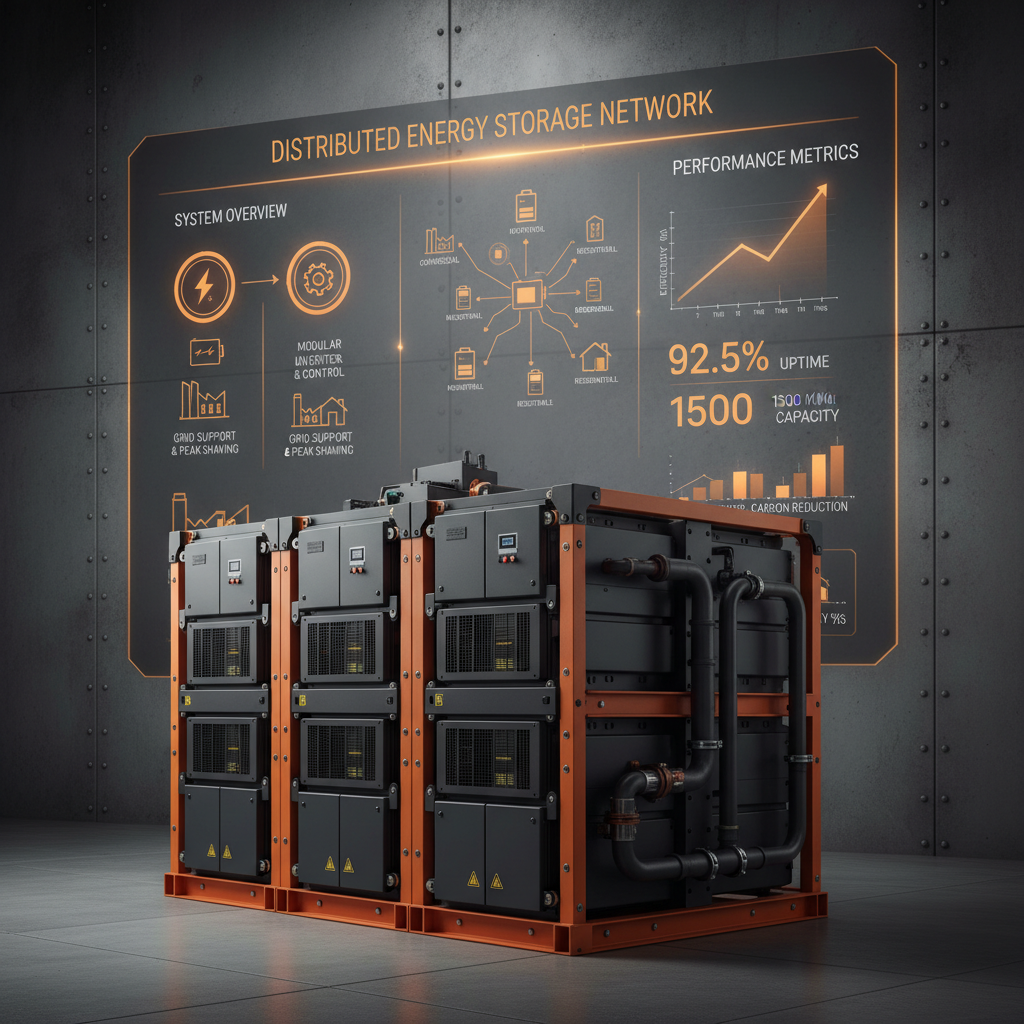
Distributed energy storage (DES) refers to the deployment of energy storage systems – typically batteries, but also including pumped hydro, compressed air, and thermal storage – at locations close to the point of energy consumption or generation, rather than at large, centralized power plants. This contrasts with traditional centralized energy storage which serves a broad geographical area. DES can encompass a wide range of scales, from residential battery systems paired with rooftop solar panels to commercial and industrial installations designed to optimize energy usage and provide backup power.
The core principle behind DES is to enhance the flexibility, reliability, and efficiency of the energy system. By storing energy locally, DES reduces transmission losses, minimizes grid congestion, and improves power quality. It also provides valuable ancillary services, such as frequency regulation and voltage support, which are essential for maintaining grid stability. This decentralized approach aligns with the broader trend of democratizing energy, empowering consumers and fostering greater energy independence.
In the context of modern humanitarian needs, DES can play a life-saving role in disaster relief efforts. Portable energy storage systems can provide immediate power to hospitals, emergency shelters, and communication networks in areas affected by natural disasters, where the grid infrastructure may be damaged or unavailable. Furthermore, DES can support microgrids in remote communities, providing access to electricity for essential services such as healthcare, education, and water purification.
Key Factors or Core Components
Scalability: One of the key advantages of distributed energy storage is its scalability. Systems can be easily expanded or contracted to meet changing energy needs. This modularity makes DES suitable for a wide range of applications, from individual households to large commercial facilities. The ability to incrementally add storage capacity reduces upfront investment costs and allows for a phased deployment approach.
Durability: The longevity and reliability of energy storage systems are critical for economic viability. Advanced battery technologies, such as lithium-ion and flow batteries, are designed to withstand thousands of charge-discharge cycles with minimal degradation. Proper thermal management and system monitoring are also essential for maximizing durability and ensuring long-term performance.
Cost Efficiency: While the initial cost of energy storage can be significant, the long-term benefits often outweigh the upfront investment. DES can reduce peak demand charges, minimize energy waste, and provide backup power, resulting in substantial cost savings. Government incentives, such as tax credits and rebates, are also helping to make DES more affordable and accessible.
Integration Capabilities: Seamless integration with existing energy systems is paramount. DES systems must be compatible with grid communication protocols, energy management systems, and renewable energy sources. Advanced software and control algorithms are essential for optimizing energy flow and maximizing system efficiency.
Safety: Ensuring the safety of energy storage systems is of utmost importance. Battery systems must be designed to prevent thermal runaway, short circuits, and other potential hazards. Proper installation, maintenance, and monitoring are crucial for mitigating safety risks.
Global Applications & Use Cases
Distributed energy storage is being deployed in a diverse range of applications across the globe. In California, residential battery systems paired with rooftop solar are becoming increasingly common, enabling homeowners to reduce their reliance on the grid and lower their electricity bills. Commercial and industrial facilities are utilizing DES to optimize energy consumption, participate in demand response programs, and provide backup power during outages.
In remote island nations, such as those in the Pacific Islands, DES is enabling the integration of renewable energy sources and reducing dependence on expensive and polluting diesel generators. In post-disaster relief operations, portable energy storage systems are providing critical power to emergency shelters and hospitals. Furthermore, in remote industrial zones, such as mining operations in Australia, DES is providing reliable and cost-effective power for essential equipment and infrastructure.
Germany is a leader in DES adoption, with a strong focus on integrating storage with renewable energy sources to support its Energiewende (energy transition). Japan is also heavily investing in DES to enhance grid resilience and address the challenges of a aging infrastructure. Across Africa, DES is providing off-grid power solutions for communities lacking access to centralized electricity, fostering economic development and improving quality of life.
Distributed Energy Storage Application Areas
Advantages & Long-Term Value
The advantages of distributed energy storage extend far beyond simple cost savings. From an economic perspective, DES can reduce peak demand charges, lower electricity bills, and create new revenue streams through grid services. Environmentally, it enables the integration of renewable energy sources, reducing carbon emissions and promoting a cleaner energy future. Socially, DES improves energy access, enhances grid resilience, and fosters community empowerment.
The long-term value proposition of DES is compelling. By investing in energy storage, communities and businesses can enhance their energy independence, reduce their vulnerability to grid disruptions, and create a more sustainable energy future. The ability to control energy consumption and generate power locally fosters a sense of ownership and responsibility, leading to more informed energy decisions. The peace of mind that comes with a reliable backup power source is also an invaluable benefit, particularly in areas prone to extreme weather events.
Future Trends & Innovations
The future of distributed energy storage is bright, with several exciting trends and innovations on the horizon. Advancements in battery technology, such as solid-state batteries and sodium-ion batteries, promise higher energy density, improved safety, and lower costs. Digitalization and artificial intelligence (AI) are playing an increasingly important role in optimizing energy storage systems, predicting energy demand, and managing grid operations.
The integration of DES with virtual power plants (VPPs) is gaining momentum, enabling aggregated energy storage resources to participate in wholesale electricity markets and provide grid services. Furthermore, the development of standardized communication protocols and interoperability standards will facilitate seamless integration of DES with various energy systems. The convergence of distributed energy storage with green energy sources and digital transformation will drive the next wave of innovation in the energy sector.
Challenges & Solutions
Despite its numerous benefits, distributed energy storage faces several challenges. High upfront costs, regulatory barriers, and limited grid infrastructure can hinder deployment. Concerns about battery safety and environmental impact also need to be addressed. Furthermore, the lack of standardized communication protocols and interoperability standards can complicate integration with existing energy systems.
Innovative financing models, such as energy-as-a-service (EaaS), can help overcome cost barriers by allowing customers to pay for energy storage as a monthly service rather than making a large upfront investment. Streamlining permitting processes and updating grid interconnection standards can reduce regulatory hurdles. Investing in grid modernization and developing advanced battery recycling technologies can address infrastructure limitations and environmental concerns. distributed energy storage companies are at the forefront of addressing these challenges.
Addressing these challenges requires collaboration between policymakers, energy providers, technology developers, and consumers. By working together, we can unlock the full potential of distributed energy storage and create a more sustainable, resilient, and equitable energy future.
Summary of Key Challenges and Solutions for Distributed Energy Storage
| Challenge Area |
Severity (1-10) |
Current Mitigation Strategies |
Potential Future Solutions |
| High Initial Costs |
8 |
Tax Credits, Rebates, Leasing Options |
Energy-as-a-Service Models, Battery Price Reduction |
| Regulatory Hurdles |
7 |
Streamlined Permitting Processes, Grid Interconnection Standards |
Proactive Policy Frameworks, Standardized Regulations |
| Grid Infrastructure Limitations |
6 |
Grid Modernization Projects, Smart Grid Technologies |
Distributed Generation Expansion, Microgrid Development |
| Battery Safety Concerns |
5 |
Advanced Battery Management Systems, Safety Standards |
Solid-State Battery Technology, Improved Thermal Management |
| Interoperability Issues |
6 |
Open Communication Protocols, Standardized APIs |
Universal Integration Platforms, Blockchain-Based Solutions |
| Environmental Impact of Battery Disposal |
7 |
Battery Recycling Programs, Extended Producer Responsibility |
Closed-Loop Battery Systems, Sustainable Material Sourcing |
FAQS
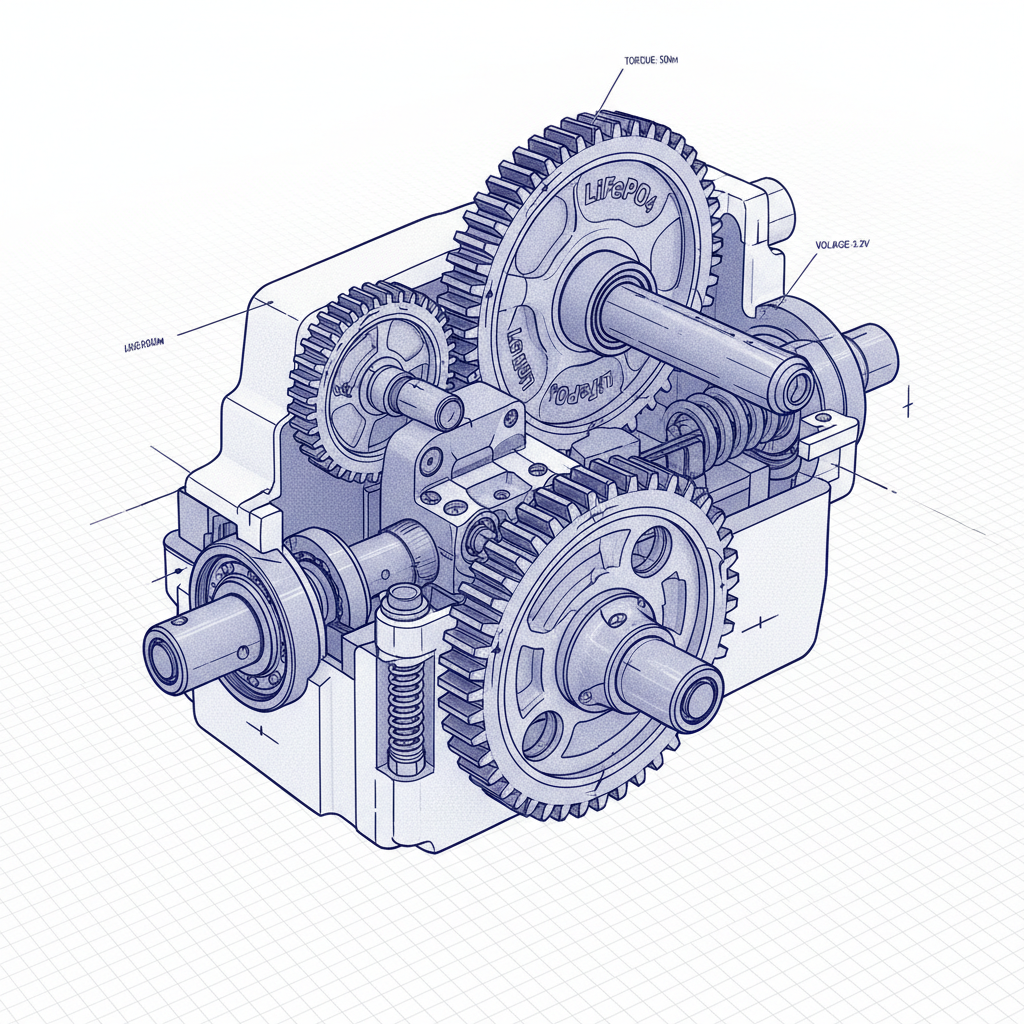
A typical distributed energy storage system comprises several core components. These include the energy storage medium (typically batteries, but can also be flow batteries or other technologies), a power conversion system (PCS) to convert DC power to AC power and vice versa, a battery management system (BMS) to monitor and control battery performance, and a communication system for grid integration and remote monitoring. Safety features like fire suppression systems are also crucial.
Distributed energy storage significantly enhances grid resilience by providing backup power during outages, mitigating the impact of grid disturbances, and improving power quality. By storing energy locally, DES can island portions of the grid, allowing them to operate independently during emergencies. This decentralized approach reduces the vulnerability of the entire grid to cascading failures and improves the reliability of power supply for critical facilities.
Lithium-ion batteries are currently the most prevalent technology in distributed energy storage due to their high energy density, relatively long lifespan, and declining costs. However, other technologies such as flow batteries, lead-acid batteries, and sodium-ion batteries are also gaining traction. Flow batteries offer advantages in terms of scalability and safety, while sodium-ion batteries provide a more sustainable alternative to lithium-ion.
Software plays a critical role in optimizing the performance of distributed energy storage systems. Advanced software algorithms are used for energy forecasting, load management, grid integration, and virtual power plant (VPP) control. These algorithms enable DES systems to respond dynamically to changing grid conditions, maximize energy savings, and provide valuable ancillary services. Real-time data analytics and machine learning are also being utilized to improve system efficiency and predict future performance.
Government incentives, such as tax credits, rebates, and grants, can significantly accelerate the adoption of distributed energy storage. These incentives reduce the upfront cost of DES systems, making them more affordable for consumers and businesses. Supportive policies, such as net metering and feed-in tariffs, also create a favorable market environment for DES by allowing owners to sell excess energy back to the grid.
While distributed energy storage offers significant environmental benefits by enabling the integration of renewable energy sources, it also raises some environmental concerns related to battery manufacturing, materials sourcing, and end-of-life disposal. Sustainable material sourcing, responsible battery recycling programs, and the development of environmentally friendly battery chemistries are crucial for minimizing the environmental footprint of DES.
Conclusion
Distributed energy storage is no longer a futuristic concept, but a rapidly maturing technology that is transforming the way we generate, distribute, and consume energy. From enhancing grid resilience and enabling the integration of renewable energy sources to empowering consumers and driving economic growth, the benefits of DES are undeniable. As battery technology continues to advance and costs decline, we can expect to see even wider adoption of DES in the years to come.
To fully unlock the potential of distributed energy storage, continued innovation, supportive policies, and collaborative efforts are essential. By embracing this technology, we can build a more sustainable, reliable, and equitable energy future for all. To learn more about our comprehensive distributed energy storage solutions, visit our website today.