In the rapidly evolving landscape of renewable energy, dc coupling has emerged as a pivotal architectural choice for optimizing the synergy between solar photovoltaic (PV) arrays and battery energy storage systems (BESS). By allowing the energy source and the storage medium to communicate in their native direct current form, this approach eliminates redundant conversion stages, thereby maximizing the overall harvest of clean energy.
The global shift toward decarbonization, supported by mandates from the International Energy Agency (IEA) and various ISO standards, has placed immense pressure on C&I energy storage systems to operate with unprecedented efficiency. As industries strive to lower their Levelized Cost of Energy (LCOE), the technical nuances of how power is routed—specifically through dc coupling—become the deciding factor in project viability and long-term ROI.
Understanding the strategic implementation of this technology is no longer just for electrical engineers; it is a commercial necessity for plant managers and investors. From reducing heat loss to simplifying the physical footprint of container-type energy storage systems, the transition to a DC-centric architecture represents a leap forward in how we stabilize grids and power remote industrial zones.
Global Relevance of DC Coupling Architecture
Across the globe, the urgency to integrate intermittent renewables into stable grids has made dc coupling a cornerstone of modern electrical design. In regions like the EU and North America, where grid congestion is a critical failure point, utilizing a DC-coupled approach allows for more precise "peak shaving" and "load shifting" without the efficiency penalties associated with multiple AC-DC conversions.
This architectural shift is not merely a technical preference but a response to the global demand for higher energy density. By integrating storage directly onto the DC bus of a PV system, operators can avoid the 2-3% energy loss typically seen in AC-coupled systems, which, at a utility scale, translates to megawatts of saved power and millions in reduced operational costs.
Defining DC Coupling in Modern Energy Systems
In the simplest terms, dc coupling refers to a system configuration where the energy storage system (ESS) is connected to the solar array before the power reaches the inverter. Instead of having two separate inverters—one for the solar panels and one for the batteries—a DC-coupled system uses a single shared inverter to convert the combined DC power into AC for the grid or local load.
This configuration is intrinsically linked to the needs of modern industrialization. As factories transition to "smart" microgrids, the ability to move energy with minimal friction becomes paramount. DC coupling simplifies the energy flow, making it an ideal choice for C&I energy storage systems where space is limited and efficiency is the primary KPI.
Beyond the hardware, this approach represents a shift toward "Native Energy Management." By keeping the power in DC form as long as possible, the system can more effectively manage the charging cycles of lithium-ion batteries, extending their lifespan and reducing the thermal stress on the overall system.
Core Components Driving DC Coupling Efficiency
The effectiveness of dc coupling relies heavily on the quality of the DC-DC converter. This component acts as the traffic controller, regulating the voltage between the PV strings and the battery bank, ensuring that the batteries are charged at the optimal rate regardless of the fluctuating solar intensity.
Furthermore, the integration of a sophisticated Energy Management System (EMS) is non-negotiable for dc coupling. The EMS must orchestrate the power flow in real-time, deciding whether to prioritize immediate load consumption, battery charging, or grid exportation based on electricity pricing and weather forecasts.
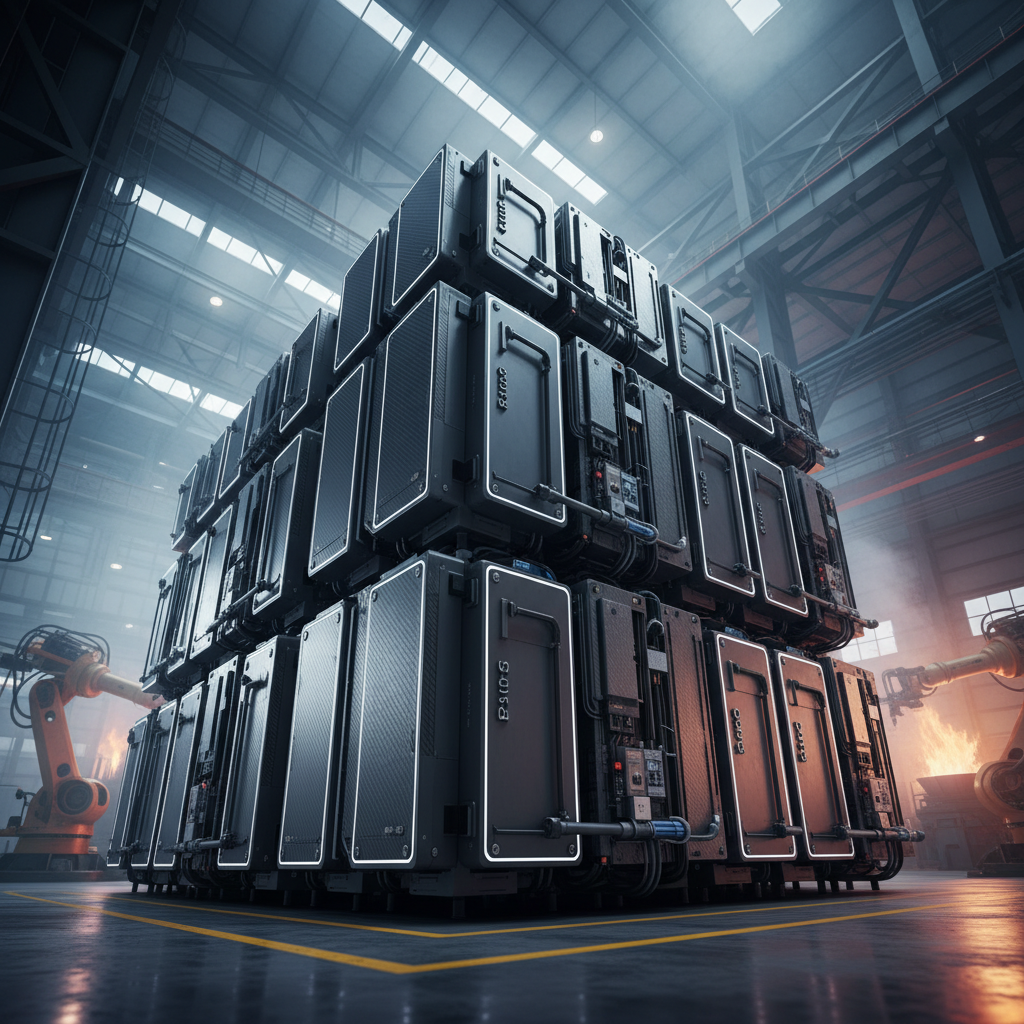
Lastly, the physical housing—such as the Container type energy storage system—plays a role in the system's durability. Proper temperature control cabinets ensure that the power electronics associated with the DC bus operate within their ideal thermal windows, preventing efficiency drops caused by overheating.
Technical Performance Factors of DC Coupling
When analyzing the performance of dc coupling, engineers focus on the "Round Trip Efficiency" (RTE). Because there are fewer conversion stages (DC-AC-DC is replaced by a simple DC-DC), the energy loss is significantly reduced, which is critical for high-capacity lithium-ion installations.
Another key factor is the scalability of the DC bus. Modern intelligent integrated power supply systems allow for the modular addition of battery strings without requiring a complete redesign of the AC infrastructure, making the system highly adaptable to growing industrial needs.
Efficiency Comparison: DC Coupling vs. Alternatives
Real-World Applications of DC Coupling Solutions
In remote industrial zones, such as mining sites or offshore platforms, dc coupling is often the only viable solution. In these environments, the cost of transporting and installing heavy AC infrastructure is prohibitive. By utilizing a DC-coupled micro-module computer room, operators can create a self-sustaining energy island that powers critical equipment with minimal loss.
Moreover, in the realm of C&I energy storage, large-scale logistics centers are increasingly adopting DC-coupled container systems to manage the high-power demands of automated sorting robotics. The ability to store solar energy and deploy it instantly in DC form reduces the stress on the facility's main transformer and lowers the overall electricity bill.
Long-Term Value and Sustainability Gains
The long-term value of investing in dc coupling extends beyond mere kilowatt-hours. By reducing the number of power electronic components (specifically inverters), the overall system reliability increases. Fewer components mean fewer points of failure, which significantly lowers the maintenance overhead for facility managers.
From a sustainability perspective, the reduction in energy waste directly correlates to a lower carbon footprint. When an industrial plant improves its energy efficiency by even 3%, the cumulative reduction in CO2 emissions over a decade is substantial, aligning the company with ESG (Environmental, Social, and Governance) goals and international climate accords.
Ultimately, this technology fosters a sense of trust and innovation. When a business can guarantee 99.9% uptime through an optimized DC-coupled BESS, it gains a competitive edge in reliability, ensuring that production lines never stop even during grid instabilities or peak demand outages.
Future Innovations in DC Coupling Technology
The future of dc coupling is being shaped by the advent of Wide Bandgap (WBG) semiconductors, such as Silicon Carbide (SiC) and Gallium Nitride (GaN). These materials allow DC-DC converters to operate at higher frequencies and temperatures with almost negligible losses, further pushing the boundaries of energy density.
We are also seeing a trend toward "Software-Defined Power." Future energy management systems will use AI to predict load patterns and adjust the dc coupling parameters in real-time, optimizing the battery chemistry's health while maximizing the throughput of the PV array.
As we move toward a fully digitized energy economy, the integration of DC coupling with blockchain-based energy trading will allow industrial sites to sell excess DC power directly to neighboring facilities, creating a peer-to-peer energy network that bypasses the traditional utility grid entirely.
Technical Analysis of DC Coupling Implementation Strategies
| Configuration Type |
Efficiency Score (1-10) |
Installation Complexity |
Primary Use Case |
| Pure DC Coupling |
9.8 |
Medium |
New Solar+Storage Plants |
| Hybrid DC Coupling |
8.5 |
High |
Brownfield Retrofits |
| AC-Coupled Base |
7.2 |
Low |
Small Residential Systems |
| Microgrid DC-Bus |
9.2 |
High |
Off-grid Industrial Zones |
| Integrated DC-Module |
9.0 |
Low |
Modular Data Centers |
| Dual-Port DC Coupling |
8.9 |
Medium |
C&I Peak Shaving |
FAQS
The primary difference lies in where the battery is connected. In DC coupling, the battery connects to the solar array via a DC-DC converter before the inverter. In AC coupling, the battery has its own inverter and connects to the system after the solar power has already been converted to AC. DC coupling is generally more efficient for new installations because it eliminates one stage of power conversion.
Initially, the hardware for a DC-coupled system can be more specialized, but it often reduces overall costs by requiring only one large, high-efficiency inverter instead of two separate ones. Furthermore, the long-term energy savings from reduced conversion losses usually lead to a faster payback period and lower TCO (Total Cost of Ownership).
Yes, but it usually requires a "retrofit" approach. This may involve installing a DC-coupled battery system with its own DC-DC charger that connects to the existing PV strings. While more complex than adding an AC-coupled battery, it is often worth it for industrial sites looking to maximize their energy autonomy.
DC coupling can potentially extend battery life by allowing for more precise control of the charging voltage and current via the DC-DC converter. This prevents the batteries from being subjected to the "voltage spikes" sometimes associated with AC-coupled inverter switching, leading to more stable cycling and reduced chemical degradation.
Industries with high energy intensity and large roof spaces—such as cold-chain logistics, automotive manufacturing, and data centers—benefit most. These sectors typically utilize C&I energy storage systems where every percentage point of efficiency translates to significant operational savings.
Absolutely. When implemented with high-quality intelligent integrated power supply systems and proper temperature control cabinets, DC coupling is extremely safe. Modern systems include rapid shutdown capabilities and advanced arc-fault detection to ensure that high-voltage DC buses operate securely under all conditions.
Conclusion
In summary, dc coupling represents a superior architectural paradigm for the integration of solar energy and battery storage. By minimizing conversion losses, reducing component redundancy, and enhancing the precision of energy management, it provides a technically robust and economically viable path toward energy independence for the industrial sector.
As we look toward a future defined by smart grids and carbon neutrality, the adoption of DC-centric power systems will likely become the industry standard. For businesses seeking to optimize their C&I energy storage systems, prioritizing DC-coupled architectures is a strategic move that ensures long-term scalability, reliability, and environmental stewardship. Visit our website for more professional solutions: www.acdcbess.com