The global transition toward sustainable power has placed solar energy at the forefront of the industrial revolution. As nations strive to meet net-zero emissions targets, the integration of photovoltaic systems with advanced energy storage has evolved from a luxury to a strategic necessity for commercial and industrial sectors.
Understanding the synergy between sunlight harvesting and energy management is critical for businesses looking to reduce operational costs and carbon footprints. The scalability of modern lithium-ion battery technology ensures that solar energy is no longer just a supplementary power source but a primary driver of energy independence.
By leveraging intelligent power supply systems and containerized storage, organizations can now mitigate the intermittency of renewable sources. This shift not only protects the environment but also provides a robust hedge against volatile grid electricity prices and unstable power infrastructures.
Global Context of Solar Energy Adoption
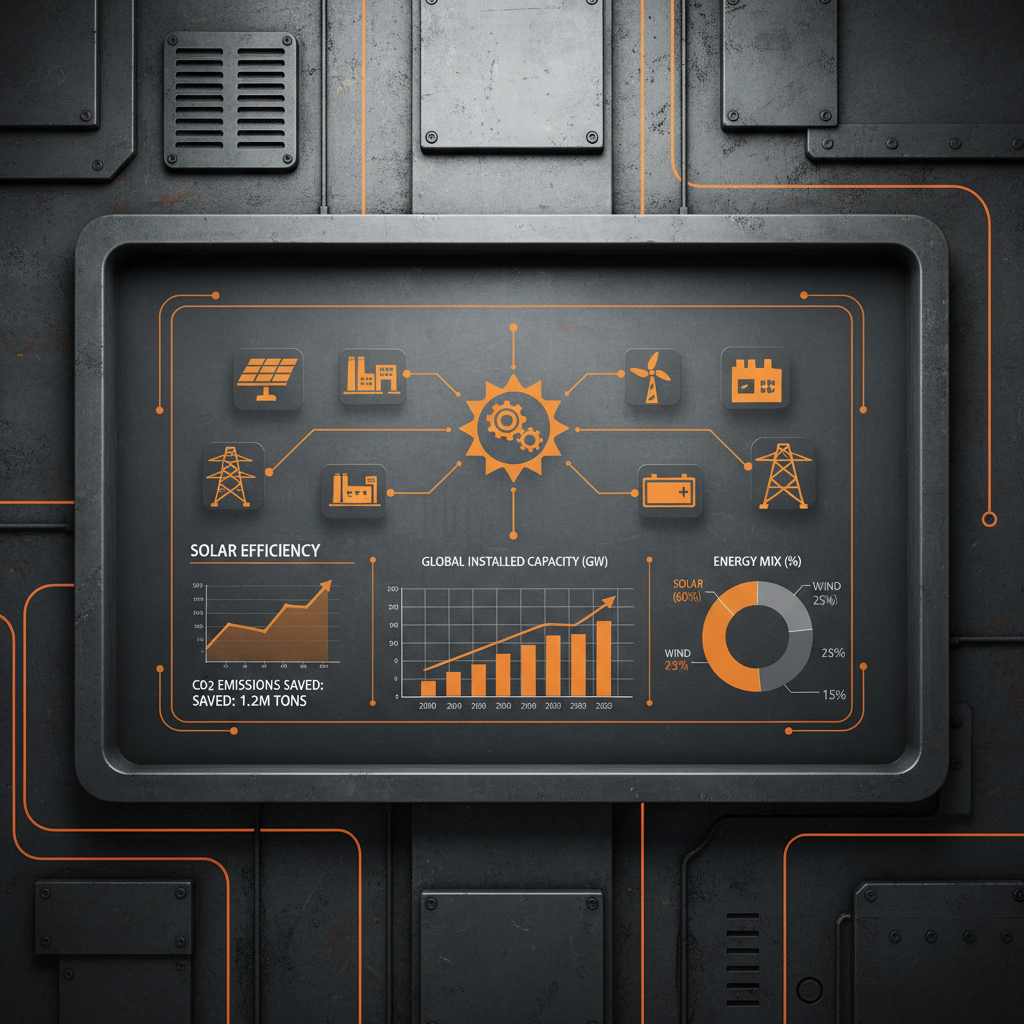
The global energy landscape is undergoing a seismic shift as reported by the International Energy Agency (IEA), with solar power capacity expanding at an unprecedented rate. The urgency is driven by the climate crisis and the need to decarbonize heavy industry, leading to a surge in the deployment of C&I energy storage systems to stabilize the grid.
However, the primary challenge remains the "duck curve" phenomenon—where peak solar production occurs during low demand. To solve this, the industry is pivoting toward integrated energy management systems that allow businesses to store excess solar energy and deploy it during peak tariff hours.
Defining Solar Energy in Modern Industry
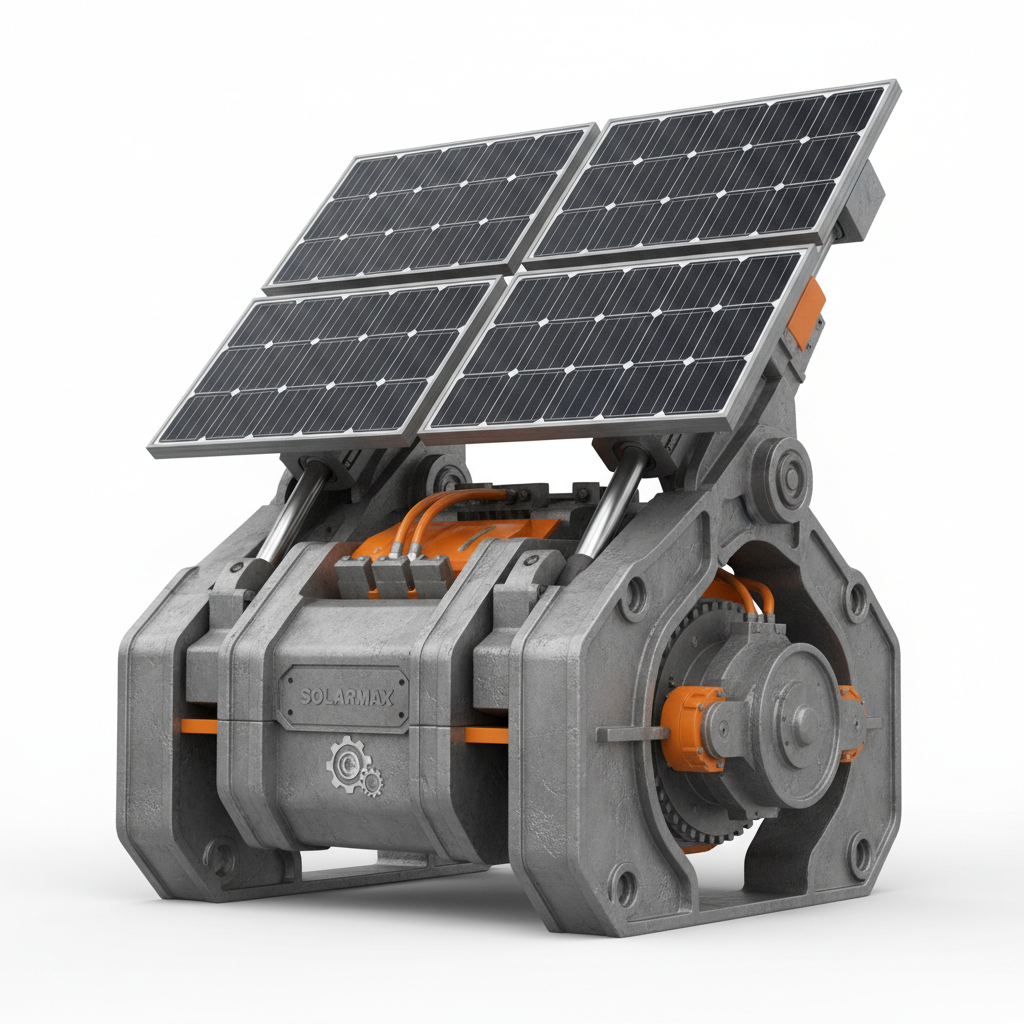
In its simplest form, solar energy is the conversion of sunlight into electricity using photovoltaic (PV) cells or concentrated solar power. In a commercial context, it represents more than just panels on a roof; it is a sophisticated ecosystem involving power electronics, energy storage, and smart distribution.
For the manufacturing sector, particularly in battery production, this energy source is the bedrock of "green factories." By integrating solar energy with intelligent integrated power supply systems, manufacturers can ensure that the very batteries they produce are charged using clean, carbon-neutral power.
This definition has expanded to include "energy autonomy," where a facility can operate independently of the national grid. This humanitarian and economic shift is vital for remote industrial zones where traditional power infrastructure is unreliable or non-existent.
Core Components for Solar Energy Efficiency
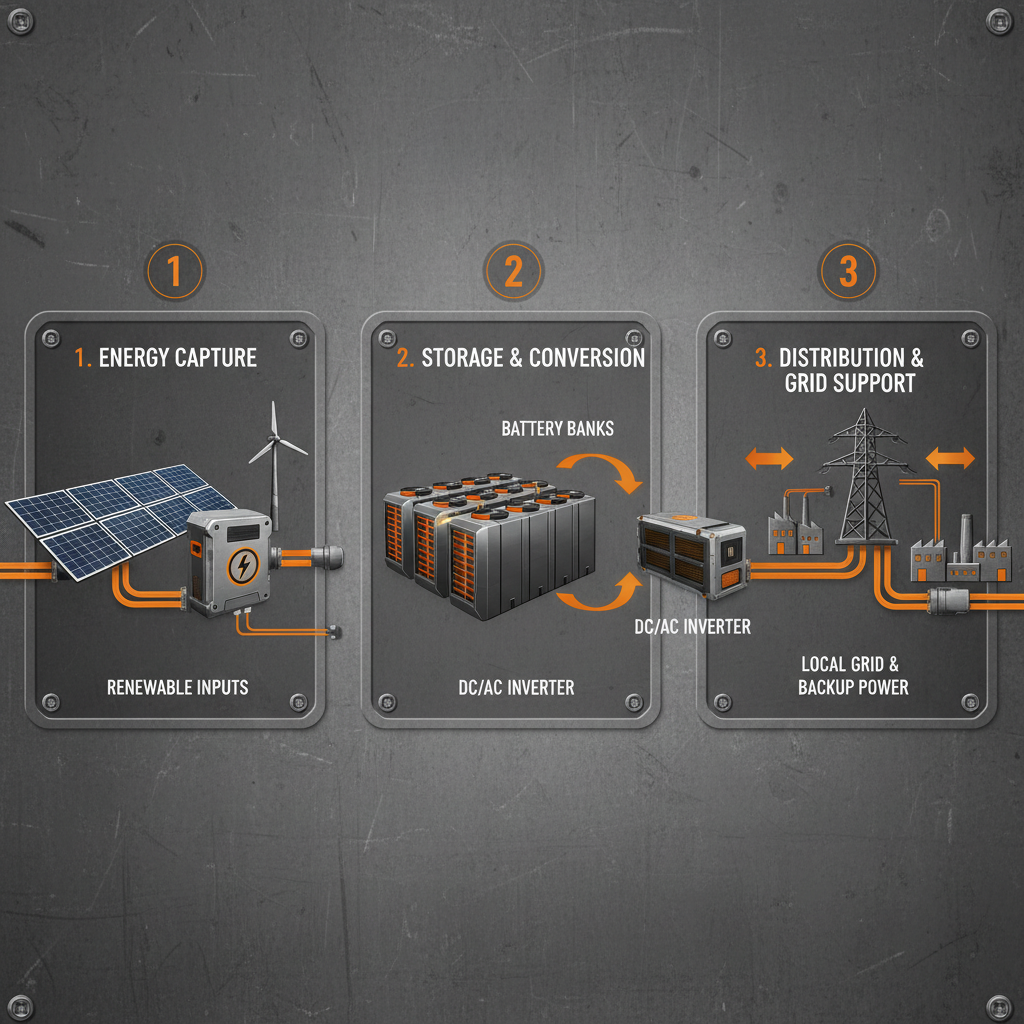
To maximize the utility of solar energy, several technical pillars must be in place. First is the efficiency of the PV modules themselves, which determine how much sunlight is converted into usable DC current.
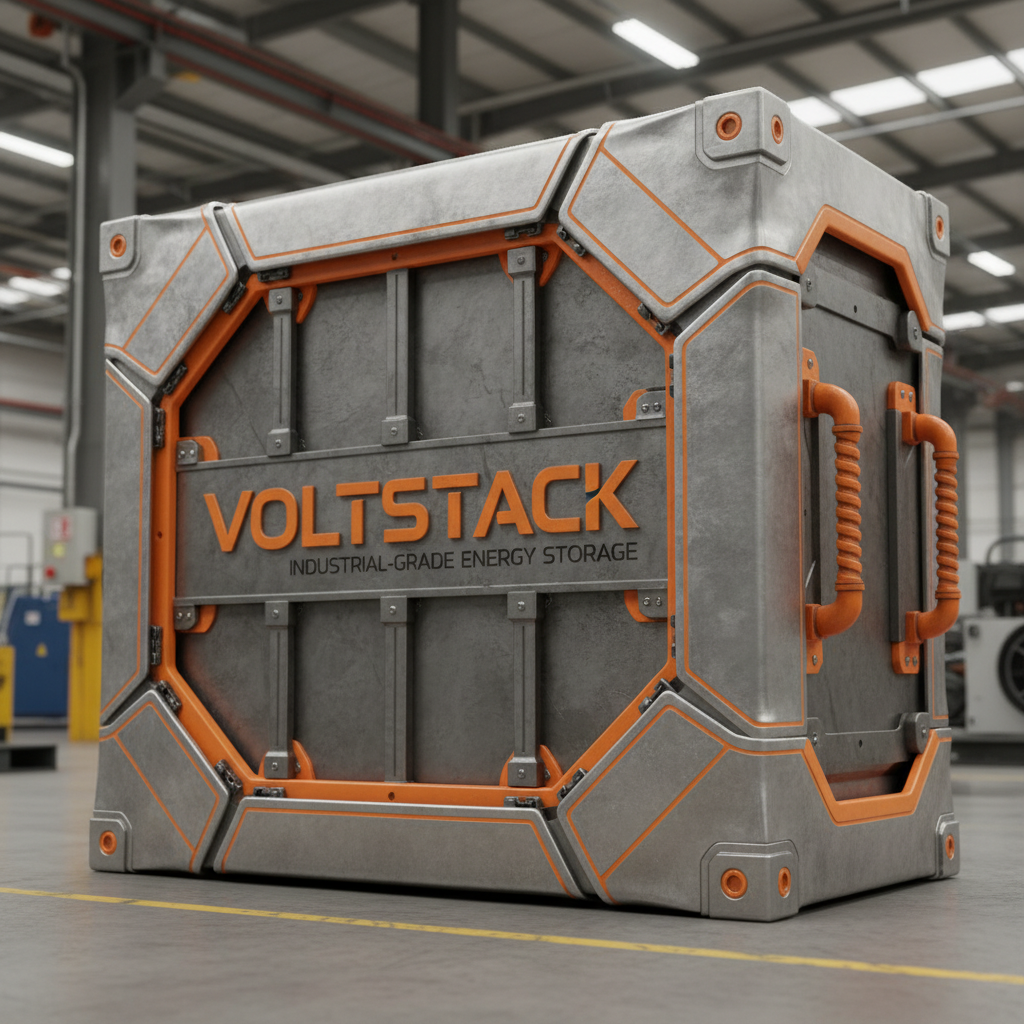
The second pillar is the Battery Energy Storage System (BESS). Without high-capacity lithium-ion storage, solar energy is wasted during peak production hours. Container-type energy storage systems provide the necessary density and safety to manage gigawatt-hours of power for large-scale industrial sites.
Finally, the Energy Management System (EMS) acts as the brain of the operation. It optimizes the flow of solar energy, deciding in real-time whether to power the facility, charge the batteries, or sell excess power back to the grid.
Scalability and Performance Metrics
Scalability is a defining characteristic of modern solar energy installations. From micro-module computer rooms requiring small-scale backup to massive containerized arrays for factories, the modularity of lithium-ion systems allows for "pay-as-you-grow" expansion.
Measuring performance requires looking beyond simple wattage. Key Performance Indicators (KPIs) now include Round-Trip Efficiency (RTE), depth of discharge (DoD), and the levelized cost of energy (LCOE), all of which determine the financial viability of a solar energy project.
Efficiency Comparison of Solar Energy Integration Methods
Global Applications of Solar Energy Systems
In real-world contexts, solar energy is revolutionizing remote industrial zones. For example, in mining operations in Australia or lithium extraction sites in South America, container-type energy storage systems combined with solar arrays replace expensive and polluting diesel generators.
Furthermore, in urban C&I environments, integrated power supply systems allow data centers to use solar energy for peak shaving. This reduces the load on the municipal grid and ensures that critical micro-module computer rooms remain online during grid failures.
Long-Term Value and Sustainability
The tangible benefits of investing in solar energy extend far beyond the initial electricity bill. From a logical perspective, the reduction in LCOE over a 25-year lifecycle makes it the most cost-effective energy choice for the modern enterprise.
Emotionally, the shift toward renewables fosters trust with stakeholders and consumers who increasingly demand ethical supply chains. A company powered by solar energy demonstrates a commitment to innovation and the dignity of future generations.
Moreover, the reliability gained from having on-site storage eliminates the fear of "black swan" grid events. This operational security provides a competitive edge, ensuring that production lines never stop, regardless of external energy market volatility.
Future Innovations in Solar Energy Storage
The future of solar energy lies in the convergence of AI and material science. We are seeing the rise of solid-state batteries that offer higher energy density and improved safety over traditional liquid electrolytes, allowing for smaller, more powerful storage cabinets.
Digital transformation is also playing a key role, with "Virtual Power Plants" (VPPs) allowing multiple commercial solar energy sites to pool their stored power and act as a single, massive utility for the city grid.
As policies tighten around carbon credits, the automation of energy trading—where an EMS automatically sells stored solar energy when prices peak—will become a standard revenue stream for industrial facilities.
Comparative Analysis of Solar Energy Storage Technologies
| Technology Type |
Energy Density |
Cycle Life |
Environmental Impact |
| LFP (Lithium Iron Phosphate) |
Medium-High |
6000+ Cycles |
Low Toxicity |
| NMC (Nickel Manganese Cobalt) |
Very High |
2000-3000 Cycles |
Moderate |
| Solid-State Batteries |
Extreme |
10000+ (Est) |
Very Low |
| Flow Batteries |
Low |
Unlimited |
Eco-Friendly |
| Lead-Acid (Legacy) |
Very Low |
500-1000 Cycles |
High Pollution |
| Sodium-Ion |
Medium |
3000-5000 Cycles |
Minimal |
FAQS
A C&I system solves the problem of intermittency. It captures excess solar energy produced during the day and stores it in lithium-ion batteries, allowing businesses to use that power during the night or during peak demand periods, significantly reducing electricity costs and grid dependency.
Yes, for industrial scales, containerized systems are ideal because they are pre-assembled, plug-and-play, and include integrated temperature control cabinets. This ensures the batteries operate at optimal temperatures, extending their lifespan and increasing safety in harsh outdoor environments.
Absolutely. By using an intelligent integrated power supply system, solar energy can be buffered through batteries to provide a seamless, uninterruptible power supply (UPS) to sensitive equipment, ensuring 24/7 uptime without relying solely on the grid.
Most modern LFP-based storage systems are designed for 10-15 years of operation, typically supporting 6,000+ charge-discharge cycles. With proper energy management and temperature control, the usable life of the system can be maximized to lower the total cost of ownership.
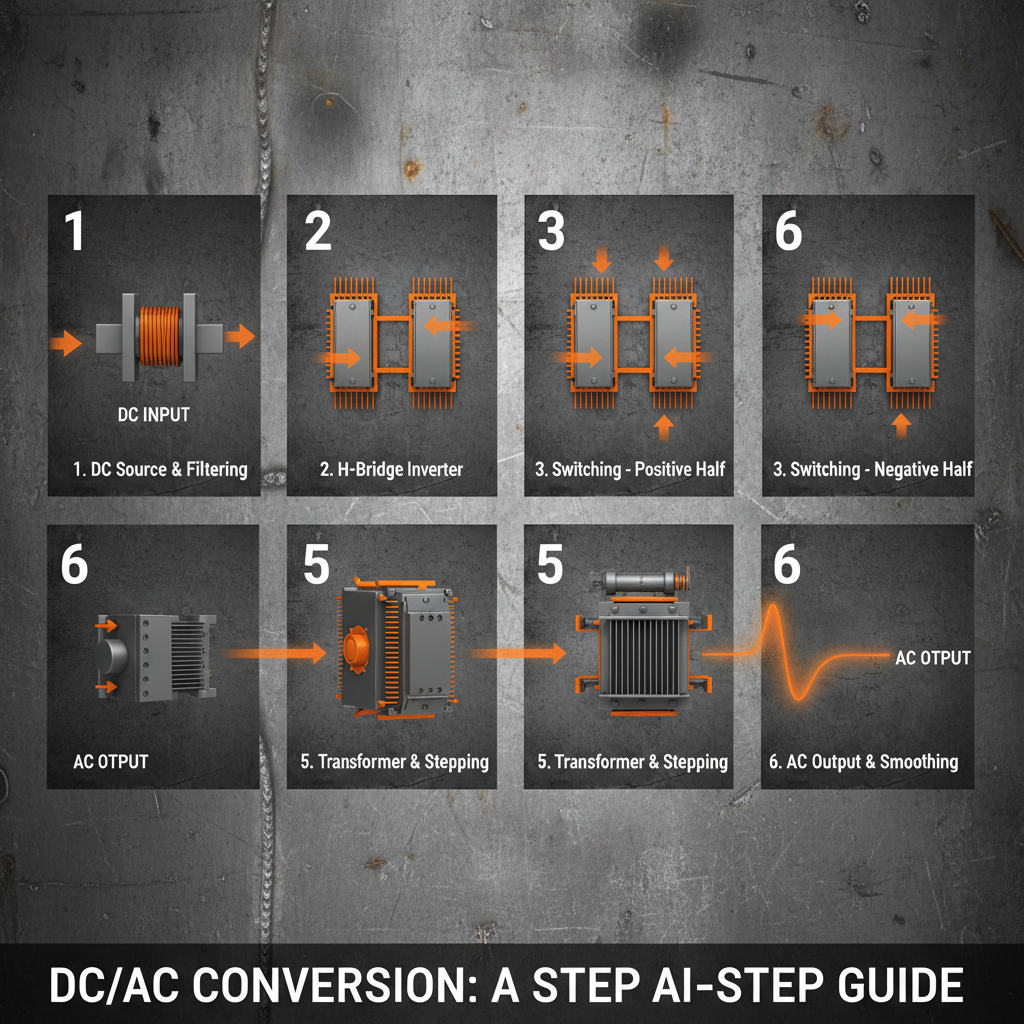
An EMS is integrated via software and power converters. It monitors the output of your solar energy array and the state of charge of your batteries, using algorithms to automatically switch between power sources to optimize cost and efficiency based on your specific load profile.
Yes, due to the falling cost of lithium-ion batteries and the rise of modular micro-module systems. Even small factories can see a return on investment (ROI) within 3-7 years through reduced peak demand charges and potential government subsidies for green energy adoption.
Conclusion
The integration of solar energy with advanced storage and management systems represents the most viable path toward industrial sustainability. By combining the raw power of the sun with the precision of lithium-ion technology and intelligent EMS, businesses can achieve an unprecedented level of energy security and cost efficiency.
Looking ahead, the evolution of solid-state storage and AI-driven energy trading will further democratize access to clean power. We encourage industrial leaders to transition from passive consumption to active energy management to ensure long-term resilience in a rapidly changing global economy. Visit our website: www.acdcbess.com