The global transition toward sustainable energy has placed the modern battery at the center of industrial evolution. No longer just a component for small electronics, advanced energy storage is now the backbone of the green revolution, enabling the stabilization of power grids and the decarbonization of heavy industry.
Understanding the nuances of battery technology is critical for businesses aiming to reduce operational costs and carbon footprints. From C&I energy storage systems to intelligent integrated power supplies, the ability to store energy efficiently determines the viability of renewable sources like solar and wind.
As we move toward a more electrified future, the integration of high-density lithium-ion solutions ensures that power is available exactly when and where it is needed. This guide explores the technical dimensions, applications, and future trajectory of energy storage to help you make informed infrastructure decisions.
Global Relevance of Battery Technology
The demand for high-capacity battery solutions has surged as nations strive to meet the Paris Agreement goals. According to International Energy Agency (IEA) projections, the global energy storage market must expand exponentially to support the integration of variable renewable energy, shifting the paradigm from centralized power plants to distributed energy resources.
However, the industry faces the challenge of "intermittency"—the fact that the sun doesn't always shine and the wind doesn't always blow. This is where industrial-scale storage becomes indispensable, acting as a buffer that ensures grid reliability and prevents catastrophic blackouts during peak demand periods.
Defining Modern Energy Storage Systems
In simple terms, a commercial-grade battery is an electrochemical device that converts chemical energy into electrical energy. While the basic principle remains the same as a household cell, industrial systems utilize complex arrays of lithium-ion cells integrated with advanced Battery Management Systems (BMS) to handle massive loads safely.
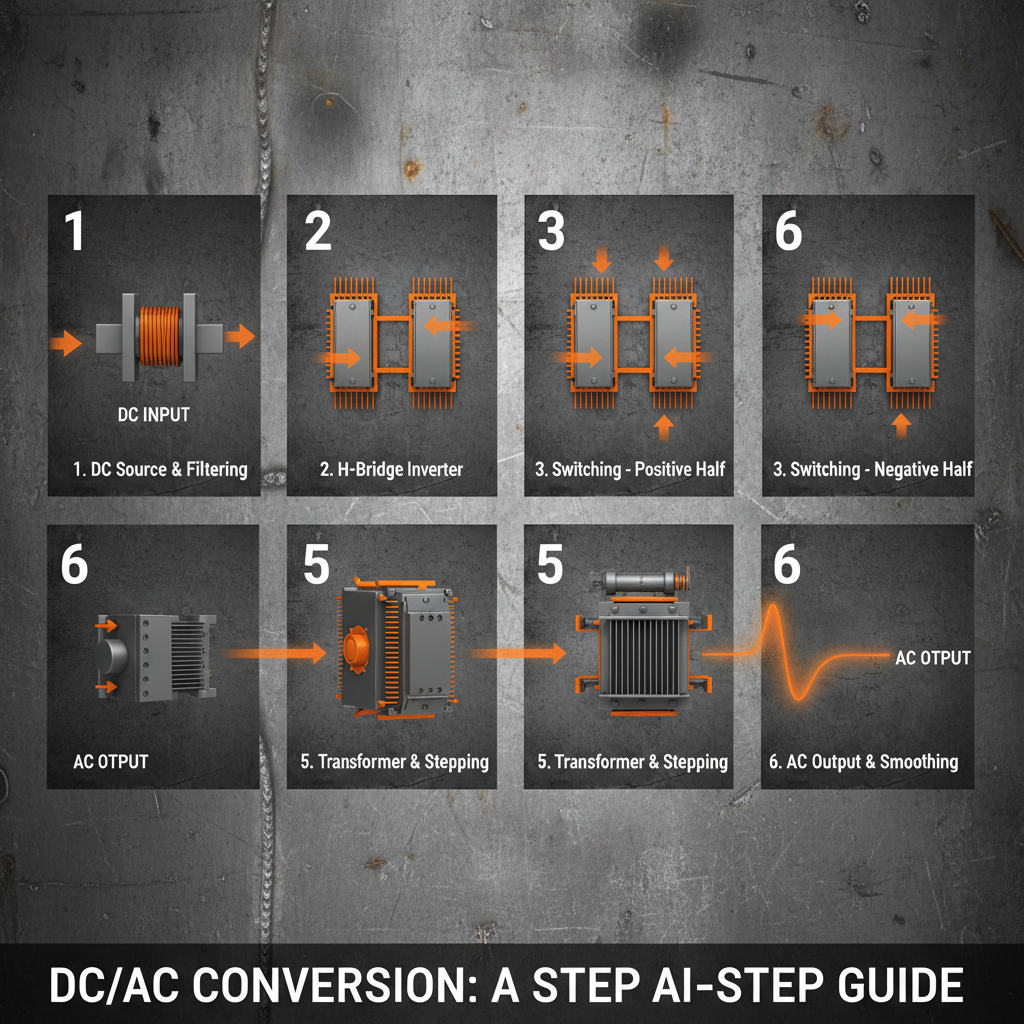
These systems are the heartbeat of modern infrastructure, connecting the generation of power with its consumption. For instance, in a Container type energy storage system, the "battery" isn't just the cell itself, but a sophisticated ecosystem involving thermal management, power conversion systems (PCS), and structural protection.
Beyond mere storage, these systems address critical humanitarian and industrial needs, such as providing emergency power to hospitals in remote areas or stabilizing voltage for high-precision manufacturing plants, thereby ensuring that essential services never falter.
Core Components of Battery Performance
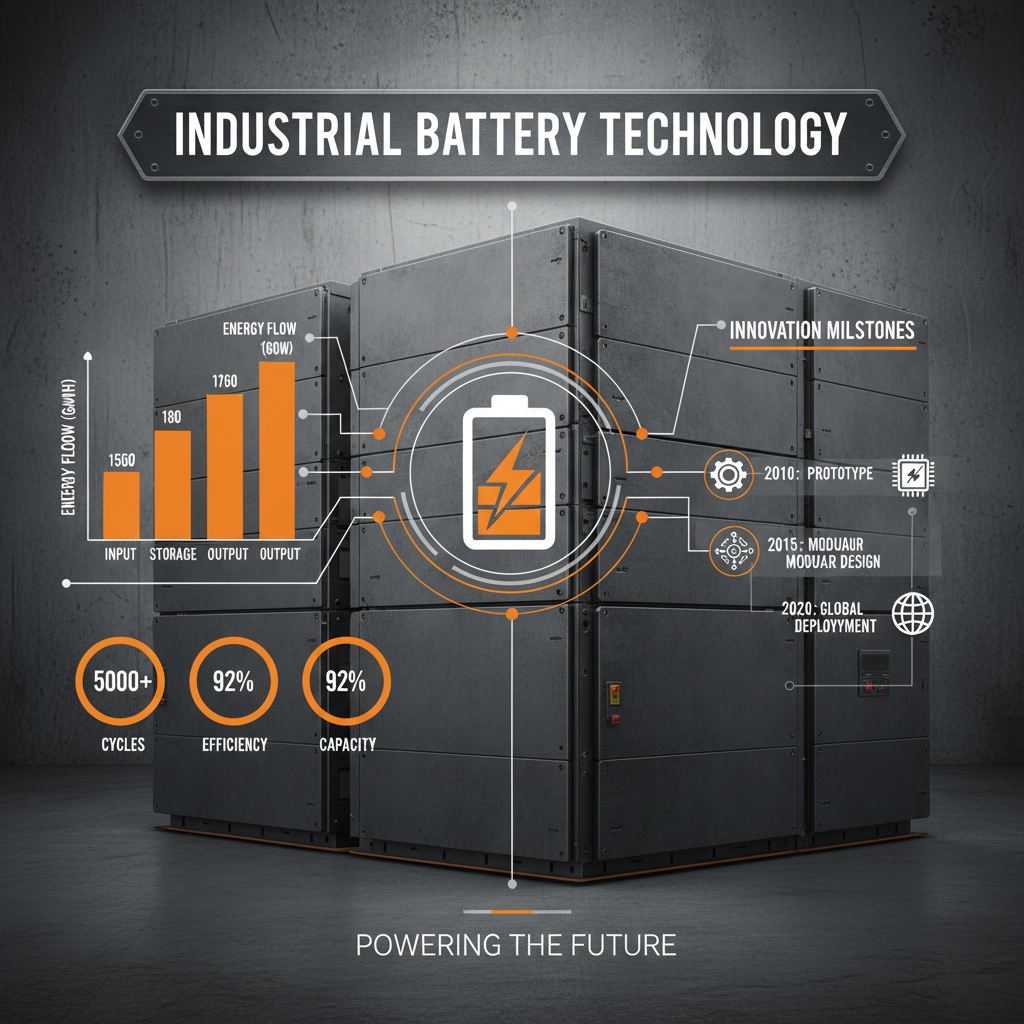
Energy density is the primary metric for any battery, determining how much power can be stored per unit of volume. This is particularly crucial for Micro module computer rooms where space is at a premium and high efficiency is mandatory.
Cycle life refers to the number of charge and discharge cycles a battery can undergo before its capacity drops below a certain percentage. For C&I energy storage, extending this life through intelligent charging algorithms is key to maximizing the return on investment (ROI).
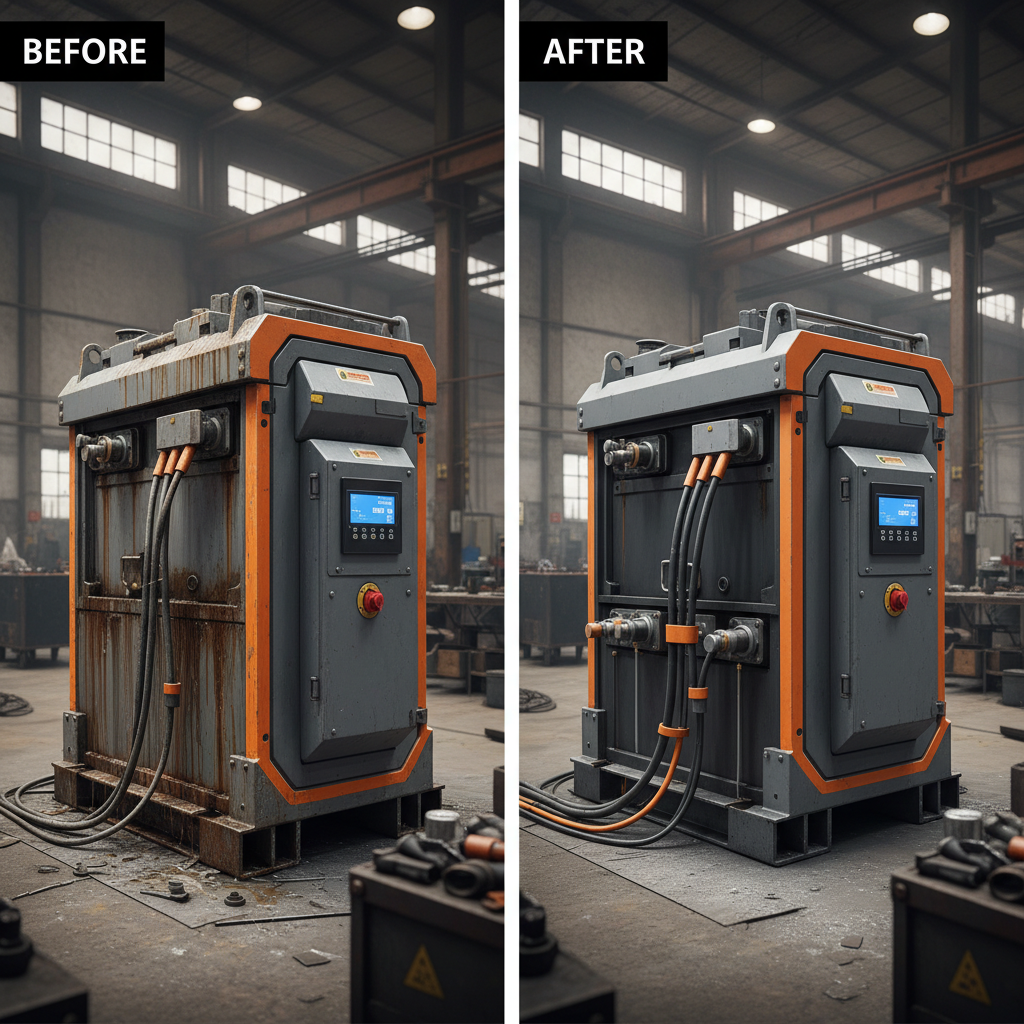
Thermal stability is the unsung hero of safety. Utilizing advanced temperature control cabinets prevents thermal runaway, ensuring that the battery operates within its optimal window regardless of the external environment.
Key Factors for Industrial Scalability
Scalability in battery deployment involves the transition from single modules to massive containerized arrays. The goal is to create a modular architecture where additional capacity can be added without redesigning the entire Energy Management System (EMS).
Cost efficiency is achieved through the optimization of the "Levelized Cost of Storage" (LCOS). By improving the chemistry of the battery and automating the installation process via intelligent integrated power supply systems, operators can lower the cost per kWh significantly.
Comparative Performance of Battery Storage Methods
Global Applications and Industrial Use Cases
In the realm of commercial and industrial (C&I) sectors, the battery is used for "peak shaving"—storing energy when prices are low and discharging it when the grid is expensive. This drastically reduces electricity bills for factories and shopping malls across Europe and North America.
In remote industrial zones, such as mining sites in Australia or oil rigs in the North Sea, container-type systems provide a stable microgrid. These battery setups allow operators to transition away from diesel generators, enhancing both environmental safety and operational reliability.
Long-term Value and Sustainability Advantages
The long-term value of investing in high-quality battery infrastructure extends beyond immediate cost savings. By stabilizing the power supply, companies reduce the wear and tear on their machinery, leading to lower maintenance costs and increased equipment lifespan.
From a sustainability perspective, the shift toward lithium-iron-phosphate (LFP) chemistries has reduced the reliance on controversial materials like cobalt. This ethical sourcing, combined with emerging recycling programs, ensures that the battery lifecycle aligns with circular economy principles.
Ultimately, this creates a foundation of trust with stakeholders and consumers. Companies that deploy green energy storage demonstrate a commitment to innovation and corporate social responsibility, turning a technical necessity into a powerful brand asset.
Future Trends in Battery Innovation
The next frontier for the battery industry is the commercialization of solid-state electrolytes. This technology promises to double the energy density while virtually eliminating the risk of fire, revolutionizing the safety profile of containerized energy storage.
Digital transformation is also playing a pivotal role. The integration of AI into the Energy Management System allows the battery to predict demand spikes using weather data and historical usage, optimizing charge cycles automatically to maximize efficiency.
Furthermore, we are seeing a move toward "Battery-as-a-Service" (BaaS) models, where companies lease storage capacity rather than owning the hardware. This lowers the barrier to entry for small businesses and accelerates the global adoption of battery technology.
Analysis of Emerging Battery Technology Trends
| Technology Type |
Safety Level |
Energy Density |
Market Readiness |
| LFP (Lithium Iron Phosphate) |
High |
Medium |
Mature |
| NMC (Nickel Manganese Cobalt) |
Medium |
High |
Mature |
| Solid-State Battery |
Very High |
Very High |
Developing |
| Sodium-Ion Battery |
High |
Low-Medium |
Early Stage |
| Vanadium Flow Battery |
Very High |
Low |
Specialized |
| Graphene-Enhanced |
Medium |
High |
Experimental |
FAQS
LFP (Lithium Iron Phosphate) batteries are generally preferred for C&I energy storage because they offer superior thermal stability and a significantly longer cycle life. While NMC batteries have higher energy density, LFP's safety profile and durability make them more cost-effective for stationary applications where size is less critical than longevity.
The BMS acts as the brain of the battery system. It monitors the voltage, current, and temperature of each individual cell in real-time. By balancing the charge and preventing overcharging or deep discharging, the BMS mitigates the risk of thermal runaway and ensures the system operates within safe engineering limits.
Yes, provided they are equipped with professional temperature control cabinets. These systems use liquid cooling or HVAC air conditioning to maintain an optimal internal temperature. This prevents the battery from degrading in extreme heat or losing capacity in freezing conditions, ensuring year-round reliability.
Peak shaving is the process of using a battery to power a facility during periods of maximum electricity demand. Since utility companies often charge higher rates during "peak" hours, using stored energy instead of grid power during these times drastically reduces operational expenses.
Depending on the chemistry and usage patterns, a professional-grade industrial battery system typically lasts between 10 to 20 years. With a high-quality BMS and proper thermal management, many systems can maintain over 80% of their original capacity for several thousand cycles.
Absolutely. In fact, that is their primary use case. By adding a battery to a solar installation, you can store excess energy generated during the day and use it at night, effectively transforming a volatile energy source into a reliable, 24/7 power supply.
Conclusion
The evolution of battery technology has transformed energy from a commodity that must be used instantly into a strategic asset that can be managed and optimized. By integrating high-density storage with intelligent management systems, industries can achieve unprecedented levels of energy independence, operational reliability, and environmental sustainability.
Looking forward, the synergy between advanced materials and AI-driven energy management will only deepen. For businesses and grid operators, the transition to smart storage is no longer optional but a prerequisite for competitiveness in a decarbonized economy. We invite you to explore our full range of energy solutions to future-proof your infrastructure. Visit our website: www.acdcbess.com